
for students; especially parents of students.
Based on the agreement on the policy, content, and form of organizing creative experiential activities according to educational themes, the Principal or Vice Principal in charge of professional matters shall plan creative experiential activities according to educational themes. To plan creative experiential activities according to educational themes, the Principal shall carry out the following:
- The principal carries out decentralization in developing plans to organize creative experiential activities according to educational themes at the following levels: School, Block, and Class levels. Each type of plan above has an activity plan by year, by semester, and by month.
- The principal directs to ensure consistency between types of plans to avoid overlap. Class plans must be included in the school's general plan and class plans must be specific to the school's plan.
Requirements for each type of plan must clearly define the following contents:
Maybe you are interested!
-
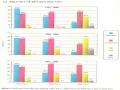
 Evaluation of Measures for Managing Organization and Coordination of Educational Forces Inside and Outside the School.
 -
 Professional Training for Management Staff and Teachers to Organize Creative Experiential Activities on Educational Themes for Students at Thai Nguyen High School
 -
 Managing life value education for students of Hiep Hoa district secondary school, Bac Giang province through creative experiential activities - 1
 -
 Managing experiential activities of students at Nam Son Secondary School, Bac Ninh City according to the orientation of the new general education program - 2
 -
 Managing teaching capacity building activities for teachers of high schools in Binh Giang district, Hai Duong province to meet the requirements of educational innovation - 16
- The name of the topic that will organize activities for students, the target, basic content, implementation resources and organizing subjects, participating members, results to be achieved, time and place of implementation, and expected changes.
- Manage the content topics of the TNST activities that have been implemented for students and the results achieved are changes in students' awareness, attitudes and behaviors after participating in the activities.
1.4.2. Managing the organization of creative experiential activities according to educational themes in high schools
Each creative experiential activity on an educational theme organized inside or outside the school must create a competitive movement, motivating students, subject teachers, homeroom teachers and Youth Union officials to actively participate in the activities; enthusiastic support both materially and spiritually from the Parents' Association, parents of students, political and social organizations... To do so, according to the content of the topics issued by the Ministry of Education and Training, the Principal needs to:
Managing the organization of creative experiential activities according to educational themes as planned includes the following forms:
Organizing experiential educational activities outside of school: Experiential tour projects at production and business establishments, cultural sites, historical relics of the nation, taking care of historical relics, implementing career-oriented learning projects, etc.
Organize activities on cultural, artistic, physical education and sports topics in school: Competition to learn about traditional national culture, organize ethnic fashion shows, art performances on major holidays, Phu Dong Sports Festival, etc.
Organize various types of clubs for students in school: Green club, blood donation club, volunteer club for the poor, people in especially difficult circumstances, etc.
Manage financial investment levels for activities and participating forces, safety issues for students and staff participating in creative experiential activities organized on educational themes.
Managing the process of organizing activities focuses on input, process, and output factors to ensure the quality of the educational activities that have been established.
However, during the implementation process, there are some creative experiential activity programs with educational themes organized outside the school that need to follow the following steps:
Step 1: Develop a program and plan according to the topics of each session. Choose a venue that is suitable for the proposed goals, content, and duration of activities;
Step 2: Contact the locality or facility to discuss and agree on the plan, content for each group, instructor, accompanying vehicle conditions, etc.;
Step 3: Disseminate and approve the creative experiential activity plan according to the educational theme in the homeroom teachers' meeting and discuss specifically with the Parents' Association of the class and school;
Step 4: The homeroom teacher prepares an activity plan and carries out activities according to the general plan of the whole school from the first period to the last period: Determines the activity objectives, reports on the results of each group in the class, the whole class and the teacher's evaluation after the end of the activity. For creative experiential activities on educational topics through clubs, organizing events, and specialized activities requiring the Principal to
The leader coordinates political and social organizations, successful businessmen, scientists, revolutionary veterans... to create a combined strength in organizing these activities.
1.4.3. Managing conditions and means for organizing creative experiential activities on educational themes in high schools
(1) Improve teachers' capacity in organizing thematic creative activities, including from the capacity to design activities to organizing and evaluating activities, and attracting resources to organize activities. Principals must conduct a survey of teachers' training needs in organizing creative activities to organize appropriate training content.
Implementing training activities for teachers on skills to organize creative experiential activities according to educational themes regularly and periodically. To do so, the school principal must pay attention from the beginning of the year to the soft skills training program for teachers on skills to organize creative experiential activities according to educational themes. The skills that need to be trained for teachers must come from the needs of teachers, from the survey of training needs of teachers, the principal determines the training content, forms, and training methods while promoting the role of self-training to improve the capacity of each teacher in organizing creative experiential activities according to educational themes.
- Organize training through practical exercises such as: Prepare a plan for creative experiential activities on a specific topic, organize practice according to the educational plan with colleagues participating in giving comments and evaluation;
- Organize a competition for excellent teachers in organizing creative experiential activities on educational topics for students;
- Organize assessments, evaluations, and tests according to educational plans, organizational activities, and have timely incentive and reward policies.
(2) Managing finances and facilities to serve the organization of TNST activities according to educational themes:
Content of financial management of facilities: Depending on the scale and type of organization of TNST activities according to educational themes, the investment budget and facilities for the activities are different. However, regardless of the form of organization, the Principal
also need to pay attention to the following management contents:
- Manage revenue and expenditure for activities. Depending on the nature of the activity, revenue can come from the budget, from contributions from parents or from social organizations, but the Principal must manage revenue and expenditure from homeroom teachers and from school finances.
- Manage school facilities to serve activities:
1. Classroom, subject classroom.
2. The learning service block includes a multi-purpose gym, library, Youth Union - Team activity room, traditional room, etc.
3. Administrative block.
4. Playground, practice field.
5. Toilets and drainage system.
6. Parking area: Reasonable arrangement within the school campus, ensuring safety, order and hygiene. There is an information technology infrastructure system connected to the internet to meet management and teaching requirements [7; P.122].
(3) Management of off-campus facilities: The principal directs and coordinates with off-campus units to manage facilities serving thematic educational activities in general schools, in order to preserve assets for units supporting educational activities.
Thus, in order for creative experiential activities based on educational themes to be effective, schools must invest in facilities and technical equipment to serve each activity content. The important issue, in the context of limited funding, requires the Board of Directors to plan investments for each year and the long term; the invested equipment must ensure quality and consistency and during the use process, the skills of use, preservation and maintenance of teachers, staff and students of the whole school must be improved.
1.4.4. Mobilizing resources to organize creative experiential activities on educational topics in high schools
The content of creative experiential activities based on educational themes has been specifically designed by the school, advisory board, and homeroom teachers for each week, month, semester, and school year and specified in the school's educational program and plan.
However, to implement the designed content according to the plan, it requires the Board of Directors, directly in charge of the Principal, to direct the coordination of forces inside and outside the school to unify and implement according to the goals, content, methods, forms of organization, even the evaluation and budget for organizing this activity by block, class or the whole school.
To do so, the Principal is required to hold a school-wide conference to unify the goals, content, and organization methods to help teachers, homeroom teachers, and Youth Union officials grasp and thoroughly implement creative experiential activities on educational topics for students by grade level.
Depending on the goals, nature, and content of the activities, the Principal directs teachers to mobilize parents, good experts from production and business establishments, or scientists to participate in educating students, and at the same time socialize financial resources to serve the activities to invest in equipment for students.
In addition to using school resources, the principal directs homeroom teachers and subject teachers to mobilize resources from parents and social organizations, invest in activities and ensure operating conditions in terms of human resources, material resources, and intellectual resources.
1.4.5. Manage teacher activities and student activities according to plan
Based on the activity plan, the Principal manages teacher activities according to work contents such as developing teacher activity plans, solutions and organizational measures of teachers stated in the plan, activity organization process, preparing activity scenarios and resources to organize and implement activities, ensuring safety for students during the implementation of activities and teachers' supervision and evaluation of student activities.
The principal manages the coordination of teachers with parents and other educational organizations to implement activities and evaluate performance.
For students, the Principal manages the spirit and awareness of students participating in activities according to each scale: School scale, class scale, subject level, class unit scale. The Principal must manage the level of knowledge, skills, and attitudes achieved by students after activities through daily reports.
teacher's notes or through direct observation of student activities, especially student progress after participating in educational themed activities.
The principal must evaluate the level of participation and compliance with the content requirements of the students' activities and the results achieved by each individual student and the student body as a whole.
In addition to managing general student activities, the Principal needs to pay attention to student activities in project groups assigned by teachers based on approved plans, ensuring personal development goals and developing students' cooperation skills.
1.4.6. Check and evaluate the results of organizing creative experiential activities according to educational themes in high schools
Checking and evaluating the results of the TNST activities according to educational topics is the final step in the Principal's management cycle in checking and evaluating the implementation of the plan to organize TNST activities of teachers and students in the school, and at the same time opens a new management cycle. The work of checking and evaluating the implementation of TNST activities helps the Principal promptly detect and adjust deviations and errors in the implementation process of the plan, thereby making necessary corrections and corrections. To do this well, the Principal needs to:
Develop criteria to evaluate the results of TNST activities close to the requirements of each activity topic, at each time.
Building a reputable evaluation force for each activity, evaluation must be carried out regularly, continuously, directly or indirectly to promptly detect and adjust deviations and errors in the implementation of the plan, thereby making necessary corrections and corrections.
Use many forms of assessment such as: Using survey forms, actual observation, direct exchange, asking teachers, students or experts for opinions.
Check students' learning and self-training activities on experimental content to know the level of acquisition and application of general knowledge as well as the knowledge they acquire from experimental activities, provide students with feedback information, helping students adjust their activities.
Checking teachers' educational activities towards the implementation of goals
education of the organization of TNST activities according to educational themes. At the same time, the principal regularly checks and reviews the performance of teachers' tasks (through checking teachers' lesson plans, observing teachers' lectures in lessons with content related to TNST activities...) to ensure the effectiveness of the proposed work, gradually improving the quality of TNST activities in the school.
Test and evaluate students' spirit, attitude, awareness of participating in extracurricular activities and the level of knowledge, skills and behavior achieved by students.
After the assessment, it is necessary to organize a review of experiences, point out the achievements and shortcomings of the activities, thereby recognizing the values and contributions of groups and individuals to the TNST activities. Therefore, the assessment and evaluation of TNST activities must be objective, accurate, comprehensive, systematic, public, timely, appropriate and closely follow the requirements of the program and educational goals at the school level. On that basis, clarify the current situation to adjust the education and teaching process appropriately and finally inform the results to the address in need.
In summary, managing thematic educational activities of students in high schools is a management process including planning and organizing activities, managing goals and content of the activity program, managing the organization and activities of teachers and students, and testing conducted by the principal and high school managers in coordination and clear assignment, especially promoting the role of organizations and individuals inside and outside the school.
1.5. Factors affecting the management of creative experiential activities according to educational themes in high schools
There are many factors that influence the management of creative experiential activities based on educational themes in general high schools and Thai Nguyen High School in particular, but the main factors are still the following:
Awareness of educational forces inside and outside the school. To effectively manage creative experiences according to educational themes, the Board of Directors must first fully, correctly and deeply perceive the goals, position, role and effects of creative experiences according to educational themes in the formation and development of students' personalities. On that basis, the Board of Directors will propagate to raise awareness for teachers, parents and other educational forces. At the same time,
The Board of Directors is also the one who gathers and persuades all educational forces inside and outside the school to actively implement the content of the creative experience activity program according to educational themes. With the right awareness, teachers and staff in the school will clearly identify their responsibilities and tasks in organizing the creative experience activity program according to educational themes. When parents have the right awareness of the importance of creative experience activities according to educational themes, they will create the best conditions for their children to participate in the activities and can support the organization of activities of the class and the school with material. On the contrary, if there is no right awareness of the role of creative experience activities according to educational themes, teachers will not be enthusiastic in organizing these activities. If they are assigned to organize the activities, they will only do it for show; As for parents, if they do not have the correct perception, they will not or will not know how to create the best conditions for their children to participate in activities and it will be difficult to mobilize them to contribute financially and in terms of facilities for creative experiential activities on educational topics.
- Management, organization and leadership capacity of the Principal.
- The capacity of the Principal is important to the management effectiveness and development of the whole school. Whether the school can achieve its goals and tasks or not depends in part on the qualities and capacity of the Principal.
- Capacity of the organizer of creative experiential activities on educational topics for students.
People are the most important factor for the success of any job; To manage and organize creative experience activities on educational topics well, the capacity of the teaching staff directly in charge of creative experience activities on educational topics for students will be the deciding factor.
Creative experiential activities on educational topics are diverse, rich with many different topics and are always in a dynamic state from knowledge to form, therefore requiring the organizer to have specific abilities such as: Organizational skills, guidance, control of activities, ability to collect and synthesize information, good expression ability, dynamism, creativity and always conscious of finding new things, knowing how to mobilize and gather.