
Children < 6 years old take 10 - 20mg/kg/day divided into 2 times
Treatment of trigeminal neuralgia: take 100mg/time, 2 times/day, when pain is reduced, reduce dose
Tablets: 100mg, 200mg Chewable tablets: 100mg, 200mg
2.5. Valproic acid Drug used since the 70s
Maybe you are interested!
-
 Strongly Disagree; 2- Disagree; 3- Neutral; 4 – Agree; 5- Strongly Agree
 -
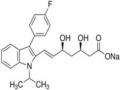 Draw the Frame or General Formula of Each Drug Group (If Any); Structural Formula of Substances in the Chapter.
 -
 Drug Use Advice by Pharmacists
 -
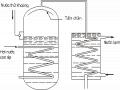 Some Equipment In Injection Drug Production
 -
 Overview of the Department of Pharmacy, Drug and Therapeutics Committee
Effect
+ Effective on all types of epilepsy
+ Very little sedative effect and side effects
Pharmacokinetics: rapidly and completely absorbed through the digestive mucosa. Concentration in cerebrospinal fluid is equivalent to that in plasma. Metabolites in the liver still have the same effect as the parent substance, t/ 2 about 15 hours.
Undesirable effects : digestive disorders, epigastric pain, acute hepatitis,
pancreatitis, sedation, tremor, baldness, decreased prothrombin.
Clinical application
+ Indications: epilepsy of all types (especially the type without seizures).
+ Dosage: initial dose 15mg/kg/day divided into 2 times, gradually increase each week by 5 - 10mg/kg up to 60mg/kg.
Soft capsule 250mg Syrup 5ml = 250mg
Enteric coated tablets: 150mg, 200mg, 300mg, 500mg
2.6. Succinimide derivative: “Ethosuximide”
Effect on epilepsy without convulsions (mechanism not fully understood).
Completely absorbed through the digestive mucosa, evenly distributed in the body. t/ 2 in adults is 40 - 50 hours, in children is 30 hours.
Undesirable effects: nausea, vomiting, hiccups, drowsiness, headache, loss of coordination, leukopenia, thrombocytopenia, bone marrow failure.
Dosage: Adults take 250mg/time, 2 times a day initially, increasing by 250mg each week. Maximum 1.5g/day divided into 2 times. Children take 15mg/kg/day divided into 2 times, increasing by 250mg each week, maximum 1g/day.
Capsule: 250mg Syrup 5ml = 250mg
2.7. Benzodiazepines: clonazepam and clorazepate
Clonazepam (rivotril, klonopin): effective for all types of epilepsy, easily habit-forming
After 1-6 months of treatment, the drug causes sedation and myasthenia.
Initial dose 1.5mg/day, increase 0.5 - 1mg/day every 30 days. Maximum ≤ 10mg/day. Tablets 0.5g, 1g, 2g.
Clorazepate (tranxen): often combined with other drugs to treat partial epilepsy. Initially 22.5mg/day for adults, 15mg/day for children divided into 2-3 times. Gradually increase to a maximum dose of 90mg (adults) and 60mg (children)
Tablets or capsules: 3.75mg, 7.5mg, 15mg
2.8. Other drugs Gabapentin Lamotrigine Acetazolamide
3. Principles of drug use
Use medication only when there is a definite clinical diagnosis.
At first, use only 1 medicine
Use low doses and gradually increase, adapting to seizures
Do not stop taking the medicine suddenly
Take medicine regularly, do not forget to take medicine
Do not drink alcohol while taking medication
Wait long enough to evaluate the effectiveness of treatment: Several days with ethosuximide, several weeks with phenytoin…
Understand the side effects of each drug to monitor promptly.
Check blood drug levels if possible
VALUATION
1. Describe the mechanism of action of anti-epileptic drugs?
2. Effects, indications, contraindications and dosages of antiepileptic drugs in the article?
FEVER REDUCERS - PAIN RELIEVERS - ANTI-INFLAMMATORS
Target:
1. Describe the main effects and mechanisms of antipyretic-analgesic-anti-inflammatory drugs.
2. Describe the effects, side effects, indications, usage and dosage of representative drugs in the group.
3. Describe drug interactions and principles of using antipyretic - analgesic - anti-inflammatory drugs.
All drugs in this group have antipyretic and analgesic effects, and except for aniline derivatives, they also have anti-inflammatory effects. Antipyretic - analgesic - anti-inflammatory drugs are also called non-steroidal anti-inflammatory drugs (CVPS) to distinguish them from steroidal anti-inflammatory drugs.
1. Main effects and mechanism
1.1. Pain relief effect
The drug is effective for mild and localized pain. It is especially effective for pain caused by inflammation (arthritis, myositis, neuritis, periodontitis). It does not have visceral analgesic effects, does not cause sleepiness and is not addictive.
Pain relief mechanism: According to Moncada and Vane (1978), by reducing the synthesis of prostaglandin F 2 (PGF 2 ), so the drug reduces the sensitivity of sensory nerve endings to pain-causing substances of inflammatory reactions such as: bradykinin, histamine, serotonin.
1.2. Antipyretic effect
At therapeutic doses, the drug reduces fever in people with fever due to various causes (it does not work in normal people). The drug only has a symptomatic effect, so after the drug is eliminated, the fever will return (duration of action is 4 hours).
Mechanism of fever and antipyretic effect of CVPS
+ Bacteria, toxins, fungi... (external pyrogens) invade and the body will stimulate white blood cells to produce internal pyrogens. These substances activate prostaglandin synthetase, increase PG synthesis (especially PGE 1 , PGE 2 ) from arachidonic acid of the hypothalamus and cause fever by increasing heat production (muscle tremors, increased respiration, increased metabolism) and reducing heat loss (skin vasoconstriction).
+ CVPS inhibits prostaglandin synthetase, reduces PG synthesis (PGE 1 , PG E 2 ), thus reducing fever by increasing heat dissipation (peripheral vasodilation, sweating), restoring balance to the thermoregulatory center in the hypothalamus.
Number of entries
Extrapyramidal agent
hybrid
(+)

White blood cell
(-)
Sub-hill area
PG(E1,E2)
PG
(+)
TKTW
Muscle tremors and increased respiration
Set
(VK, toxin)
Intrinsic pyrogen i
(+)
Synthesis
Arachidonic acid

TKTV
Contraction, increase in mobility
chemical
Mechanism of fever and effects of antipyretic drugs
1.3. Anti-inflammatory effects
The drug has anti-inflammatory effects due to all causes according to the following mechanisms:
Inhibits cyclooxygenase (COX), reducing the synthesis of PGE 2 and PG F 1 , which are chemical mediators of the inflammatory response.
By stabilizing the lysosomal membrane (lysosomal body), the drug prevents the release of degrading enzymes (hydrolase, aldolase, phosphatase...), thereby inhibiting the inflammatory process.
In addition, the drug also antagonizes chemical mediators of inflammation, inhibits leukocyte migration and inhibits antigen-antibody reactions.
Corticoid
(+)
membrane phospholipids
(-)
Phospholipase A2
Lipooxygenase (LOX)
(+)
Arachidonic acid
(+)
CVPS
(-)
Cyclooxygenase cox
Leukotrienes Prostaglandins
(PGE, PGF, thromboxane, prostacyclin)
Bronchoconstriction, increased secretion, increased vascular permeability, increased phagocytosis
Inflammatory
antiplatelet
Anti-inflammatory mechanism of CVPS
1.4. Antiplatelet effect
In addition to antipyretic, analgesic and anti-inflammatory effects, some drugs in this group also have antiplatelet effects (typically Aspirin).
Antiplatelet aggregation mechanism:
+ Normally, the platelet membrane contains thromboxane synthetase - a catalyst for the synthesis of thromboxane A2 - a substance that causes platelet clumping. However, the vascular endothelium contains a lot of prostacyclin synthetase - a catalyst for the synthesis of prostacyclin (PG I2 ) - a substance that has an antagonistic effect on thromboxane A2 . Therefore, platelets flowing in normal blood vessels do not clump.
+ When the vascular endothelium is damaged, PGI 2 decreases. At the same time, when platelets come into contact with damaged vascular walls, in addition to releasing thromboxane A 2 , they also release "pseudopods" that cause platelets to stick together and to the vascular wall, leading to platelet aggregation.
+ CVPS drugs inhibit thromboxane synthetase, reducing platelet thromboxane A 2 synthesis , so they have antiplatelet aggregation effects.
Aspirin
(-)
Thr. platelet synthase
Cyclooxygenase
Thromboxane A 2
(+)
Arachidonic Acid PG G2 / H2
opposition
prost. synth internal plating c
Prostacyclin (PGI 2 )
Antiplatelet effect of aspirin
2. Derivatives
2.1. Salicylic acid derivatives
2.1.1. Acetyl salicylic acid
Account: Aspirin
BD: Acesal, acetysal, acylpycin, rhodine...
Features and effects
+ Therapeutic dose (500mg/time) has the effect of reducing fever and pain within 1 - 4 hours.
Does not cause hypothermia.
+ High doses (> 3g/day) have anti-inflammatory effects.
+ On uric acid excretion: low dose (1 - 2g/day) reduces uric acid excretion in urine. High dose (2 - 5g/day) increases this acid excretion.
+ On platelets and blood coagulation:
Low doses (40 - 325 mg/day) reduce the synthesis of throboxan A 2 and thus reduce platelet aggregation. Higher doses reduce the synthesis of PG I 2 and have the opposite effect.
High doses of aspirin reduce prothrombin synthesis, so it has an anticoagulant effect.
+ On digestion: The stomach and intestines mucosa always produces PG, especially PG E 2, which has the effect of protecting the digestive mucosa. Aspirin and non-steroidal anti-inflammatory drugs reduce the synthesis of PG E 2 , creating conditions for HCH and pepsin of gastric juice to damage the stomach mucosa.
Pharmacokinetics
+ Rapidly absorbed through the gastric mucosa.
+ Binds 50 - 80% to protein, metabolized in the liver, t/ 2 about 6 hours. Excreted
50% urine in 24 hours in free and metabolite form.
+ If the urine pH is basic, it will increase drug excretion.
Toxicity
+ Long-term use can cause "salicyle syndrome": nausea, tinnitus, deafness, headache, confusion.
+ Special reactions: edema, urticaria, pruritus, Quincke's edema, asthma
+ Hidden or severe gastric bleeding (mild: red blood cells in stool, severe: vomiting blood).
+ Poisoning with dose > 10g
+ Lethal dose for adults is about 20g
Assign
+ Secondary prevention of myocardial infarction in people with a history of the disease.
+ Reduces mild and moderate pain
+ Fever reducer (due to high rate of unwanted effects on the digestive tract, now replaced by paracetamol).
+ Treatment of acute and chronic inflammation: rheumatoid arthritis, osteoarthritis, neuritis, rheumatoid spondylitis...
How to use and dosage : usually taken orally and taken during or immediately after meals.
+ Adults:
Pain relief and fever reduction: take 0.5 - 2g/day divided into 3 - 4 times. Anti-inflammatory: take 3 - 5g/day divided into several times.
Prevention of thrombosis: 100 - 150 mg/day, 8 - 10 days course
+ Children:
Anti-juvenile rheumatoid arthritis: 80 - 100mg/kg/day, divided into several times (4 - 6 times/day)
Tablets: 500mg
Enteric-coated tablets (aspirin PH 8): 500mg, Film-coated tablets: 500mg
Powder pack: 100mg
2.1.2. Methyl salicylate (vertical)
Colorless solution, pungent odor. Only used for massage to relieve local pain: pain relief in arthritis, muscle pain (because the drug penetrates the skin).
2.5% cream or gel
2.1.3. Salicylic acid: Because the drug strongly irritates tissues, it should not be taken orally. For external use, 10% solution to treat calluses, warts, skin fungus...
2.2. Pyrazolone derivatives
Nowadays, only phenylbutazone is used, but rarely. Other derivatives such as phenazone (antipyrin), aminophenazone (pyramidon), metamizol (analgin) are no longer used because of their many toxicities (leukopenia, bone marrow failure, albuminuria, acute tubular nephritis, anuria...).
“Phenylbutazone”
BD: Butazone, azolide, merizon...
Features and effects
+ The antipyretic and analgesic effects are less than salicylates.
+ Very strong anti-inflammatory effect so it is used to treat joint diseases.
+ Increases uric acid excretion through urine
Pharmacokinetics
+ Rapidly and completely absorbed through the digestive tract. Binds 98% to plasma proteins, t/ 2 is 72 hours.
+ Completely metabolized in the liver to the metabolite oxyphenbutazone which is still fully active.
as effective as the parent substance.
Toxicity
+ Causes stomach and duodenal ulcers (still occurs when injected)
+ Edema and high blood pressure due to sodium accumulation
+ Allergy, bleeding spots (due to decreased prothrombin)
+ The most serious are neutropenia and bone marrow failure (occurring at any time when taking the drug).
Assign
+ Ankylosing spondylitis, chronic progressive polyarthritis, rheumatism, psoriasis...
+ Only use when other CVPS drugs are ineffective and must closely monitor for unwanted effects
Contraindications : stomach ulcers, heart disease, kidney disease, high blood pressure.
How to use and dosage
On the first day, take 200mg divided into 2 times (during or after meals), gradually increase to 600mg/day, maintain for 4-5 days depending on the patient, then reduce the dose and maintain 100-200mg/day, one course does not exceed 15 days. If you want to use another course, you must rest for 4-5 days.
Phenylbutazone tablets: 50mg, 100mg Oxyphenbutazone (tandery) tablets 100mg
Many countries have now restricted or eliminated this drug.
2.3. Indole derivatives
2.3.1. Indomethacin
BD: Argun, bonidon, calmocin, chibro...
Features and effects