
REFERENCES
1. M. Alexeep (1976), Developing students' thinking . Education Publishing House, Hanoi.
2. Nguyen Thi Coi (2006), Ways and measures to improve the effectiveness of teaching History in high schools. Hanoi National University of Education Publishing House, Hanoi.
3. Nguyen Thi Coi, Trinh Dinh Tung, Tran Viet Thu, Nguyen Manh Huong, Doan Van Hung, Nguyen Thi The Binh (2011), Training pedagogical skills in History . Hanoi National University of Education Publishing House, Hanoi.
4. Tran Lam Bien, Trinh Sinh (2011), The world of symbols in the cultural heritage of Thang Long - Hanoi . Hanoi Publishing House, Hanoi.
5. Nguyen Thi The Binh (2014), Developing History self-study skills for students. Hanoi Pedagogical University Publishing House.
6. Ministry of Education and Training , History Textbook Grade 10 (standard program).
7. Ministry of Education and Training (2006) , General education program - History subject . Hanoi Education Publishing House.
8. Ministry of Education and Training - Ministry of Culture, Sports and Tourism (2013) , Training materials on using heritage in teaching in general schools.
9. Lam Thi My Dung, Nguyen Gi Doi, Nguyen Ngoc Tho (2011), Historical heritage and new approaches . The Gioi Publishing House, Hanoi.
10. NGĐ iri (1973), How to prepare History lessons?. Education Publishing House, Hanoi.
11. Bui Dep (2012), World Heritage in Vietnam, volume 1. Tre Publishing House, Ho Chi Minh City.
12. Complete Annals of Dai Viet. Social Sciences Publishing House, Hanoi.
13. IF Kharlamov (1978), How to promote students' active learning (volume 1). Education Publishing House, Hanoi.
14. Hoang Thanh Hai (1999 ), Using historical relics in teaching national history in secondary schools , Doctoral thesis in Education 5.07.02. Hanoi National University. Hanoi Pedagogical University.
15. Hoang Thanh Hai (1996), “ Historical relics and teaching in high schools” , Magazine Past and Present , pp. 6-7.
16. Pham Minh Hac (1991), Contributing to innovation in educational thinking. Education Publishing House, Hanoi.
17. Nguyen Van Huy , Heritage experiential education process in schools. Center for Research and Promotion of Cultural Heritage Values.
18. Bui Ba Linh (1999), Culture and cultural personality education , Proceedings of the Scientific Conference: "Preserving and promoting national identity - The role of research and education", Ho Chi Minh City Publishing House.
19. Pham Mi Hung (2012), Teaching History through heritages. Proceedings of the National Conference on Teaching History in High Schools.
20. Nguyen Thu Hy (1993), Thang Long Hanoi in the 17th - 18th - 19th centuries . Vietnam Historical Association.
21. Phan Ngoc Lien, Tran Van Tri, Nguyen Phan Quang (1968), Practical extracurricular work in History. Education Publishing House, Hanoi.
22. Law on Cultural Heritage and implementing documents (2006), National Political Publishing House, Hanoi.
23. Law on Cultural Heritage: Supplements and Amendments (2009). National Political Publishing House, Hanoi.
24. Ho Chi Minh (1995), Complete Works, 2nd edition, volume 3. National Political Publishing House, Hanoi.
25. Nguyen Minh Nguyet (2012), “Heritage experience education in general schools – a new approach in traditional education” , Education Magazine (297).
26. Do Van Ninh (2004) , “New understanding of Thang Long citadel”, Journal of Archaeology (4), pp. 21-35.
27. Luu Tran Tieu (2002), “ Preserving and promoting Vietnamese cultural heritage”, Culture and Arts Magazine, pp. 661-662.
28. Luu Tran Tieu, Nguyen Huu Toan, Nguyen Quoc Hung (2014), The path to approaching Vietnamese cultural heritage. National Culture Publishing House, Hanoi.
29. Trinh Dinh Tung (2014), Innovation in History teaching methods. Hanoi National University Publishing House, Hanoi.
30. University of Education, Pedagogical Warehouse (2009), Lecture series: History teaching methods , Hanoi.
31. Tran Thu Thuy, Nguyen Xuan Truong, Nguyen Duc Tang (2014), Steps to develop a teaching plan using intangible cultural heritage. Education Publishing House, Hanoi.
32. Nguyen Duc Quang ( 2004) , “On the goals, content, and methods of world heritage education for Vietnamese high school students”, Journal of Educational Development (5), pp. 10-12.
33. Sardkov (1982), Student thinking . Education Publishing House, Hanoi.
34. UNESCO (1989), “UNESCO Messenger ” Magazine (11).
35. Le Thi Hai (2010), Using local historical relics in teaching Vietnamese history at high schools in Hung Yen province . Master's thesis in education.
36. Pham Van Mao (2014), Organizing learning with local tangible cultural heritage in teaching Vietnamese History grade 10 at high school (standard program) in Hai Duong province . Master's thesis in education.
37. Jean Marc Dénommé et Madeleine Roy (2009), Interactive Pedagogy: A Neuroscientific Approach to Learning and Teaching. Hanoi National University Publishing House.
38. Le Thi Thao (2014), Using local historical and revolutionary relics in teaching Vietnamese History from 1945 to 1954, grade 12, high school in Tuyen Quang province (standard program) . Master's thesis in education.
39. “The young generation needs to be educated about cultural heritage”, Dan Tri online newspaper , May 19, 2011.
40. Tran Quoc Vuong, Phan Huy Le, Nguyen Hai Ke (2011), Thang Long
– Hanoi. World Publishing House, Hanoi.
41. www.hoangthanhthanglong.vn/.
APPENDIX APPENDIX 1
TEACHER OPINION SURVEY
To contribute to the successful implementation of the research topic: " Using the heritage of Thang Long Imperial Citadel in teaching Vietnamese History for grade 10 at Nguyen Binh High School, Vu Ban District, Nam Dinh Province ", we look forward to receiving the help of teachers.
No answer is judged as right or wrong, personal information will be kept confidential and used for research purposes only.
( Mark X in the blank box before the answer that suits your teacher)
Question 1: According to you, what is cultural heritage?
o Cultural heritage is a valuable asset of the Vietnamese ethnic community and is a part of the world's cultural heritage, playing a great role in our people's cause of building and defending the country.
o Cultural heritage includes tangible and intangible cultural heritage recognized by the world.
o Cultural heritage includes intangible cultural heritage and tangible cultural heritage, which are spiritual and material products of historical, cultural and scientific value passed down from generation to generation in the Socialist Republic of Vietnam.
o Other comments:……………………………………………………………
Question 2: What is your opinion on the issue of using cultural heritage in teaching History?
o It is a method to help students improve life skills, help individuals and communities gain knowledge about heritage and participate in heritage protection.
o It is the way teachers organize students to carry out learning tasks related to cultural heritage, contributing to supplementing knowledge and solving problems arising in practice, improving understanding of protection, propaganda and having the right attitude towards heritage.
o Is one of the most diverse and vivid teaching aids.
o Is a method to improve the quality of History education, helping students increase their understanding of national history.
Question 3: According to you, is it necessary to use the Thang Long Imperial Citadel heritage in teaching History?
 Very necessary Necessary Normal Not necessary


Question 4: How often do you use the Thang Long Imperial Citadel heritage?
How is Long in teaching Vietnamese History in grade 10?
Frequent | Sometimes | Seldom | Are not ever | |
1. Archaeological Site 18 Hoang Dieu. | ||||
2. Kinh Thien Palace Platform. | ||||
3. North Gate (the city gate) North. | ||||
4. Walls and 8 gates Nguyen Dynasty | ||||
5. Revolutionary relics house and bunker D67. | ||||
6. Hau Lau (Tinh Bac Lau or Princess Tower). | ||||
7. Flag Tower (Hanoi Flag Tower). | ||||
8. Thang Long Imperial Citadel Architecture |
Maybe you are interested!
-
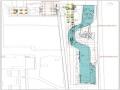
 15th-18th century architectural materials in the Kinh Thien Hoang Palace area of Thang Long citadel through excavation documents in 2017-2019 - 16
 -
 Proposing solutions to contribute to preserving and developing Thang Long Tu Tran into a unique tourism product of Hanoi - 11
 -
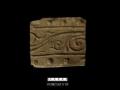 15th-18th century architectural materials in the Kinh Thien Hoang Palace area of Thang Long citadel through excavation documents in 2017-2019 - 17
 -
 Proposing solutions to contribute to preserving and developing Thang Long Tu Tran into a unique tourism product of Hanoi - 1
 -
 The Nature of Teaching Developing Computational Thinking in Teaching Programming to Students
9. Monuments and relics of the Royal Family Thang Long citadel |
Long.
Question 5: In the process of teaching History, teachers often design activities
Which learning activities use the heritage of Thang Long Imperial Citadel?
Learning activities | Have | Are not | ||
1. Building a photo library of Thang Long Imperial Citadel. | ||||
2. Students ask and answer questions about the Thang Long Imperial Citadel heritage. Long. | ||||
3. Students apply learned knowledge to carry out learning tasks. practice (for example: organizing the game "Pieces of History"; presenting about Historical Figures, etc.). | ||||
4. Students learn about the architecture of Thang Long Imperial Citadel | ||||
5. Students read books related to Kinh Thien and Doan palaces. Subject, Archaeological Site 18 Hoang Dieu. | ||||
6. Write an article on the topic of History: "Heritage Journey". | ||||
7. Group discussion on the topic: "Preserving and promoting heritage" Thang Long Imperial Citadel”. | ||||
8. Organize a tour of Thang Long Imperial Citadel. | ||||
9. Diagrammatic presentation of Thang Long Imperial Citadel through the ages history. | ||||
10. Play the role of a tour guide introducing the Royal Heritage Site. Thang Long citadel | ||||
Question 6: The level of interest of students when participating in related learning activities How is the heritage of Thang Long Imperial Citadel expressed? | ||||
Learning activities | Like it very much | Normal | Dislike | |
1. Building a photo library of Thang Long Imperial Citadel Long. | ||||
2. Students apply the knowledge they have learned. | ||||
3. Diagrammatic presentation of Thang Long Imperial Citadel Long through the historical periods. | ||||
4. Students learn about the architecture of the Imperial Citadel Thang Long. | ||||
5. Students read books related to electricity Kinh Thien, Doan Mon, Archaeological Site 18 Hoang Dieu. | ||||
6. Students ask and answer related questions to the heritage of Thang Long Imperial Citadel. | ||||
7. Group discussion on the topic: “Conservation and promoting the heritage of Thang Long Imperial Citadel". | ||||
8. Organize a tour of Thang Long Imperial Citadel Long. | ||||
9. Write an article on the topic of History: “Heritage Journey”. | ||||
10. Play the role of a tour guide introducing Cultural heritage of Thang Long Imperial Citadel. | ||||
Question 7: To check and evaluate the effectiveness of using the heritage of Thang Long Imperial Citadel In teaching History, which of the following methods do teachers often use? | ||||
Testing and evaluation methods | Frequent | Sometimes | Not yet ever | |
1. Answer essay questions according to teaching objectives learn. | ||||
2. Answer objective test questions (multiple choice questions, fill in the blanks, matching sentences, etc.). | ||||
3. Observe students' interests. | ||||
carry out learning tasks (for example: organize the game "Pieces of History"; present on Historical Figures, etc.).
5. Regular testing (interviews, quick assessment tests). | ||||
6. Written test after completing a section, a chapter or a course of history. | ||||
Question 8: When organizing learning activities using the Thang Long Imperial Citadel heritage In teaching History, what difficulties do teachers encounter? | ||||
Some difficulties | Have | Are not | ||
1. Lack of facilities (projectors, related pictures) office, classroom…). | ||||
2. Not enough time (limited number of periods while the amount of knowledge to be learned is large) understand too much). | ||||
3. There is no budget for organizing tours. | ||||
4. No direct access to source documents. | ||||
4. The classroom is not suitable for organizing group discussion activities. | ||||
5. Not knowing how to exploit the source of documents. | ||||
6. Students are not interested in participating because this is a minor subject. | ||||
4. Study sheet, assessment sheet for completing learning tasks.
Question 9: From what sources do you usually learn about the Thang Long Imperial Citadel heritage?
Information source
Frequent | Sometimes | Never | |
1. Search the Internet. | |||
2. Watch relevant TV shows related to the heritage of Thang Long Imperial Citadel. | |||
3. Buy books or newspapers, magazines about cultural heritage. | |||
4. Visit the Imperial Citadel Heritage website Thang Long ( www.hoangthanhthanglong.vn ) to find out. | |||
5. Listen to informative radio programs |
6. Read historical stories about the Royal heritage Thang Long citadel through a number of specialized magazines on cultural heritage. | |||
7. Visit or attend some events in person event held at the Thang Long Imperial Citadel relic site. |