
+ Rest: let the patient rest in bed, rest relatively.
+ Nutrition: high protein, high sugar, low fat diet. For patients with anorexia, it is recommended that they change their eating habits: eat high energy diets at times when they can eat, eat many times a day.
+ Intravenous rehydration and electrolyte replacement: when the patient cannot eat or vomits repeatedly
+ Abstain from alcohol during the acute phase of the disease.
+ Do not use sedatives for patients.
Maybe you are interested!
-

 Basic electronic engineering - City College of Construction. HCM Part 1 - 1
 -
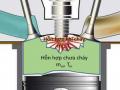 Basic Burn Rate Experimental Formulas
 -
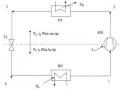 Basic Refrigeration Refrigeration and Air Conditioning Engineering - Intermediate - Ha Nam Vocational College 2020 - 1
 -
 Basic Conditions for Implementing Solutions
 -
 Describe the causes of rickets.
+ Acute viral hepatitis does not indicate the use of Corticoid.
+ Use Vitamin K for patients with prolonged Prothrombin time with a dose of 1-5 mg intramuscular injection.

8. Disease prevention
+ For hepatitis A: apply preventive measures similar to other diseases transmitted through the digestive tract.
+ With hepatitis B:
- Use vaccines to prevent the disease, especially for those who have frequent sexual contact with the patient.
- Avoid sharing syringes and needles, and carefully check blood donation sites.
- For medical staff when caring for patients: avoid contact with blood and secretions of patients.
VALUATION
1. Describe the epidemiological characteristics and preventive measures of viral hepatitis?
2. Describe the clinical symptoms, progression and complications of viral hepatitis?
3. Fill in the blanks in the following sentences.
Question 1. The initial stage of viral hepatitis includes the following symptoms:
A...................
B...................
C. Digestive syndrome.
Question 2. The acute stage of viral hepatitis includes the following symptoms:
A...................
B...................
C...................
D...................
E. Liver enlarged or normal.
Question 3. Patients suspected of having viral hepatitis need to do the following tests:
A...................
B...................
C. Find antibodies in blood D....................
Question 4. Some complications that can occur in viral hepatitis.
A...................
B...................
C...................
D. Chronic hepatitis.
Question 5. Diagnosis of viral hepatitis is based on the following criteria:
A...................
B...................
C...................
Lesson 33
Plague
TARGET
1. Describe the causes and epidemiological characteristics of the plague.
2. Describe the symptoms of common plague, typical of plague.
3. Present the treatment and prevention regimen for plague.
CONTENT
1. General
Is an acute infectious disease transmitted through the blood caused by plague bacteria, patients show symptoms of infection, poisoning, lymphadenitis, bacteremia, pneumonia. Plague is a very dangerous infectious disease.
2. Causes – epidemiology
2.1. Cause : caused by plague bacteria
- Plague bacteria are cocci, 1-2 micrometers long, non-encapsulated, non-ciliated, non-motile, non-spore forming. Gram negative staining
- Aerobic or anaerobic.
- Grows on common culture media, grows rapidly on media containing blood or serum.
- Resistance: poor, easily destroyed in the outside world but can live in a corpse for several dozen days.
- Causes disease mainly by endotoxin.
2.2. Epidemiology
2.2.1. Source of disease
- Plague is a disease of wild rodents and some wild animals (squirrels, rabbits, weasels, foxes...) but mainly rats, infected rats are the basic source of the disease.
- Sick people are secondary sources of disease.
2.2.2. Transmission route : Through the blood by the intermediate vector, fleas.
2.2.3. Sensitivity – immunity
- People are highly susceptible to the disease, especially those aged 5-15.
- After recovery, the patient gains lasting immunity.
2.2.4. Translation characteristics
- The disease has natural outbreaks circulating in certain areas. In our country, the epidemic occurs from the South Central provinces onwards.
- The disease can cause a large epidemic.
3. Symptomatology
3.1. Clinical symptoms of common and typical plague
3.3.1. Incubation period : 3-6 days
3.1.2. Onset : Sudden high fever, chills, headache, dizziness, nausea.
3.1.3. Full-blown (lymph node swelling period)
+ Whole body: manifested by
- Infection and poisoning syndrome: continuous high fever of 39 - 40 degrees Celsius, skin congestion, red eyes, lips, dirty tongue, patient vomits, possible bleeding under the skin or internal organs, liver
- enlarged spleen
- Neurological: lethargy, gloom or restlessness, fear, possible delirium, coma, agitation, speech disorder.
- Cardiovascular: rapid, weak pulse, faint heart sounds, arrhythmia, circulatory collapse, blood pressure
reduce.
- Swollen lymph nodes: mainly inguinal lymph nodes, then axillary and cervical lymph nodes, the lymph nodes are very enlarged.
fast with hard, round, smooth lymph nodes, initially as big as a longan seed, later as big as an egg, surrounding tissues become inflamed and stick to the skin, skin color is red and tense, very painful, swollen lymph nodes are painful for weeks fibrosis gradually subside rupture reddish pus (containing many plague bacteria)
3.2. Paraclinical
- CBC: increased white blood cell count, increased neutrophil ratio, decreased red blood cells and platelets in severe cases.
- Isolation of pathogens from lymph node pus by fresh staining and culture.
- Method for detecting F1 antigen in clinical specimens.
- Serological diagnosis: complement fixation reaction, agglutination reaction, inhibition of hemagglutination
- Rapid diagnosis by immunofluorescence reaction
3.3. Clinical manifestations
3.3.1. Sepsis
Systemic symptoms are very severe: high fever, lethargy, delirium or coma, possible bleeding under the skin and internal organs, enlarged liver and spleen. High mortality rate.
3.3.2. Pulmonary form
Symptoms are similar to pneumonia: high fever, chills, cough, chest pain, difficulty breathing, the patient coughs up reddish sputum. Patients are likely to die in the setting of acute pulmonary edema.
4. Progression – complications
4.1. Progress
If treated early, the outcome is usually good and the common form is rarely fatal.
death
4.2. Complications
- Superinfection: causes lymphadenitis, pneumonia making the disease worse.
- Neuritis, osteomyelitis, keratitis.
5. Diagnosis
5.1. Identification
+ Clinical:
- Lymph nodes: painful lymph nodes, tend to become pus throughout the body: there is a toxic infection syndrome.
- Pulmonary form: severe systemic and functional symptoms, poor physical signs in the lungs.
- Sepsis: has severe systemic symptoms.
+ Epidemiology: in epidemic areas, there was a rat epidemic 7-10 days before.
+ Paraclinical: isolate bacteria by direct staining and culture.
5.2. Distinction
- Lymph nodes: differentiated from common suppurative lymphadenitis (lymph nodes do not enlarge rapidly and systemic symptoms are not severe).
- Pulmonary and septicemic forms: to differentiate from pneumonia and septicemia caused by other types of bacteria based mainly on paraclinical.
6. Treatment
6.1. Specific treatment
+ Streptomycin
- Principle: early treatment, high dose antibiotics, do not wait for testing.
- Treatment dose: 3g/24h x 2 consecutive days, then use 2g/24h until fever is gone for 2 days.
Or:
+ Tetracycline 2g/24h Or:
+ Chloramphenicol 2g/24h
For severe cases, it is necessary to combine 2-3 of the above drugs.
6.2. Symptomatic treatment
- Incision to drain pus, sprinkle Streptomycin and penicillin powder
- Replenish water and electrolytes.
- Heart support, sedative, Vitamin
- If there is respiratory failure: oxygen.
7. Disease prevention
7.1. Specific disease prevention
- Kill rats after killing fleas
- Caregivers and people in contact with patients with the plague must comply with regulations for extremely dangerous diseases, must have separate protective clothing, and must be vaccinated.
- Early detection and absolute isolation of patients, need to mobilize people who have had plague to take care of patients.
7.2. Special room
Inject EV vaccine intradermally at a dose of 0.1ml x 3 times, 7-10 days apart.
7.3. Prophylactic treatment for people in contact with the patient
- Streptomycin dose 3g/24h x 2 days. Then 2g/24h x 7-10 days Or:
- Tetracycline dose 1g/24h x 4-5 consecutive days.
VALUATION
1. Describe the epidemiological characteristics, progression, and complications of plague?
2. Describe the clinical symptoms of common plague? Progression and complications of this disease?
3. Fill in the blanks in the following sentences. Sentence 1. Source of infection of the plague.
A.................
B.................
Question 2. Complications of the plague.
A.................
B.................
Question 3. Basis for diagnosing plague.
A.................
B.................
C.................
Question 4. Disease prevention measures.
A.................
B.................
C.................
Lesson 34
DUNGUE HEMORRHAGIC DISEASE (DENGUE HEMORRHAGIC FEVER)
TARGET
1. Describe the epidemiological characteristics and explain how to prevent the disease.
2. Describe the progression of the disease and common complications.
3. Classify the severity of the disease according to OMS and treatment regimen.
CONTENT
1. General
Dengue fever is an acute infectious disease caused by a virus belonging to group B of Acborvirus, causing patients to have acute fever, body aches, muscle pain, joint and muscle pain, bleeding and can lead to shock.
In Vietnam, dengue hemorrhagic fever first appeared in 1960 and then every few years there was an epidemic.
2. Causes and epidemiological characteristics
2.1. Causes
Caused by dengue virus, this virus belongs to group B of Acbor virus, including 4 types: I, II, III, IV
2.2. Epidemiological characteristics
2.2.2. Source of disease : infected humans and apes are the source of infection (6-18 hours before fever and the first 72-96 hours of illness).
2.2.2. Transmission route : via blood
2.2.3. Insect vector : Aedes aegypti mosquito
2.2.4. Immunity : after recovery, patients acquire unstable immunity, there is no cross-immunity between types.
2.2.5. Epidemic characteristics : often occurs in June, July, August and can cause large epidemics (especially in chubby children aged 2-9 years old)
3. Symptomatology
3.1. Dengue hemorrhagic fever
+ Fever: sudden fever, high fever 39 - 40 degrees Celsius, fever for 2-7 days with non-specific infection: headache, insomnia, loss of appetite, sore throat, muscle and joint pain, skin congestion or rash.
+ Hemorrhage: appears from the 5th day onwards with manifestations of subcutaneous bleeding (natural bleeding or after injection), mucosal bleeding, internal bleeding.
+ Palpable elbow lymph nodes.
+ Circulatory failure: rapid pulse, low blood pressure (BP < 90 mmHg) this is a particularly notable symptom in dengue hemorrhagic disease.
+ Enlarged liver: In other countries, this symptom is the majority, but in Vietnam, this rate is 30%.
3.2. Diagnostic criteria for dengue hemorrhagic fever according to WHO
+ Sudden fever: 2-7 days
+ Hemorrhage:
- Laser (+)
- Hemorrhage (subcutaneous, mucosal, visceral)
+ Enlarged liver
+ Shock: rapid, weak pulse, stuck or low blood pressure (< 90mm Hg), agitation, cold extremities.
+ Test:
- Platelets < 100,000/ml of blood
- Increased blood concentration: Hematocrit increased by 20%
(normal 38-40%)
- Coagulation disorders: decreased platelets, decreased Prothrombin ratio, decreased blood Fibrinogen...
According to WHO: Dengue hemorrhagic fever = 2 clinical symptoms + testing
Dengue shock syndrome = circulatory failure + high hematocrit
3.3. Severity classification of dengue hemorrhagic fever according to WHO
Grade I: fever + nonspecific infection + laser (+)
Grade II: Grade I + bleeding (Dengue hemorrhagic fever alone)
Grade III: Circulatory failure (rapid pulse, low blood pressure)
Grade IV: Severe shock (pulseless, unmeasurable blood pressure) (Dengue hemorrhagic shock)
3.4. Dengue hemorrhagic shock
Often occurring from day 3-7 of the disease, signs of circulatory failure include: cold skin, purple around the lips, restlessness, irritability, rapid, weak pulse, stuck or low blood pressure (< 90 mmHg).
Test: Platelets < 100,000/ml blood
Increased hematocrit
Dengue hemorrhagic shock can cause rapid death.
3.5. Pre Shock Signs
Criteria: the patient is awake and appears lethargic, has cold extremities, abdominal pain, vomits blood, has bloody stools, enlarged liver, and tests show increased Hematocrit.
After 12 hours, dizziness will occur.
4. Diagnosis
4.1. Definitive diagnosis : according to OMS standards
4.2. Differential diagnosis : Leptospira.
5. Treatment
5.1. Dengue hemorrhagic fever without shock (treatment is the same as for common viral diseases).
- Rehydrate and replenish electrolytes with OMS
- Fever reduction: by physical methods, high fever can lead to convulsions, use Paracetamol to reduce fever
< 1 year old: 60mg/time
1-3 years old: 60 – 120 mg. 4-6 years old: 120 mg
7-12 years old: 240 mg
- Vitamin C: taken orally