
+ Loss of subcutaneous fat
+ Severe digestive disorders.
* SDD level III is divided into 3 types:
. Marasmus
. Intermediate SDD (Marasmus - Kwashiorkor)
Maybe you are interested!
-

 Basic electronic engineering - City College of Construction. HCM Part 1 - 1
 -
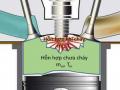 Basic Burn Rate Experimental Formulas
 -
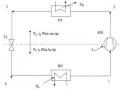 Basic Refrigeration Refrigeration and Air Conditioning Engineering - Intermediate - Ha Nam Vocational College 2020 - 1
 -
 Basic Conditions for Implementing Solutions
 -
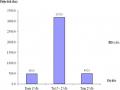 General Comments and Assessment of Basic Conditions of the Study Area
. Kwashiorkor
2.2 Symptoms

2.2.1. Early SDD (SDD level I, II):
- The growth chart shows the weight line is horizontal or downward.
- Loss of appetite or vomiting, diarrhea.
- Tired, loss of appetite or crying, thin body.
- Thin layer of subcutaneous fat.
- No.
- Children are susceptible to infectious diseases.
2.2.2. Severe SDD:
- SDD can atrophy:
+ Weight is below 60%.
+ Not suitable.
+ Skin and bones
+ Flaccid muscles, reduced muscle tone, arm circumference below 12cm.
+ Tired, fussy, not wanting to play.
+ Poor appetite, frequent digestive disorders.
+ Has symptoms of anemia and vitamin deficiency.
+ Often have infectious diseases.
- Edema SDD:
+ Weight remaining 60 - 80%
+ Nutritional edema: Peripheral edema, white, soft and shiny edema
+ Dry skin, with pigmented patches on the skin: in the armpits, groin, buttocks, and limbs, at first there are scattered purple-red dots, gradually spreading and then gathering into dark brown patches. After a few days, the scales peel off, leaving behind a new layer of skin, oozing and susceptible to infection.
+ Small flabby muscles, arm circumference under 12cm.
+ Children have poor appetite, vomiting, loose stools, undigested, with mucus and fat.
+ Children often cry and are less active.
+ There are signs of anemia and severe vitamin deficiency.
+ Often get infectious diseases
- Intermediate SDD;
+ Weight remaining 60%
+ Swollen legs but skinny body.
+ Anemia and vitamin deficiency, especially vitamin A.
- Some tests:
+ Blood: Red blood cell reduction
+ Decreased blood protein
+ Blood sugar reduction
+ Decreased serum iron
+ Decreased electrolytes
+ Stool: Positive stool residue
2.3 Progression and complications
+ Children with mild malnutrition, early detection and timely treatment, children recover after 4 - 6 weeks.
+ Severe SDD has a poor prognosis and children are likely to die from complications.
. Electrolyte disturbances
. Infection
Hypothermia
Hypoglycemia
3. Treatment and care
3.1. Mild to moderate SDD
- Adjust your diet:
+ Increase breastfeeding.
+ Eat enough nutritious food.
- Check and treat infectious diseases
- Weight tracking.
3.2. Severe SDD
As an emergency treatment is most important in the early days.
* Diet:
+ Ensure breast milk
+ Weaned babies on cow's milk.
+ Day 1,2 eat diluted whole milk 1/2 × 150ml × 8 - 10 meals.
+ Day 3,4: eat diluted whole milk 2/3 × 150ml × 7 - 8 meals.
+ From the 5th day onwards, eat whole milk × 150ml × 6 - 8 meals.
+ By the end of the second week, when the child's diarrhea has stopped, feed him/her an age-appropriate diet:
. Feed enough nutrients.
. Cooked food.
Eat many meals a day (eat 1-2 more meals/day).
* Rehydration and electrolytes:
+ Drink ORS solution 50-100 ml/kg/4-6 hours, then re-examine and re-evaluate.
If severe, intravenous infusion must be given according to treatment plan C to treat diarrhea and dehydration. If the patient improves, oral treatment plan A must be given to treat diarrhea and dehydration.
+ Drink more fruit juice.
* Keep warm to prevent hypothermia:
+ Let the child sleep in a separate, clean, warm room with a temperature of 20-28 degrees to avoid cross-infection.
+ Mother holds and lies with the baby
+ Warm
* Anti-hypoglycemic:
+ Don't let children go hungry.
+ Give your child milk in equal portions day and night.
* Toilet:
Skin: Bathe with warm water, apply Methylene Blue solution to pigmented patches.
Clean teeth after each meal. If there is thrush, brush with 1% glycerinborate or nistatin.
Food hygiene
Massage, physical therapy
* Use medicine:
+ Fluid, protein, blood transfusion (if there is shock)
+ Antibiotics suitable for bacterial infection
+ Vitamins and minerals:
Vitamin A: Children <1 year old Children >1 year old
Day 1 100,000 units 200,000 units
Day 2 100,000 units 200,000 units
After 2 weeks 100,000 IU 200,000 IU Vitamins B, PP, D, C, folic acid, iron tablets.
- Monitor :
+ Pulse, temperature, blood pressure, breathing rate at severe level every 3 hours after 3 times/day.
+ Phew.
+ Weight, arm circumference.
4. Disease prevention:
4.1. Health education:
. Keep warm to prevent hypothermia
. Feeding instructions
. Detect unusual signs
4.2. Discharge the child from the hospital when
. Children stop having diarrhea
. Out of edema
. No infection
. Weight gain
Mother knows how to raise children
4.3. Disease prevention
. Do a good job of pregnancy management and pregnancy hygiene.
. Early breastfeeding, extended breastfeeding
Feed children properly.
. Implement the expanded immunization schedule
. Track your weight every month
. Early treatment of childhood diseases
. Instructions for mothers on how to raise children
4.4. Evaluation
- Weight, arm circumference
- Progress in children's eating habits
- Disease progression in children
- Mother's knowledge of child rearing
PRICE:
1. What causes malnutrition in children?
2. Classification of malnutrition. Make a table comparing the differences between mild, moderate and severe malnutrition?
3. Describe how to treat malnourished children?
Lesson 101
RICKETS AND CARE
TARGET
1. Describe the causes of rickets.
2. Describe the symptoms, treatment, and prevention of rickets.
CONTENT
1. Cause.
Rickets is caused by a lack of Vitamin D which affects the metabolism of calcium and phosphorus in the body, causing slow bone growth and deformation.
Causes of Vitamin D deficiency.
1.1. Due to eating and drinking.
- Due to lack of breast milk, early weaning.
- Children who eat a lot of flour are prone to rickets, because flour contains substances that inhibit calcium absorption.
1.2. Lack of sunlight.
- Due to the custom of not letting children go outdoors in the first months after birth.
- The house is cramped, damp, and lacks sunlight.
- In winter, children wear many layers of clothing.
- Weather: The lands have a lot of fog.
1.3. Favorable factors.
- Age: Common in children under 1 year old.
- Premature babies, underweight babies.
- Children with infectious diseases of the respiratory and digestive systems.
- Children with prolonged digestive disorders or congenital biliary obstruction.
2. Symptoms.
2.1. Manifestations in the nervous system.
- This is the earliest sign of the disease.
- Symptoms:
+ Children do not sleep well and often startle.
+ Night sweats on forehead and nape even when it's cold.
+ Hair loss at the back of the neck (licking sign).
2.2. Manifestations in the skeletal system
- Skull.
+ Wide fontanel, soft fontanel edges, slow to close.
+ Children under 3 months old may have soft skull: gently press on the middle of the bone and the bone will sink, when you remove your hand it returns to normal.
+ Have forehead and parietal tumors.
+ Teeth grow slowly and grow in a messy way.
- Thoracic bones.
+ Has a chain of ribs: The cartilage connecting the ribs and sternum is enlarged.
+ Deformed chest: Chicken chest, bell-shaped.
- Limb bones.
Extremity enlargement, deformity, fracture.
+ Has wristbands and anklets.
+ Bones are bent in the shape of "O", "X".
- Spine: Hunchback or scoliosis.
- Pelvis: Narrow, if the baby is a girl, it can cause difficult birth later.
- Teeth: Slow tooth growth, bad enamel, tooth decay are very common in baby teeth.
2.3. Other manifestations.
- Slow motor development.
- Muscle tone is reduced.
- Loose ligaments.
- Symptoms of anemia.
3. Paraclinical.
X-ray shows osteoporosis. Blood count:
Red blood cells are often reduced. Alkaline phosphatase in the blood: increased blood phosphorus, decreased blood phosphorus.
Serum calcium is usually normal.
4. Diagnosis.
4.1. Definitive diagnosis.
Based on clinical symptoms.
4.2. Differential diagnosis. Congenital osteomalacia. Congenital hypothyroidism. Short limb bone disease.
5. Progression and complications.
- Symptoms are gradually treated, leaving no sequelae.
- No treatment: The disease may gradually improve, but the child's body will develop slowly and leave bone sequelae.
6. Treatment.
+ Vitamin D: 2000 - 4000 IU/day x 4 - 6 weeks. Total dose not exceeding 600,000 IU.
+ For children with acute rickets:
- Vitamin D 10,000 IU/day.
- UV irradiation every 2 weeks.
- Orthopedic massage therapy.
- For Vitamins A, B and C.
- For calcium salts.
7. Disease prevention.
- With children.
+ Make sure your baby is breastfed.
+ Breastfeed as soon as possible.
+ From the 5th month, give supplementary food.
+ Wean at 2 years of age or older.
+ 2 weeks after birth, you can take your baby out to sunbathe (if the weather is warm).
+ When the child is 1 month old, take 1 fish oil capsule/day for the first year or 10,000 IU of Vitamin D/week/year.
- With mother:
+ When pregnant and breastfeeding, mothers need to eat well.
+ Outdoor activities, sunbathing.
+ Avoid excessive praise.
+ Last 2 months of pregnancy: Give 1-2 fish oil capsules/day or 500-1000 IU Vitamin D/day.
PRICE:
1.What is the main cause of rickets? 2.What are the early symptoms of rickets?
3. List the symptoms of rickets?
4. Describe how to treat rickets with vitamin D?
Lesson 102
IRON DEFICIENCY ANEMIA
TARGET:
1. Present the concept of anemia and classify anemia.
2. Describe the causes of iron deficiency anemia.
3. Describe clinical symptoms, diagnosis, treatment and prevention of iron deficiency anemia.
CONTENT:
1. Concept of anemia
Anemia is a condition of reduced hemoglobin (Hb) or red blood cell mass in a unit of blood volume, hemoglobin or red blood cell mass is lower than the normal limit for people of the same age. According to the World Health Organization, anemia is when hemoglobin is below the following limits:
- Children 6 months - 6 years old: Hb below 110g/l
- Children 6-14 years old: Hb below 120g/l
- Adults:
+ Male: Hb below 130g/l
+ Female: Hb below 120g/l
+ Pregnant women: Hb below 110g/l
2. Classification of anemia by cause
2.1. Anemia due to hypoplasia
- Anemia due to lack of hematopoietic factors
+ Iron deficiency anemia (most common)
+ Folic acid and vitamin B 12 deficiency anemia
+ Protein deficiency anemia
+ Anemia due to poor iron utilization (rare)
- Anemia due to hypoplasia and bone marrow aplasia
+ Pure erythroblastosis
+ Acquired and congenital bone marrow failure
+ Bone marrow infiltration: leukemia, cancer metastases into the bone marrow.
- Other causes: Chronic renal failure, hypothyroidism, chronic infection, collagen disease.
2.2. Hemolytic anemia
- Hemolysis due to abnormal causes in red blood cells, genetic
+ Hemoglobin diseases: alpha-thalasemia, beta-thalasemia, HbE, HbS, HbC, HbD.
+ Diseases of the red blood cell membrane: Microspheroid erythrocytosis, spindle-shaped erythrocytosis.
+ Erythrocyte enzyme deficiency: Glucose-6-phosphate-dehydrogenase deficiency, pyruvate-kinase deficiency, glutathione reductase deficiency.
- Hemolysis due to extra-erythrocyte causes, acquired
+ Immune hemolysis: Rh, ABO, autoimmune blood group incompatibility between mother and child.
+ Infection: Malaria, blood infection
+ Drug poisoning such as phenylhydrazine, antimalarial drugs, nitrites or chemicals, snake venom, poisonous mushrooms.
+ Strong spleen.
2.3. Anemia due to bleeding
- Acute bleeding
+ Due to trauma, esophageal varices, gastrointestinal bleeding, cerebral-meningeal hemorrhage due to ruptured aneurysm.
+ Due to hemostasis disorders: Thrombocytopenia, hemophilia, prothrombin deficiency
- Chronic, slow bleeding: Hookworm, gastric and duodenal ulcers, hemorrhoids, rectal prolapse.
3. Iron deficiency anemia
- Iron deficiency anemia is the most common type of anemia in young children. The disease occurs most often in children from 6 months to 2 years old.
- Review iron metabolism:
+ Iron is an important component of hemoglobin, essential for life.
+ The amount of iron in the body is very small: in infants there is about 250 mg of iron, in adults there is 3.5-4.0g of iron
+ Food is the source of iron for the body. Iron is absorbed throughout the digestive tract, especially in the duodenum and the first part of the small intestine.
+ Iron absorption needs vary depending on body development:
Children 3-12 months: 0.7 mg/day
Children 1-2 years old: 1 mg/day
Older age, puberty: 1.8-2.4 mg/day
+ Iron is excreted in small amounts in feces, urine, sweat, skin cell exfoliation, mucous membranes, nails, and menstrual cycle.
3.1. Causes
- Iron deficiency
+ Iron-deficient diet: Lack of breast milk, prolonged use of cereal, lack of animal-based foods
+ Premature babies, low birth weight, twins (low iron reserves supplied through placental circulation)
- Poor iron absorption
+ Reduce stomach acidity
+ Prolonged diarrhea
+ Malabsorption syndrome
+ Abnormalities in the stomach and intestines
- Excessive iron loss: due to slow, chronic bleeding such as hookworm, gastric-duodenal ulcers, intestinal polyps, nosebleeds, genital bleeding
- High iron demand: rapid growth stage, premature birth, puberty, menstruation where iron supply does not increase.
3.2. Symptoms
* Clinical symptoms
Symptoms of the disease usually occur in children from 6 months of age, however, it can occur as early as the 2nd-3rd month in premature babies and twins.
- Pale skin, pale mucous membranes gradually
- Tired, less active
- Children have poor appetite, stop gaining weight, often have digestive disorders, and are susceptible to infectious diseases.
- Symptoms of mucosal atrophy and tongue papillae, difficulty swallowing,
- Flat nails that break easily (rare in children)
* Test symptoms
Iron deficiency anemia is characterized by hypochromic anemia and microcytic red blood cells.