
Effect:
Maybe you are interested!
-
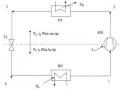
 Basic Refrigeration Refrigeration and Air Conditioning Engineering - Intermediate - Ha Nam Vocational College 2020 - 1
 -
 Obstetrics and Gynecology Traditional Medicine Part 2 - 8
 -
 Modern surgical medicine Part 2 - 1
 -
 Traditional Medicine Systems in Countries Around the World
 -
 Characteristics of Activities and Management Organization of Vietnam Academy of Traditional Medicine
- Provides water and electrolytes to the body. Uses:
- Dehydration due to diarrhea, dengue fever, severe vomiting... How to use - dosage:
- Mix 1 packet with 1 liter of drinking water during the day, use to drink instead of water during the day. Note:
- Use with caution for people with cardiovascular, liver, and kidney diseases with 5% glucose solution and 0.9% sodium chloride.
3.2 Biosubt y Origin :
- Made from live Bacillus subtilis , a type of bacteria that does not cause disease in humans and is non-toxic.
Effect:
- Restore intestinal bacteria due to antibiotic use. Uses:
- Diarrhea, digestive disorders.
- Colitis, chronic enteritis, children with loose stools. How to use, dosage
- Adults: drink 2 packs/day, mix with boiled water and let cool.
- Children: drink 1 packet / day, mix with boiled water and let cool.
Note : Do not take antibiotics or antibacterial sulfamides while taking the medicine.
3.3 Loperamide (Imodium, Lomedium) Effects:
- Inhibits intestinal motility, anti-secretion. Uses:
- Treatment of acute and chronic diarrhea. Dosage
- Acute diarrhea: start with 2 pills (2mg tablets), 4 hours later if diarrhea persists, take another pill.
- Chronic diarrhea: initial dose 2 tablets (2mg tablets).
Adjust until stool is thick, average 1 - 6 tablets/day.
As soon as the stool returns to normal, the dose should be gradually reduced. If constipation occurs, the drug should be stopped. Side effects:
- Rash, nausea, vomiting.
- Constipation, dry mouth Contraindications:
- Children < 8 years old.
- Pregnant in the first 3 months.
- Acute dysentery.
- Liver failure.
3.4 ATTAPULGIT. Effects:
- Protects the intestinal mucosa by covering the intestinal surface with a uniform membrane.
- Absorbs toxins, viruses, vapors, and intestinal irritants.
- Stops bleeding at the site and prevents bleeding when the intestine is irritated. Indication: treatment.
- Symptoms of acute and chronic colon disease accompanied by increased intestinal motility.
- Diarrhea with bloating. Dosage:
- Adults: take 2-3 packs/day.
- Children < 10kg take 1 packet/day, > 10kg take 2 packets/day. Side effects.
- Reduces absorption of some others. Contraindicated.
- Hypersensitivity to the drug.III. LAXISTANTS – CHOLITANTS
1. Salt bleach
- The effect of this type depends on the dose. Low doses have laxative and choleretic effects, high doses have purgative effects.
- Mechanism: Reduces water reabsorption in the intestine, increases intestinal secretion, especially stimulates intestinal motility.
- Commonly used drugs: Pharmaceutical magnesium sulfate, anhydrous or hydrated sodium sulfate.
2. Detergents.
- Types that have the effect of lubricating and softening stools, making bowel movements easier: paraffin oil, olive oil.
- Type that stimulates intestinal motility: castor oil.
3. Choleretic drugs
- Bile is necessary for the digestion and absorption of lipids, helps with the absorption of fat-soluble vitamins and also inhibits the growth of bacteria in the digestive tract.
Choleretic drugs are divided into 2 groups:
- Bile stimulants:
+ Artichoke.
+ Sodium sulfate.
+ Magnesium sulfate.
- Cholestatic drugs
+ Calorie.
+ Pharmaceutical magnesium sulfate.
+ Bilagil.
4. Commonly used drugs.
4.1 SORBITOL Properties:
- White powder, odorless, sweet and cool taste, easily soluble in water. Effect: as a
+ Increase bile secretion, laxative
+ Stimulates intestinal motility
+ Increased pancreatic secretion Indications:
- Slow digestion, bloating, cholecystitis
- Sequelae of biliary tract surgery
- Intestinal disorders: constipation, fat malabsorption
- Vomiting during pregnancy
- Gas retention, biliary obstruction, intestinal atony, etc. Caution:
- Avoid injection if intestinal obstruction is due to mechanical obstruction.
- The drug can be used for people with diabetes. How to use, dosage:
- Oral, intravenous
- Constipation: 5-10 g before meals
- IV: 1-3 tubes/day
- Dosage form: powder packet, syringe, solution bottle. Storage : cool, dry, sealed.
4.2 Lactulose (Duphalac). Effects :
- Treat constipation.
- High doses reduce blood ammonia levels in patients with hepatic encephalopathy. Uses:
- Treat constipation (can be used by pregnant women and children).
- Treatment of liver-related brain disease. Dosage:
- Treatment of constipation: adults take 1 - 3 packets (15ml packet = 10g) / day.
- TE depending on age ½ - 1 pack / day.
- Treatment of liver-related brain disease: drink 90 - 180ml / day. Side effects :
- Causes flatulence, cramps, nausea, diarrhea (high doses).
Contraindications:
- Abdominal pain of unknown cause.
- Ulcerative colitis.
- Patients on a galactose diet.
4.2 Anethol Trithion (Sulfarlem). Effects:
- Stimulates liver cells to increase bile secretion. Uses:
- Digestive disorders, indigestion.
- Decreased salivation due to drugs, radiation therapy, old age. Dosage:
- Adults: 1 - 2 tablets (25mg tablets) x 3 times / day, take 30 minutes before meals.
- Children: (6 - 15 years old) 2 - 3 tablets / day. Contraindications:
- Biliary obstruction (bile duct obstruction, gallstones). Note:
- Use medication to darken urine color. EVALUATION.
CHOOSE THE MOST CORRECT SENTENCE.
1. Stomach pain medication causes constipation.
A. Cimetidine.
B. Aluminum hydroxide.
C. Mg(OH) 2 .
D. Nizatidine .
2. Stomach pain medication should be taken before breakfast.
A. Aluminum hydroxide.
B. Omeprazole .
C. Mg(OH) 2 .
D. Nizatidine .
3. Patients who use antacids without relief should use .
A. Sodium aluminum hydroxide.
B. Cimetidine .
C. Aluminum hydroxide.
D. Mg(OH) 2 .
4. Uses of Sulfalem.
A. Diarrhea, digestive disorders.
B. Constipation, digestive disorders.
C. Constipation, indigestion.