
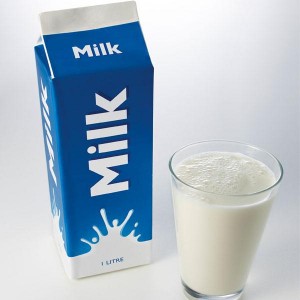
Figure 2.1.3.4. Fresh milk
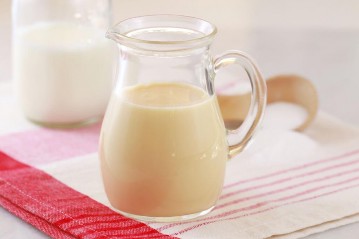
Condensed milk: nutritional value is not as good as fresh milk, powdered substances are added and condensed, so the amount of fresh milk is reduced so the price is also cheaper.
Maybe you are interested!
-

 Evaluation of the effect of DH fertilizer on growth, yield and quality of some fruit trees at Thai Nguyen University of Agriculture and Forestry - 2
 -
 Evaluation of the effect of DH fertilizer on growth, yield and quality of some fruit trees at Thai Nguyen University of Agriculture and Forestry - 1
 -
 Logical Framework Proposing Solutions for Safe Vegetable Development in Hanoi.
 -
 Research on mixing perfume from natural essential oils - 2
 -
 Dynamic study of cable lines transporting dragon fruit in the Southwest region - 20
Figure 2.1.3.5. Sweetened condensed milk
Powdered milk: Nutritional value is not less than fresh milk, maybe more. Made from fresh milk and other nutrients added.
2.1.4.2. Fresh milk cream (Cream):
Made from fresh milk, the fat is extracted. Thick, high fat content.
When buying cream, to know the quality, you should look at the expiration date, is it stored cool? Squeeze soft, no lumps, pour out thick, soft. When opening the bottle: white, smooth, even.
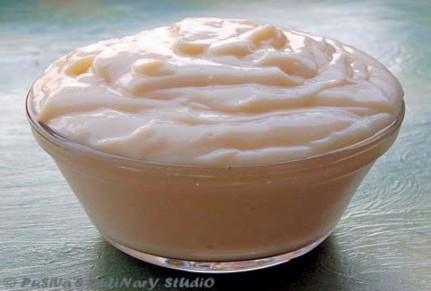
Figure 2.1.4.1 Syrup:
2.1.4.3. Fruit and vegetable juice
Concept: fruit juice is a type of juice made (squeezed, blended) from fruits such as oranges, grapes, lemons, tomatoes, apples, pineapples, bananas, grapefruits, etc., along with some accompanying ingredients such as sugar, salt, etc.
Preserve:
Should be kept refrigerated at around 10 o C
Canned fruit juice must be tightly sealed.
- Properties and effects:
Fruit juice has the characteristic flavor and aroma of each fruit.
High nutritional value because it contains many substances: carbohydrates, organic acids, water, minerals, vitamins.
The acid in fruit juice in appropriate amounts has a thirst-quenching effect.
Do not drink fruit juice mixed with sugar during meals because sugar quickly enters the blood, making the drinker feel full, inhibiting gastric juice secretion, making the drinker less appetizing. If you drink it after a meal, you will experience bloating and indigestion.
- Classification:
fresh fruit juice
Canned fruit juice
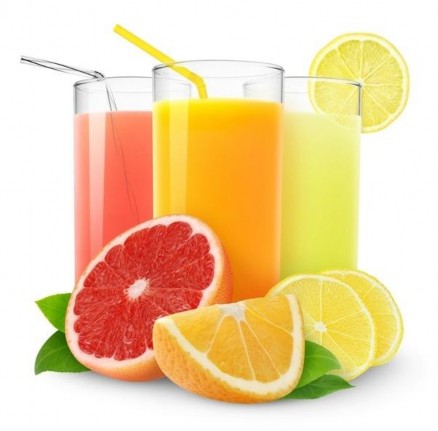
Figure 2.1.4.2. Fresh milk
2.1.5. Stimulant drinks
Stimulant drinks are drinks that contain substances such as caffeine (found in tea and coffee).
2.1.5.1. Tea:
Tea is a refreshing beverage, made from fresh tea leaves or mixed with tea buds and flowers.
Some popular types of tea today:
Green tea: unprocessed, retains its original flavor and stimulants.
Black tea: fully fermented, decomposes substances in tea leaves, light tea, low stimulants and no bitterness.
Oolong Tea: semi-fermented, partially decomposed.
Scented tea: tea scented with other flavors such as jasmine tea, lotus tea, etc.
Herbal tea: are other herbs and plants that are not tea plants but are processed or drunk like tea.
For example : artichoke tea, ginger tea, bitter melon tea,...
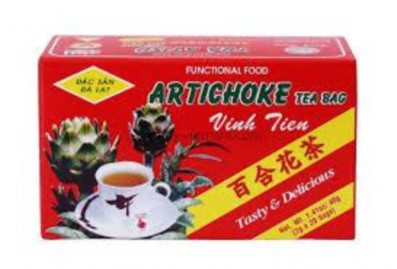
Figure 2.1.5.1. Artichoke tea
Properties of tea:
Tea contains caffeine that stimulates the nervous system, has a positive effect on the circulatory system and cardiovascular system. The effect of retaining water and salt in the blood, so tea has a thirst-quenching effect.
Green tea has anti-cancer properties, vitamins B, C, E which help reduce cholesterol, prevent the risk of heart attack, slow down the aging process, make the body more youthful, reduce the growth of bacteria and prevent tooth decay.
Teas are often processed in a dry, porous and scented form, so they easily absorb sound, foreign odors and also easily lose their inherent aroma.
When tea absorbs moisture it is prone to mold.
When placed near goods with strange odors such as coffee, cigarettes, scented soaps, etc., tea can easily lose its inherent aroma if not tightly packaged, or when placed next to goods that absorb strong odors.
Tea preservation:
Warehouse must be closed, dry, clean, walls or floor must have moisture-proof material.
Tea boxes must be placed on a shelf, not against the wall, not together with other items that easily absorb odors, moisture, etc.
Regularly check tea storage conditions.
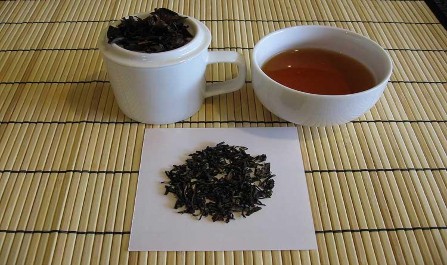
Figure 2.1.5.2. Green tea
2.1.5.2. Coffee:
Coffee is a beverage made from coffee beans, roasted coffee beans, mixed with some flavorings, ground into powder before brewing. Coffee contains caffeine which stimulates the nervous system, making the drinker very alert.
Classifying coffee according to processing method, people divide it into the following 3 types:
Instant coffee. Filter coffee
Coffee brewed by permeation filtration: steam passes through a tube and into the ground coffee in a filter. The coffee is separated in flavor and color.
Iced coffee.
Espresso coffee: Strong, dark black coffee, brewed with an Italian machine, served in a small cup. Macchiato coffee: Espresso coffee with a little fresh milk or milk foam.
Cappuccino coffee: espresso mixed with fresh milk, milk foam and sprinkled with chocolate powder on top, drunk in a large cup.
Mocha coffee: coffee mixed with chocolate
Irish coffee: coffee mixed with Irish coffee and cream. Decafeinated coffee: coffee without caffeine.
Café latte: 1 shot of espresso and 2 parts hot milk.
Liqueur coffee (coffee mixed with spirits or liqueur)…..
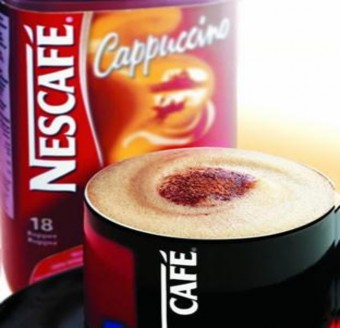
Figure 2.1.5.3. Coffee
2.1.5.3. Cocoa:
Chocolate, Milo, Ovantine,…
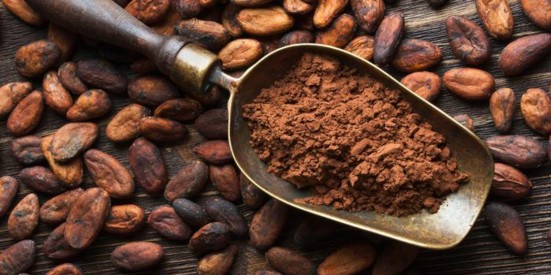
Figure 2.1.5.4. Cocoa
2.1.5.4. Energy drink:
Basically, the compounds that make up energy drinks all have certain effects.
to match the name "energy". The main ingredient in energy drinks is glucose, a sugar that creates calories. The second largest ingredient in energy drinks is caffeine, which helps create a feeling of hunger and stimulates appetite. Each can of energy drink contains 23-240 mg of caffeine.
Next are substances such as: Vitamin B5 acts on the nervous system and on the adrenal glands, so people also call it an anti-stress vitamin: Glucoronolactore - a type of glucose with detoxifying properties.
Ginkgo biloba extract from ginkgo leaves helps slow down the appearance of cases of confusion and insanity in the elderly. Ginseng helps you concentrate and activities that require physical strength, and nourishes the body in people who are tired and weak. Inositol, similar to B vitamins, helps the nervous system function well. Taurine helps stabilize brain cell membranes and helps the heart contract....
Are energy drinks good or bad?
With the essential substances contained in a can of energy drink, basically, this type of drink helps the drinker to be healthy, alert, and easily focused. But can we use it "carelessly" as a nutritious food?
The answer is no. Because energy drinks do not provide essential nutrients. They only provide empty calories, without essential nutrients. The refreshing ingredient of this drink is caffeine and the most valuable element of this drink is the high sugar content.
The empty calories of energy drinks make users feel full, not wanting to eat and not eating enough essential nutrients. The result is malnutrition, leading to malnutrition. Malnourished people are very susceptible to infections, especially tuberculosis (the rate of tuberculosis infection in Vietnam is 46%). On the contrary, people who drink a lot of energy drinks but still eat well are at high risk of obesity.
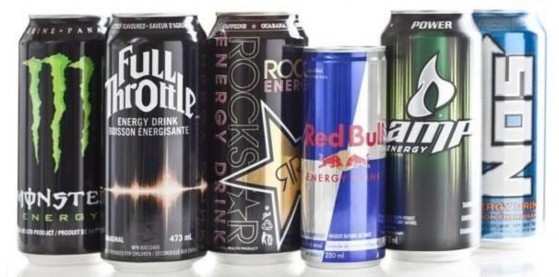
Figure 2.1.5.5. Water increases lc
2.1.6. Medicinal drinks
These are drinks that are produced not only for the purpose of quenching thirst but also to cure some common diseases.
In this group of drinks are: Mineral water, cooling tea, ginger tea, artichoke tea, ... wormwood, pennywort
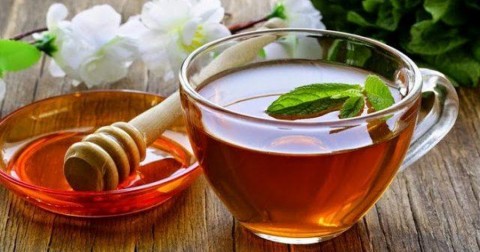
Figure 2.1.6. Honey
2.2. Alcoholic beverages
2.2.1. Concept of alcoholic beverages
Alcoholic beverages are beverages with an alcohol content of 5 to 50%, made by fermentation or fermentation methods and through distillation from fruit or vegetable ingredients.