
Type II diabetes
Hypertension
Free fatty acids Insulin resistance
Arterial stenosis Hypertension
Increased MCP-1 inflammation
Maybe you are interested!
-
 Some characteristics and risk factors of hearing loss in children from 2 to 5 years old in inner-city kindergartens in Hanoi - 1
 -
 General Comments on the Current Status of Credit Risk Management and Factors Affecting Credit Risk Management at Vpbank
 -
 The influence of factors belonging to bank characteristics on credit risk at Vietnamese commercial banks - 13
 -
 The Impact of Macroeconomic Factors on Credit Risk at Vietnamese Commercial Banks from 2007 to 2014
 -
 Factors affecting liquidity risk of Vietnamese state-owned commercial banks - 10
Thrombosis Plaque Platelet activation, Foam cells
Increased vascular smooth muscle 1L-1, 1L-6, ICAM coagulation
Atherosclerosis
Oxidative stress Increased CRP
↑ NO
↑ ET-1
↑ AT11
↑ NF-kB
↑ AP-1
↑ TF
↑ PAI-1
↑ NO
↑ adhesion molecule
↑ monocytes, LDL, foam cells
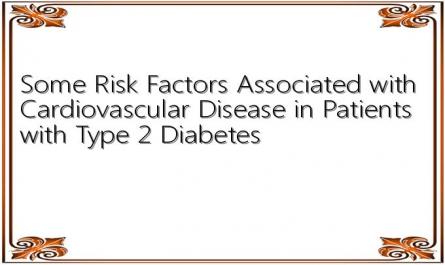
Figure 1. Mechanism of atherosclerosis in diabetic patients [44]
Due to the loss of the endothelium, the endothelium is no longer able to regulate the vascular wall tension. The vascular self-repair process then occurs to restore the stability of the vascular wall and thereby normalize the vascular wall pressure. Microvascular remodeling damage can occur very early in the disease [53].
It is believed that ischemic cardiomyopathy is caused by abnormalities in the coronary epicardial lumen, specifically atherosclerosis causing occlusion of the coronary lumen. However, some recent studies have shown that coronary microvascular dysfunction and remodeling may contribute to the progression of ischemic cardiomyopathy even in patients with normal coronary angiography [53].
1.3.3. Some risk factors related to cardiovascular disease in patients with type 2 diabetes
1.3.3.1. Age
The average human life expectancy has increased by 6 years over the past three decades, and will continue to increase in the future. Aging plays an important role because the older you are, the more time you are exposed to risk factors, and other age-related diseases such as dyslipidemia and diabetes increase the negative impact on the cardiovascular system [59]. Alonso et al.'s study showed that the rate of ischemic heart disease, stroke, and heart failure all increased every 5 years, when compared to the age range of 35 to 39 [17].
1.3.3.2. Dyslipidemia
It is hypothesized that lipoprotein A increases coagulation, inflammation, transport of proinflammatory oxidized phospholipids, and slows fibrinolysis. Although the mechanism of lipoprotein A-induced atherosclerosis is unclear, a well-supported hypothesis involves accumulation of cholesterol bound to lipoprotein A in the arterial lumen, inflammatory mediators, transport of proinflammatory oxidized phospholipids, slows fibrinolysis, and increases coagulation [42].
Research shows that there is clear evidence that high lipoprotein A levels are an independent predictor of cardiovascular disease in patients with type 2 diabetes, thereby recommending that in clinical practice, lipoprotein A levels should be checked for these patients to screen for cardiovascular disease [28].
Postprandial triglyceride concentrations are considered to be a more important cardiovascular risk factor than fasting triglyceride concentrations [60]. Hypertriglyceridemia is the main independent risk factor for coronary heart disease in studies of the role of dyslipidemia in cardiovascular pathogenesis in diabetic patients in the Southeast Asian and Western Pacific regions [26].
Studies have found that diabetic patients do not necessarily have higher LDL concentrations than normal people, but often have increased numbers of micro-LDL particles. These micro-LDL particles increase the risk of atherosclerosis as well as cardiovascular disease [50].
HDL has anti-inflammatory, antioxidant and cholesterol-removing roles in atherosclerotic plaques. Therefore, changes in the quantity and composition of HDL in diabetic patients are related to the formation and development of atherosclerotic plaques [60]. Previously, it was thought that high HDL levels reduce the risk of cardiovascular disease, but recent studies have shown that high HDL levels are not always beneficial [38].
According to the National Cholesterol Education Program in the US and the National Cholesterol Education Program Adult Treatment Panel III (NCEP ATP III), LDL control is the main goal in blood lipid control to prevent cardiovascular diseases. In Vietnam, the Department of Medical Examination and Treatment of the Ministry of Health sets the goal of treating dyslipidemia in diabetic patients as controlling LDL < 100 mg/dL if there are no cardiovascular complications and < 70 mg/dL if there are cardiovascular complications.
1.3.3.3. Obesity
Obesity has long been recognized as an independent risk factor for cardiovascular disease. In general, the BMI for overweight ranges from 25 to 29.9 kg/m 2 , and over 30 kg/m 2 is considered obese. For Asians, this index is lower, ranging from 23 to 24 kg/m 2 . Increased adipose tissue accumulation in the body requires the formation of more new blood vessels, thereby activating genes related to increased angiogenesis, glucose metabolism, cellular oxidative stress, and increased inflammation [74]. In addition, it is thought that weight loss is associated with a decrease in TNF and CRP, along with an increase in adiponectin, which increases insulin sensitivity and reduces cardiovascular risk [23].
1.3.3.4. Hypertension
Hypertension is common in patients with diabetes and is a major risk factor for cardiovascular disease. Patients with diabetes and hypertension have significantly more microvascular and macrovascular complications than patients without hypertension [80].
Blood pressure control plays a particularly important role in preventing cardiovascular complications in diabetic patients [86]. In 2017, the American Heart Association and the American College of Cardiology (AHA/ACC) issued recommendations in patients
Patients with diabetes and hypertension should be treated with antihypertensive drugs along with lifestyle changes, with the treatment goal of reducing blood pressure to below 130/80 mmHg, as appropriate for each patient [83].
1.3.3.5. Smoking
Studies have shown that people exposed to passive smoking have an increased risk of cardiovascular disease, microvascular complications, and reduced life expectancy. Conversely, smoking cessation significantly reduces microalbuminuria, blood pressure, dyslipidemia, and insulin resistance [44]. Pan (2015) concluded that active smoking significantly increases the risk of cardiovascular events and mortality in patients with diabetes, while smoking cessation has a positive effect [67].
1.3.3.6. Blood sugar control
Hyperglycemia increases the production of advanced glycation end products, which affect the vascular endothelium and surface expression of adhesion molecules, increase the recruitment of monocytes and macrophages to the subatherosclerotic plaque, and increase cytokine release. Furthermore, advanced glycation end products increase endothelin-1 and decrease nitric oxide, thereby increasing vasoconstriction and decreasing vasodilation [73].
1.3.3.7. CRP
In fact, in diseases such as obesity and type 2 diabetes, circulating levels of inflammatory markers such as CRP, TNF, and interleukin-6 are increased. These chemicals cause vascular endothelial dysfunction by increasing the production of reactive oxygen species and decreasing nitric oxide activity [53]. A study by Cardoso et al. showed that baseline and second-year CRP levels above 3.0 mg/L were strongly associated with the occurrence of cardiovascular events in patients with type 2 diabetes [25].
1.4. Framingham 10-year cardiovascular disease risk score
1.4.1. Introduction
The Framingham risk score is a commonly used score in cardiovascular disease research, originating from the Framingham study, introduced in 1998.
The study began in October 1948. Between 1948 and 1952, 5,209 men and women aged 30 to 62 from Framingham, Massachusetts, with no previous history of cardiovascular disease, were enrolled, with data collected on personal and family histories, physical examinations, ECGs, and blood and urine samples. Over the following decades, volunteers continued to be followed for clinical and laboratory parameters, primarily related to atherosclerosis. Since then, the study has continued with additional cohorts. In 1971, studies were conducted on 5124 offspring of previous volunteers (Framingham Offspring Study), in 1994 on the Omni 1 group, and in 2002, studies on 4095 people who were the third generation of these volunteers (Framingham Third-Generation Study), with the aim of evaluating the role of genetic factors in cardiovascular disease and other cardiovascular diseases, and studying related factors. In 2003, studies on couples and the Omni 2 cohort were conducted [47].
The initial risk factors were total cholesterol, blood pressure, smoking status and obesity. Over time, the authors developed the Framingham score based on factors such as age, sex, smoking, blood pressure (systolic, diastolic), total cholesterol, HDL, diabetes status. Score the risk factors and stratify low risk, medium risk and high risk of coronary heart disease in the next 10 years. In 2001, NCEP - ATP III introduced the improved Framingham score based on data from the Framingham Heart Study, assessing the risk of coronary heart disease with or without death after 10 years, risk stratification and treatment goals for each level. This score is calculated based on 5 main cardiovascular risk factors: age, gender, hypertension, total cholesterol, HDL-cholesterol, smoking, for each factor there is a separate score then calculates the total and estimates the 10-year risk of coronary artery disease [13].
In 2018, the Framingham study introduced a 10-year risk estimator for atherosclerotic cardiovascular disease, estimating the risk of death from coronary heart disease, myocardial infarction, coronary artery disease, angina, and stroke due to ischemia.
ischemic stroke, hemorrhagic stroke, transient ischemic attack, peripheral arterial disease, heart failure based on Pooled Cohort Equations. Risk factors were age, BMI, diabetes status, smoking status, treated and untreated systolic blood pressure, total cholesterol, HDL.
1.4.2. Meaning
The AHA 2018 cholesterol and 2017 hypertension guidelines recommend the use of 10-year cardiovascular risk estimation tools based on traditional risk factors as a first step in selecting prevention strategies for atherosclerotic cardiovascular disease [12]. In 2018, the AHA/ACC recommended the use of a 10-year atherosclerotic cardiovascular mortality risk score to guide cardiovascular risk reduction strategies for patients [24].
Based on the study by D'Agostino et al. in 2008, using Cox regression model to estimate cardiovascular disease risk in 8491 volunteers in the Framingham study aged 30 to 74 years and without cardiovascular disease. After more than 12 years of continuous follow-up, 1174 of them had their first cardiovascular event. All traditional risk factors predicted cardiovascular risk with multivariate adjusted p < 0.0001 [32].
This score is best applied to African Americans and non-Hispanic whites, but it is recommended for all races to provide an early estimate of the risk of fatal cardiovascular disease in the first 10 years, thereby building a patient's prevention plan and necessary lifestyle changes [12].
1.4.3. Calculation method
The Framingham 10-year cardiovascular disease risk score is used to assess the 10-year risk of cardiovascular disease including fatal coronary heart disease, myocardial infarction, coronary artery disease, angina pectoris, ischemic stroke, hemorrhagic stroke, transient ischemic attack, peripheral arterial disease, and heart failure.
Select the male or female table, from the parameters of age, HDL concentration, systolic blood pressure (SBP), smoking status and diabetes to calculate a score and from the score will divide the risk of cardiovascular disease in 10 years. From the measurement , the risk level is assessed as follows : Very high: over 30%. High: 20 to 30%. Moderate : 10 to 20%. Low: under 10 % [32] [39].
1.4.4. Status of cardiovascular disease research using the Framingham score
In 2015, Park and Kim conducted a study applying the Framingham cardiovascular risk prediction score and compared the Framingham model with the Korean cardiovascular risk prediction model on 57,393 Korean volunteers and concluded that the Framingham score can be applied to Asians and predict future cardiovascular events regardless of genetic and lifestyle differences [68]. Goh et al. conducted a prospective study on 4,487 Australian female volunteers and found that the Framingham model overestimated the risk of cardiovascular death, but the Hosmer-Lemeshow test showed that the adjusted score was appropriate for predicting the 10-year risk of cardiovascular death in the Australian population [41].
In Vietnam, there have not been many studies on the Framingham score to predict the risk of cardiovascular disease. In 2019, Do Thi Quynh and colleagues applied the Framingham score to assess the risk of cardiovascular disease on 306 office workers in Hanoi and found that the risk of cardiovascular disease increased when considering additional risk factors [5]. In 2021, Vu Van Nga studied a group of type 2 diabetes patients and found that the majority of patients were in the very high risk group (accounting for 41.7%), high risk (17.3%) [8]. Tran Thua Nguyen's study (2021) on 302 type 2 diabetes patients found that the rate of cardiovascular risk factors in type 2 diabetes patients was still quite high [6].
1.5. WHO/ISH 10-year cardiovascular disease risk score
1.5.1. Introduction
For low- and middle-income countries, tests are often inadequate to assess cardiovascular risk, so in 2002, WHO introduced assessment parameters based only on history, blood pressure and blood tests.
selective urine testing [63]. In 2007, WHO published guidelines for cardiovascular risk assessment for low- and middle-income countries, which have the advantage of being applicable even in situations where sophisticated tests are not available for other specialized cardiovascular risk assessment tools. It can also be used in countries where a specific risk assessment tool has not been developed [61]. In 2011, the European Society of Hypertension established a working group to review cardiovascular risk assessment strategies in studies in low- and middle-income countries, identify limitations and advantages, and propose future studies [63]. In 2012, WHO released an updated cardiovascular risk assessment tool for all populations worldwide, including versions with and without serum cholesterol levels. The remaining risk scoring factors include age, gender, blood pressure, smoking status, and diabetes.
These charts provide an approximate estimate of cardiovascular risk in people without coronary heart disease, stroke, or other atherosclerosis. They are considered a tool to help identify people at high cardiovascular risk, thereby helping to change the patient's behavior, lifestyle, and when to use blood pressure-lowering, lipid-lowering drugs and aspirin.
1.5.2. Calculation method
The WHO/ISH nomogram by epidemiological subregion was used to estimate the total 10-year risk of cardiovascular disease. Factors such as age, sex, smoking status, SBP, presence or absence of diabetes, and total serum cholesterol were used to calculate the total risk of cardiovascular disease. The nomogram divides an individual into low (<10%), moderate (10% to <20%), high (20% to <30%), and very high (>30%) risk groups [91] .
1.5.3. Status of cardiovascular disease research using the WHO/ISH score
From 2017 to 2018, Deori et al. used the WHO/ISH score to assess cardiovascular risk for 397 residents of Lucknow, India, and concluded that this chart could be used to predict cardiovascular risk in