
Fire prevention at the establishments has been relatively well implemented. Many newly put into operation tourist accommodation establishments have focused on investing in new, synchronous and complete facilities and equipment. The establishments have publicly and clearly posted and announced room rates, food service prices and other types of services. However, there are still some inspected accommodation establishments that have not met the conditions stipulated in Circular No. 88/2008/TT-BVHTTDL dated December 30, 2008 of the Ministry of Culture, Sports and Tourism, such as: Professional qualifications and tourism skills of service staff are still low, not suitable to the standards for classifying accommodation establishments. Means and equipment for collecting and classifying solid waste and hazardous waste are not in accordance with regulations, not ensuring aesthetics and environment...
Currently, there are over 30 travel agencies in the province; through inspections of a number of agencies, most of them have complied with regulations on business registration; operated in accordance with the business lines stated in the license and properly implemented insurance contracts for tourists. Up to now, there have been no cases of tourists complaining about travel agencies.
The limitation of travel agencies is that the records and information of tourist groups at some agencies are not complete according to regulations. Some travel agencies do not pay attention to the training of tour guides. The offices, equipment and facilities at some travel agencies are not commensurate with the conditions of travel business operations.
In addition, the city established a Steering Committee for Tourism Development headed by the Vice Chairman of the City People's Committee, the Director of the Department of Tourism as the Standing Deputy Head, and members who are leaders of relevant departments and branches. In addition, the Department of Culture and Sports coordinated with the Department of Tourism to strengthen inspection, review, and re-evaluate accommodation establishments; issue certificates of meeting tourist service standards for 15 restaurants and 3 shopping establishments in Cat Ba and Do Son tourist areas. At the same time, in coordination with Cat Ba district,
Maybe you are interested!
-
 Solutions for tourism development in Tien Lang - 10
zt2i3t4l5ee
zt2a3gstourism, tourism development
zt2a3ge
zc2o3n4t5e6n7ts
- District People's Committees and authorities of communes with tourist attractions should support, promote, and provide necessary information to people, helping them improve their knowledge about tourism. Raise tourism awareness for local people.
*
* *
Due to limited knowledge and research time, the thesis inevitably has shortcomings. Therefore, I look forward to receiving guidance from teachers, experts as well as your comments to make the thesis more complete.
Chapter III Conclusion
Through the issues presented in Chapter II, we can come to some conclusions:
Based on the strengths of available tourism resources, the types of tourism in Tien Lang that need to be promoted in the coming time are sightseeing and resort tourism, discovery tourism, weekend tourism. To improve the quality and diversify tourism products, Tien Lang district needs to combine with local cultural tourism resources, at the same time combine with surrounding areas, build rich tourism products. The strengths of Tien Lang tourism are eco-tourism and cultural tourism, so developing Tien Lang tourism must always go hand in hand with restoring and preserving types of cultural tourism resources. Some necessary measures to support and improve the efficiency of exploiting tourism resources in Tien Lang are: strengthening the construction of technical facilities and labor force serving tourism, actively promoting and advertising tourism, and expanding forms of capital mobilization for tourism development.
CONCLUDE
I Conclusion
1. Based on the results achieved within the framework of the thesis's needs, some basic conclusions can be drawn as follows:
Tien Lang is a locality with great potential for tourism development. The relatively abundant cultural tourism resources and ecological tourism resources have great appeal to tourists. Based on this potential, Tien Lang can build a unique tourism industry that is competitive enough with other localities within Hai Phong city and neighboring areas.
In recent years, the exploitation of the advantages of resources to develop tourism and build tourist routes in Tien Lang has not been commensurate with the available potential. In terms of quantity, many resource objects have not been brought into the purpose of tourism development. In terms of time, the regular service time has not been extended to attract more visitors. Infrastructure and technical facilities are still weak. The labor force is still thin and weak in terms of expertise. Tourism programs and routes have not been organized properly, the exploitation content is still monotonous, so it has not attracted many visitors. Although resources have not been mobilized much for tourism development, they are facing the risk of destruction and degradation.
2. Based on the results of investigation, analysis, synthesis, evaluation and selective absorption of research results of related topics, the thesis has proposed a number of necessary solutions to improve the efficiency of exploiting tourism resources in Tien Lang such as: promoting the restoration and conservation of tourism resources, focusing on investment and key exploitation of ecotourism resources, strengthening the construction of infrastructure and tourism workforce. Expanding forms of capital mobilization. In addition, the thesis has built a number of tourist routes of Hai Phong in which Tien Lang tourism resources play an important role.
Exploiting Tien Lang tourism resources for tourism development is currently facing many difficulties. The above measures, if applied synchronously, will likely bring new prospects for the local tourism industry, contributing to making Tien Lang tourism an important economic sector in the district's economic structure.
REFERENCES
1. Nhuan Ha, Trinh Minh Hien, Tran Phuong, Hai Phong - Historical and cultural relics, Hai Phong Publishing House, 1993
2. Hai Phong City History Council, Hai Phong Gazetteer, Hai Phong Publishing House, 1990.
3. Hai Phong City History Council, History of Tien Lang District Party Committee, Hai Phong Publishing House, 1990.
4. Hai Phong City History Council, University of Social Sciences and Humanities, VNU, Hai Phong Place Names Encyclopedia, Hai Phong Publishing House. 2001.
5. Law on Cultural Heritage and documents guiding its implementation, National Political Publishing House, Hanoi, 2003.
6. Tran Duc Thanh, Lecture on Tourism Geography, Faculty of Tourism, University of Social Sciences and Humanities, VNU, 2006
7. Hai Phong Center for Social Sciences and Humanities, Some typical cultural heritages of Hai Phong, Hai Phong Publishing House, 2001
8. Nguyen Ngoc Thao (editor-in-chief, Tourism Geography, Hai Phong Publishing House, two volumes (2001-2002)
9. Nguyen Minh Tue and group of authors, Hai Phong Tourism Geography, Ho Chi Minh City Publishing House, 1997.
10. Nguyen Thanh Son, Hai Phong Tourism Territory Organization, Associate Doctoral Thesis in Geological Geography, Hanoi, 1996.
11. Decision No. 2033/QD – UB on detailed planning of Tien Lang town, Hai Phong city until 2020.
12. Department of Culture, Information, Hai Phong Museum, Hai Phong relics
- National ranked scenic spot, Hai Phong Publishing House, 2005. 13. Tien Lang District People's Committee, Economic Development Planning -
Culture - Society of Tien Lang district to 2010.
14.Website www.HaiPhong.gov.vn
APPENDIX 1
List of national ranked monuments
STT
Name of the monument
Number, year of decisiondetermine
Location
1
Gam Temple
938 VH/QĐ04/08/1992
Cam Khe Village- Toan Thang commune
2
Doc Hau Temple
9381 VH/QĐ04/08/1992
Doc Hau Village –Toan Thang commune
3
Cuu Doi Communal House
3207 VH/QĐDecember 30, 1991
Zone II of townTien Lang
4
Ha Dai Temple
938 VH/QĐ04/08/1992
Ha Dai Village –Tien Thanh commune
APPENDIX II
STT
Name of the monument
Number, year of decision
Location
1
Phu Ke Pagoda Temple
178/QD-UBJanuary 28, 2005
Zone 1 - townTien Lang
2
Trung Lang Temple
178/QD-UBJanuary 28, 2005
Zone 4 – townTien Lang
3
Bao Khanh Pagoda
1900/QD-UBAugust 24, 2006
Nam Tu Village -Kien Thiet commune
4
Bach Da Pagoda
1792/QD-UB11/11/2002
Hung Thang Commune
5
Ngoc Dong Temple
177/QD-UBNovember 27, 2005
Tien Thanh Commune
6
Tomb of Minister TSNhu Van Lan
2848/QD-UBSeptember 19, 2003
Nam Tu Village -Kien Thiet commune
7
Canh Son Stone Temple
2160/QD-UBSeptember 19, 2003
Van Doi Commune –Doan Lap
8
Meiji Temple
2259/QD-UBSeptember 19, 2002
Toan Thang Commune
9
Tien Doi Noi Temple
477/QD-UBSeptember 19, 2005
Doan Lap Commune
10
Tu Doi Temple
177/QD-UBJanuary 28, 2005
Doan Lap Commune
11
Duyen Lao Temple
177/QD-UBJanuary 28, 2005
Tien Minh Commune
12
Dinh Xuan Uc Pagoda
177/QD-UBJanuary 28, 2005
Bac Hung Commune
13
Chu Khe Pagoda
177/QD-UBJanuary 28, 2005
Hung Thang Commune
14
Dong Dinh
2848/QD-UBNovember 21, 2002
Vinh Quang Commune
15
President's Memorial HouseTon Duc Thang
177/QD-UBJanuary 28, 2005
NT Quy Cao
Ha Dai Temple
Ben Vua Temple
Tien Lang hot spring
div.maincontent .p { color: black; font-family:"Times New Roman", serif; font-style: normal; font-weight: normal; text-decoration: none; font-size: 14pt; margin:0pt; } div.maincontent p { color: black; font-family:"Times New Roman", serif; font-style: normal; font-weight: normal; text-decoration: none; font-size: 14pt; margin:0pt; } div.maincontent .s1 { color: black; font-family:"Times New Roman", serif; font-style: normal; font-weight: normal; font-size: 16pt; } div.maincontent .s2 { color: black; font-family:"Times New Roman", serif; font-style: italic; font-weight: bold; text-decoration: none; font-size: 14pt; } div.maincontent .s3 { color: black; font-family:"Times New Roman", serif; font-style: italic; font-weight: normal; text-decoration: none; font-size: 14pt; } div.maincontent .s4 { color: black; font-family:"Times New Roman", serif; font-style: normal; font-weight: normal; font-size: 14pt; } div.maincontent .s5 { color: black; font-family:"Times New Roman", serif; font-style: normal; font-weight: bold; font-size: 14pt; } div.maincontent .s6 { color: black; font-family:"Times New Roman", serif; font-style: normal; font-weight: normal; text-decoration: none; font-size: 14pt; } div.maincontent .s7 { color: black; font-family:"Times New Roman", serif; font-style: normal; font-weight: bold; text-decoration: none; font-size: 14pt; } div.maincontent .s8 { color: black; font-family:"Times New Roman", serif; font-style: normal; font-weight: normal; text-decoration: none; font-size: 9pt; vertical-align: 6pt; } div.maincontent .s9 { color: black; font-family:"Times New Roman", serif; font-style: normal; font-weight: bold; text-decoration: none; font-size: 12pt; } div.maincontent .s11 { color: black; font-family:"Times New Roman", serif; font-style: normal; font-weight: normal; tex
Solutions for tourism development in Tien Lang - 10
zt2i3t4l5ee
zt2a3gstourism, tourism development
zt2a3ge
zc2o3n4t5e6n7ts
- District People's Committees and authorities of communes with tourist attractions should support, promote, and provide necessary information to people, helping them improve their knowledge about tourism. Raise tourism awareness for local people.
*
* *
Due to limited knowledge and research time, the thesis inevitably has shortcomings. Therefore, I look forward to receiving guidance from teachers, experts as well as your comments to make the thesis more complete.
Chapter III Conclusion
Through the issues presented in Chapter II, we can come to some conclusions:
Based on the strengths of available tourism resources, the types of tourism in Tien Lang that need to be promoted in the coming time are sightseeing and resort tourism, discovery tourism, weekend tourism. To improve the quality and diversify tourism products, Tien Lang district needs to combine with local cultural tourism resources, at the same time combine with surrounding areas, build rich tourism products. The strengths of Tien Lang tourism are eco-tourism and cultural tourism, so developing Tien Lang tourism must always go hand in hand with restoring and preserving types of cultural tourism resources. Some necessary measures to support and improve the efficiency of exploiting tourism resources in Tien Lang are: strengthening the construction of technical facilities and labor force serving tourism, actively promoting and advertising tourism, and expanding forms of capital mobilization for tourism development.
CONCLUDE
I Conclusion
1. Based on the results achieved within the framework of the thesis's needs, some basic conclusions can be drawn as follows:
Tien Lang is a locality with great potential for tourism development. The relatively abundant cultural tourism resources and ecological tourism resources have great appeal to tourists. Based on this potential, Tien Lang can build a unique tourism industry that is competitive enough with other localities within Hai Phong city and neighboring areas.
In recent years, the exploitation of the advantages of resources to develop tourism and build tourist routes in Tien Lang has not been commensurate with the available potential. In terms of quantity, many resource objects have not been brought into the purpose of tourism development. In terms of time, the regular service time has not been extended to attract more visitors. Infrastructure and technical facilities are still weak. The labor force is still thin and weak in terms of expertise. Tourism programs and routes have not been organized properly, the exploitation content is still monotonous, so it has not attracted many visitors. Although resources have not been mobilized much for tourism development, they are facing the risk of destruction and degradation.
2. Based on the results of investigation, analysis, synthesis, evaluation and selective absorption of research results of related topics, the thesis has proposed a number of necessary solutions to improve the efficiency of exploiting tourism resources in Tien Lang such as: promoting the restoration and conservation of tourism resources, focusing on investment and key exploitation of ecotourism resources, strengthening the construction of infrastructure and tourism workforce. Expanding forms of capital mobilization. In addition, the thesis has built a number of tourist routes of Hai Phong in which Tien Lang tourism resources play an important role.
Exploiting Tien Lang tourism resources for tourism development is currently facing many difficulties. The above measures, if applied synchronously, will likely bring new prospects for the local tourism industry, contributing to making Tien Lang tourism an important economic sector in the district's economic structure.
REFERENCES
1. Nhuan Ha, Trinh Minh Hien, Tran Phuong, Hai Phong - Historical and cultural relics, Hai Phong Publishing House, 1993
2. Hai Phong City History Council, Hai Phong Gazetteer, Hai Phong Publishing House, 1990.
3. Hai Phong City History Council, History of Tien Lang District Party Committee, Hai Phong Publishing House, 1990.
4. Hai Phong City History Council, University of Social Sciences and Humanities, VNU, Hai Phong Place Names Encyclopedia, Hai Phong Publishing House. 2001.
5. Law on Cultural Heritage and documents guiding its implementation, National Political Publishing House, Hanoi, 2003.
6. Tran Duc Thanh, Lecture on Tourism Geography, Faculty of Tourism, University of Social Sciences and Humanities, VNU, 2006
7. Hai Phong Center for Social Sciences and Humanities, Some typical cultural heritages of Hai Phong, Hai Phong Publishing House, 2001
8. Nguyen Ngoc Thao (editor-in-chief, Tourism Geography, Hai Phong Publishing House, two volumes (2001-2002)
9. Nguyen Minh Tue and group of authors, Hai Phong Tourism Geography, Ho Chi Minh City Publishing House, 1997.
10. Nguyen Thanh Son, Hai Phong Tourism Territory Organization, Associate Doctoral Thesis in Geological Geography, Hanoi, 1996.
11. Decision No. 2033/QD – UB on detailed planning of Tien Lang town, Hai Phong city until 2020.
12. Department of Culture, Information, Hai Phong Museum, Hai Phong relics
- National ranked scenic spot, Hai Phong Publishing House, 2005. 13. Tien Lang District People's Committee, Economic Development Planning -
Culture - Society of Tien Lang district to 2010.
14.Website www.HaiPhong.gov.vn
APPENDIX 1
List of national ranked monuments
STT
Name of the monument
Number, year of decisiondetermine
Location
1
Gam Temple
938 VH/QĐ04/08/1992
Cam Khe Village- Toan Thang commune
2
Doc Hau Temple
9381 VH/QĐ04/08/1992
Doc Hau Village –Toan Thang commune
3
Cuu Doi Communal House
3207 VH/QĐDecember 30, 1991
Zone II of townTien Lang
4
Ha Dai Temple
938 VH/QĐ04/08/1992
Ha Dai Village –Tien Thanh commune
APPENDIX II
STT
Name of the monument
Number, year of decision
Location
1
Phu Ke Pagoda Temple
178/QD-UBJanuary 28, 2005
Zone 1 - townTien Lang
2
Trung Lang Temple
178/QD-UBJanuary 28, 2005
Zone 4 – townTien Lang
3
Bao Khanh Pagoda
1900/QD-UBAugust 24, 2006
Nam Tu Village -Kien Thiet commune
4
Bach Da Pagoda
1792/QD-UB11/11/2002
Hung Thang Commune
5
Ngoc Dong Temple
177/QD-UBNovember 27, 2005
Tien Thanh Commune
6
Tomb of Minister TSNhu Van Lan
2848/QD-UBSeptember 19, 2003
Nam Tu Village -Kien Thiet commune
7
Canh Son Stone Temple
2160/QD-UBSeptember 19, 2003
Van Doi Commune –Doan Lap
8
Meiji Temple
2259/QD-UBSeptember 19, 2002
Toan Thang Commune
9
Tien Doi Noi Temple
477/QD-UBSeptember 19, 2005
Doan Lap Commune
10
Tu Doi Temple
177/QD-UBJanuary 28, 2005
Doan Lap Commune
11
Duyen Lao Temple
177/QD-UBJanuary 28, 2005
Tien Minh Commune
12
Dinh Xuan Uc Pagoda
177/QD-UBJanuary 28, 2005
Bac Hung Commune
13
Chu Khe Pagoda
177/QD-UBJanuary 28, 2005
Hung Thang Commune
14
Dong Dinh
2848/QD-UBNovember 21, 2002
Vinh Quang Commune
15
President's Memorial HouseTon Duc Thang
177/QD-UBJanuary 28, 2005
NT Quy Cao
Ha Dai Temple
Ben Vua Temple
Tien Lang hot spring
div.maincontent .p { color: black; font-family:"Times New Roman", serif; font-style: normal; font-weight: normal; text-decoration: none; font-size: 14pt; margin:0pt; } div.maincontent p { color: black; font-family:"Times New Roman", serif; font-style: normal; font-weight: normal; text-decoration: none; font-size: 14pt; margin:0pt; } div.maincontent .s1 { color: black; font-family:"Times New Roman", serif; font-style: normal; font-weight: normal; font-size: 16pt; } div.maincontent .s2 { color: black; font-family:"Times New Roman", serif; font-style: italic; font-weight: bold; text-decoration: none; font-size: 14pt; } div.maincontent .s3 { color: black; font-family:"Times New Roman", serif; font-style: italic; font-weight: normal; text-decoration: none; font-size: 14pt; } div.maincontent .s4 { color: black; font-family:"Times New Roman", serif; font-style: normal; font-weight: normal; font-size: 14pt; } div.maincontent .s5 { color: black; font-family:"Times New Roman", serif; font-style: normal; font-weight: bold; font-size: 14pt; } div.maincontent .s6 { color: black; font-family:"Times New Roman", serif; font-style: normal; font-weight: normal; text-decoration: none; font-size: 14pt; } div.maincontent .s7 { color: black; font-family:"Times New Roman", serif; font-style: normal; font-weight: bold; text-decoration: none; font-size: 14pt; } div.maincontent .s8 { color: black; font-family:"Times New Roman", serif; font-style: normal; font-weight: normal; text-decoration: none; font-size: 9pt; vertical-align: 6pt; } div.maincontent .s9 { color: black; font-family:"Times New Roman", serif; font-style: normal; font-weight: bold; text-decoration: none; font-size: 12pt; } div.maincontent .s11 { color: black; font-family:"Times New Roman", serif; font-style: normal; font-weight: normal; tex -
 Theory of Promoting Cultural Heritage Values in Community Tourism Development
 -
 Group of Solutions for Preserving and Promoting Traditional Cultural Values
 -
 The impact of foreign culture on the business activities of Vietnamese enterprises and the direction of absorbing international cultural values combined with traditional values to enhance competitiveness in the integration period - 13
 -
 Promoting traditional family values in building cultural families in the Red River Delta today - 2
Hai, Do Son district organized training courses on tourist services for accommodation establishments; inspected tourist services, rescue work at beaches. Through inspection, the industry discovered and reminded localities to strengthen solutions to ensure safety for tourists, promptly overcome some shortcomings of units such as participating in rescue work at beaches; managing and guiding tourists.
2.3.5. Promoting and exploiting marine cultural values for tourism
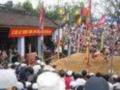
The value of the cultural heritage of Cat Hai island is expressed in the life, activities and artistic expressions such as festivals, performances, games... forms of worship, singing to worship gods, singing in festivals... are favorable environments for the emergence, creation and transmission of unique folk art values. Singing to worship gods, singing combined with dance... are common forms of ritual singing in every occasion of worshiping gods. In the festival, there are also opera singing, sea singing and river singing, male-female antiphonal singing; skillful games; Boat racing, basket-shaking, wrestling, stilt-walking, squid fishing, bamboo-catching, net weaving... take place vibrantly. It is a large-scale "stage", open space, everyone participates in creating, performing and enjoying culture equally, together multiplying the joy of empathy, meeting the needs of spiritual life, while having the function of entertainment, educating traditional culture and aesthetics, contributing to building people who are increasingly perfect in body and soul.
Residents of coastal villages have been living in the water environment for generations, they consider “the ocean as their mother, the sail as their father”. They are aware of the great benefits that the sea brings to the lives of each person. Through experience, they gradually accumulate valuable experiences in their livelihood and the challenging journey in the living environment. They observe: “Looking at the sky, looking at the land, looking at the clouds/ looking at the rain, looking at the sun, looking at the day,
"watching the night" to find the law of the sea, sky, rivers and waters, working hard: " One day, two weeks of fishing / The boat, the net, you and I, to have abundant results: Going to the river, you will meet a pile / Going to the sea, you will meet a purple".
Over time, the cultural heritage of Cat Hai island has crystallized into values, reflecting the soul, determination and temperament of people at the forefront of the wind and waves, becoming the luggage and motivation to help people reach out and build an increasingly better and prosperous life. In order for the cultural heritage of Cat Hai district to become a driving force for socio-economic development, helping to strengthen fishermen to stick to the sea to get rich and protect the sovereignty of the homeland's sea and islands, and promote the increasingly large image of the homeland, Cat Hai district has implemented the following solutions:
Organize the publication of products: Books, photos, video tapes, audio tapes, introduce on the Internet, open websites with topics to meet the needs of learning and enjoying marine culture for domestic and foreign tourists, for the young generation of the district to understand their homeland.
Demonstrating the process of making Cat Hai fish sauce, a brand of the sand island, for tourists to watch and enjoy at meals so that visitors can experience it; showing documentary films, video tapes and using still images of cultural relic clusters.
- In the activities of the cultural tourism week in Vietnam, the district carries out such activities as providing publications, performing traditional cultural and artistic activities, introducing and displaying the unique cultural features of the islands here such as the Xa Ma festival at Hoang Chau communal house in the 6th lunar month, Cat Ba fishing village festival on April 1st every year...
- Organize for the district's delegations to participate in cultural and tourism exhibitions in the district or other provinces and cities. The Organizing Committee often introduces typical dishes and products made from the sea.
Through manual processing, it creates opportunities for tourists to enjoy, evaluate and comment.
- Reportage films and promotional films about the tourism potential of the island district and the city are invested in by the tourism industry to be broadcast on Hai Phong Television, Vietnam Television, VTC Digital Television; foreign news agencies and television stations... with content that includes a lot of information, including images of scenic spots, tourist areas, and relics of the island district.
Preserving and promoting dishes and drinks with Cat Hai cultural identity through research and survey of craft villages, raw material areas, restaurants, hotels, etc., from which to compile good books and valuable documents for archival purposes. In addition, organizing cooking competitions, boat races, fishing competitions, etc. and processing with awards to honor the talents of artisans, encouraging many talented chefs to participate to demonstrate their abilities as well as promote the unique cultural values of Cat Hai.
2.4. The role of the community in promoting the value of marine culture for tourism development
2.4.1 . Preserving and promoting the cultural values of the sea
sustainable tourism development
Tourist attractions and cultural heritages that are exploited, used and respected by both locals and tourists are the top important goals of sustainable tourism. Sustainable tourism is created based on tourism development planning focusing on the participation of local communities. That is, all opinions, attitudes and behaviors of the people in preserving cultural heritage and the potential for tourism development based on that cultural heritage are extremely important.

Diagram 1: Sustainable tourism circle
Source: Xiang and Wall, 2005

Diagram 2: Sustainable tourism destination management
Source: Tourism quality and management program.
Local authorities, tourism operators and local communities often overlook or ignore the importance of the surrounding environment and focus only on how to promote economic development. To
For truly sustainable tourism, protecting indigenous and national cultures, improving community and individual lives, and protecting the surrounding natural and social environment is an urgent task.
Sustainable tourism can minimize negative impacts on the environment by enhancing management capacity, implementing training and education programs, and strengthening monitoring systems. In fact, in tourist destinations that are not really developed, if they do not receive widespread support from the local community on the above factors, the tourism industry will gradually lose the support and consensus of the local community, leading to the risk of losing the sustainability of the tourist destination in the future. The negative views of the people about tourism development originating from limited participation in tourism exploitation and management activities will lead to slow growth of tourism as well as a significant decrease in the number of tourists.
Nowadays, tourism activities based on cultural heritage are growing stronger and stronger, the value of cultural heritage is increasingly recognized by all levels, sectors, people and tourists, Cat Hai district is no exception to that rule. The core of raising awareness of the community about tourism based on the sea cultural heritage of the island district can be defined as the two charts above, based on: 1) the treasure of natural and cultural heritage 2) the ability to bring visitors a clear sense of cultural identity, natural or historical attraction of the destination 3) playing an educational role, fostering awareness of cultural heritage conservation for both visitors, managers and owners of heritage including local people 4) creating economic benefits for the local community, helping people ensure the maintenance of cultural identity and traditions, a core part of indigenous cultural heritage.
Elements of sustainable cultural heritage tourism development that require local participation include: Employment opportunities; number of tourism businesses owned and operated by local people; economic benefits from tourism; training in skills needed to preserve cultural heritage and use it for cultural heritage tourism; respect for indigenous folk knowledge; people's access to heritage resources and tourism facilities; local community participation in the decision-making process on issues related to exploiting cultural heritage for tourism development (planning, research and decision-making, public consultation on implementing tourism activities and preserving cultural heritage).
In Cat Hai district, the Party Committee and the government attach great importance to the role of the people in self-management. The good contributions of the people are consulted by the local government in planning and implementing socio-economic activities in general and tourism in particular. However, the participation and contribution of the people is only limited to a small part of the population living in Cat Ba town, where tourism activities are taking place strongly. People in communes and towns where there are few or no tourism activities are not really interested in the development of tourism. The concept of tourism for them is only limited to very narrow notions, somewhat prejudiced against tourists, especially international tourists. Right in Xuan Dam, Hien Hao, Viet Hai communes, although the district has piloted the implementation of community tourism to bring tourists to visit and experience the lives of local people, it has not received feedback and active participation from the entire community. The district organizes training activities, raises awareness of cultural heritage and tourism, tourism service skills for the people, initially selects a number of qualified households to provide accommodation services, but the main participants are middle-aged people and retirees. The team participating in tourism is lacking in numbers.
The lack of quality and skills; the direct economic benefits for the people are not much and not continuous; the resources for exploiting human and natural tourism are poor and not rich; the infrastructure is not yet guaranteed... and most importantly, the indifferent and unenthusiastic attitude of the people when doing tourism are the factors that lead to very few tourists choosing to join the tour. This is a weakness of Cat Hai island district tourism in the process of searching for new and attractive cultural heritage tourism products, aiming to eliminate seasonal tourism...
2.4.2. Managing and promoting marine cultural values in tourism development
Cat Hai District is one of the localities with an important strategic position in terms of national defense and security of Hai Phong city and the northeastern region of the country. Along with the pace of development of the country, the island district's tourism industry has gradually established an important position in the transformation of the district's economic structure. Economic development is closely linked to ensuring security and order, especially security in the sea and island areas, building a strong people's security posture, maintaining political security, order and social safety, creating a favorable environment for economic and social development is a consistent viewpoint in the leadership and direction of the District Party Committee and People's Committee of Cat Hai District. Since then, the Party Committees at all levels have paid attention to, closely led and directed the tasks of national defense and security, especially the work of building self-management models of security and order in coastal communes.
In Cat Hai district, the model of "Safe and healthy coastal and island residential areas" initiated by the Standing Committee of the Vietnam Fatherland Front Committee of Hai Phong city and the City Border Guard Command has been successfully implemented by the district.
From this movement, many good models and creative ways of doing things in security and order protection have emerged, especially self-management models.