
Regulation of gastric juice secretion - by humoral route:
Maybe you are interested!
-
 Anatomy and physiology of the digestive system - Master. Doctor. Tran Quang Thao - 10
 -
 Clinical features, endoscopic images of laryngoscopy and pathological anatomy of vocal cord cysts - 7
 -
 Common Internal Medicine Diseases of the Digestive System
 -
 The Nature and Role of the Internal Control System
 -
 Some Solutions to Improve the Legal System of Alimony
-
-
-
Gastrin
Histamine
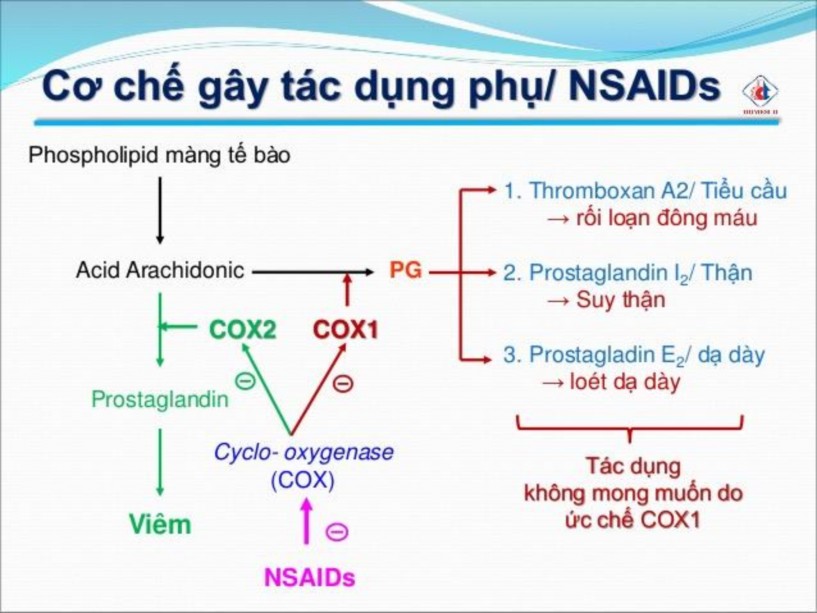
Adrenal Corticoids
- Prostaglandin E2
Regulation of gastric juice secretion - by humoral route:
- Gastrin: secreted into the blood by G cells of the antrum and duodenum, stimulates glands in the body and fundus of the stomach, causing the secretion of HCl and pepsinogen. The amount of HCl secreted is 3 - 4 times the amount of pepsinogen.
Regulation of gastric juice secretion - by humoral route:
- Histamine: histamine increases the effect of gastrin and acetylcholine on HCl secretion. In the treatment of gastric and duodenal ulcers, H2 receptor inhibitors ( cimetidine, ranitidine ) inhibit histamine secretion, thereby inhibiting HCl secretion.
- Adrenal cortex corticosteroids increase HCl and pepsinogen secretion but reduce mucus secretion do not use corticosteroids for people with gastric and duodenal ulcers.
Regulation of gastric juice secretion - by humoral route:
- Prostaglandin E2: protects the gastric mucosa due to its effect
+ Reduce acid secretion
+ Increased mucus secretion
+ Increase circulation to the gastric mucosa
Regulation of gastric juice secretion - 3 stages of gastric juice secretion :
Neurological stage (early stage):
- Occurs before food enters the stomach (seeing, smelling, tasting or thinking about) or while eating (the more delicious the food, the stronger the secretion)
- Psychological impact:
- The gastric juice secreted at this time is psychological juice that prepares to receive food.
eat into the stomach
- Mechanism: conditioned and unconditioned reflexes with the centrifugal pathway being the X nerve.
- Influencing factors: fear → decreased secretion, anger → increased secretion.
- Secrete 20% of gastric juice of the meal
Regulation of gastric juice secretion - 3 stages of gastric juice secretion :
Neurohumoral phase (gastric phase)
- Food enters the stomach → stomach expansion → mechanical stimulation of the mucosa
antrum initiates vagus nerve reflex, local reflex, gastrin release
→ stomach, stimulates secretion of HCl and pepsinogen.
- Both neural and hormonal mechanisms work together → continuous secretion of gastric juice, accounting for ~ 70% of gastric juice.
- Low gastric pH inhibits gastrin secretion
Regulation of gastric juice secretion - 3 stages of gastric juice secretion :
Humoral phase (intestinal phase)
- Food distends the duodenum + digestive products + HCl → stimulates the duodenum
Gastrin secretion (little) → blood → stomach → stimulates gastric juice secretion .
- When the duodenum is too full, the pH is too acidic, the chyme has too much fat, too much proteose and pepton → the duodenum secretes a lot of Secretin, GIP (Gastric Inhibitory Peptide), CCK (Cholecystokinin) → blood → stomach → inhibits gastric juice secretion → slows down the chyme delivery to the intestine .
Thus, gastric juice is regulated before, during and after digestion.
Food has left the stomach, thanks to the coordinated nervous and humoral mechanisms