
Ischemic changes on ECG are associated with cardiovascular risk and morbidity and mortality [121].
Risk of hypoglycemia
Hypoglycemia is a risk when exercising in patients with type 2 diabetes who use
insulin and insulin secretagogues. In these individuals, if pre-exercise blood glucose is < 5.5 mmol/l, approximately 15-30 g of carbohydrate should be consumed before exercise [122].
Maybe you are interested!
-
 Study on muscle loss in patients with type 2 diabetes and initial evaluation of the effectiveness of exercise intervention - 25
 -
 Study on microbiological characteristics of foot ulcers in diabetic patients at the Department of Endocrinology - Diabetes, Bach Mai Hospital in 2021 - 11
 -
 Study on the nutritional effectiveness of homemade high-energy solution for early feeding through nasogastric tube for critically ill patients at Hue Central Hospital - 1
 -
 Study on the effectiveness of topical androgel in ovarian stimulation in patients with poor ovarian response - 18
 -
 Some Risk Factors Associated with Cardiovascular Disease in Patients with Type 2 Diabetes
Risk of hyperglycemia
People with type 2 diabetes usually do not need to delay exercise because
high blood sugar, provided you feel well. If
capillary glucose concentration > 16.7 mmol/l, it is important to ensure
Avoid dehydration and monitor for signs and symptoms (e.g., increased thirst, nausea, severe fatigue, blurred vision, or headache), especially during hot and strenuous exercise [122].
Risk of heat-related illness
People with type 2 diabetes may be at higher risk for
those
adverse effects from
hotter environment than normal people
In these patients, metabolic, cardiovascular and neurological disorders reduce the body's ability to detect and dissipate heat.
Therefore, exercise should be performed in a cool, air-conditioned environment [123].
Exercises applied in the study:
This is an exercise recommended by Harvard School issued in 2007 and updated in 2019. The exercise includes 10 relatively simple movements, easy to practice at home and has a low risk of injury. Includes movements for the arm, upper body, abdomen, back, thigh and leg muscles and movements
balance, exercise time is 30 - 45 minutes. Patients can use 500 ml Lavie water bottle instead of dumbbells (see table of contents).
Chapter 2
RESEARCH OBJECTS AND METHODS
2.1. Research subjects
Our study subjects included patients over 60 years old who came for outpatient examination and treatment at Xanh Pon General Hospital, met the selection criteria for the study and were divided into two groups.
Disease group: includes 201 patients diagnosed and treated for type 2
Mobile
Non-diabetic group: included 201 people without type 2 diabetes, similar in gender, age, and BMI.
2.1.1. Criteria for selecting a group of subjects
Are normal people of similar gender and age
compared to small
sick
No diabetes, blood glucose test mmol/l (done 2 different times).
Morning pulse < 5.6
Do not use drugs that affect bone health: corticosteroids, hormones
alternative, non-treatment osteoporosis drugs, calcium drugs, drugs related
blood clotting and vitamin K, history of polyarthritis.
No previous period of bedridden.
Agree to participate in the study.
2.1.2. Criteria for selecting diabetes group
As patients diagnosed with type 2 diabetes according to ADA criteria
2014 was adjusted
knowledge
outpatient at Xanh Pon General Hospital.
person must meet at least one of the following criteria:
Blood glucose
any > 11.1 mmol/l cream
according to
crab symptom
hyperglycemia is acceptable.
(thirst, frequent urination, overeating, unexplained weight loss)
Blood glucose
future
fasting (8-14 hours fasting) > 7.0 mmol/l
Plasma glucose 2 hours after drinking 75g glucose > 11.1 mmol/l
HbA1C (quantitatively determined by chromatography) > 6.5%.
+ For patients being treated for diabetes, the above diagnostic criteria
no more
be
rely on
mining
patient's medical history
time of disease detection, medications used and currently used, and review medical records
patient's medical record
Patient consent to participate in the study
2.1.3. Exclusion criteria
The patient has acute complications of diabetes such as ketosis, increased osmotic pressure, and infection.
acidosis
Bone diseases, dry: bone segment resection, bone foreign body, has been
diagnostics
chemical
dry
heavy,
rheumatoid arthritis,
has been diagnosed
osteoporosis, scoliosis,...
Use the
drugs affect
musculoskeletal: corticosteroids, hormone replacement
anticonvulsant, anticonvulsant
mental,
drug
bone type,
vitamin K, anticoagulant...
Suffering from cancer or bone metastasis, bedridden for > 1 month or more, having had a section of the stomach, intestines, ovaries and uterus removed, or having had a stroke.
Endocrine diseases and some diseases that cause glucose metabolism disorders:
Basedow's disease, hypothyroidism, Cushing's syndrome, hypopituitarism, acromegaly,
nephrotic syndrome, chronic kidney failure, complications of diabetes: ulcers, inflammation, thrombosis, limbs...
The female patient was found to have ovarian tumors, uterine fibroids, and polycystic ovaries.
The patient did not consent to participate in the study.
2.2. Research method
2.2.1. Research design
Objective 1,2: Cross-sectional description, comparison between disease group and control group
non-diabetic and non-diabetic groups compared with disease groups.
Objective 3: Intervention study comparing before and after with time
follow-up is 12 months.
2.2.2. Time and place of research
The study was conducted from April 2016 to December 2016.
2018 at the Examination Department, Rehabilitation Department of Xanh Pon.
2.2.3. Sample size
Goal 1, 2
General Hospital
Calculate the sample size of the diabetic or non-diabetic group using the formula (sample size calculation for estimating proportions).
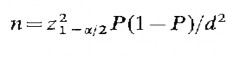
In there
n: minimum sample size required
α: choose the significance level α= 0.05→ Z(1α/2) = 1.96
d: absolute error (d= 0.05)
p: choose p = 0.16 (Based on the rate of muscle loss in the type 2 diabetes population in
Korea 15.7%) [87].
The minimum sample size for each group was 181 patients. In fact
The diabetic group selected 201 patients, the non-diabetic group selected 203 patients.
Goal 3
Of the 201 patients studied, we selected 98 patients with pre-muscle wasting, muscle wasting and severe muscle wasting. All patients, after being explained about the purpose and effectiveness of resistance training, agreed to participate in the study in objective 2. However, after 12 months, we only collected complete data of 56 patients for analysis.
How to collect data
The patient parameters to be surveyed were recorded in a medical record form specially designed for this study (see appendix).
Design of medical records for each group of diabetes and non-diabetes, tests
Clinical and paraclinical tests are performed separately.
HbA1C test and MTHFR C677 gene mutation test are only present in diabetic patients.
2.2.4. Research variables
2.2.4.1. Clinical:
be done
General information: year of birth, gender, address, occupation, weight, marital status, nutritional status.
Ask about the disease:
career, afternoon
Personal history (diabetes, hypertension, lipid disorders,
money
obstetric history for women) and family history.
Time of illness.
Clinical examination
Measure
height: standard
Made in Japan measuring device located at the Examination Department
Green Pon General Hospital. Straight line patient, must have 3 points
pre
contact with injury
Measure the heel, buttocks and head.
Weight measurement : patient in loose clothing , no shoes
deṕ
and use
Health scale located at the Examination Department of Xanh Pon General Hospital.
BMI (body mass index): calculated by the formula
BMI = Weight (kg)/ Height
height (m)2
Waist circumference : measure the circumference of the abdomen with a non-elastic measuring tape. Take the measurement .
smallest abdominal circumference from iliac crest to navel, patient breathing lightly,
not ventilated. Each patient measured waist circumference twice, the results were averaged.
sum of 2 measurements.
Blood pressure measurement : all patients were measured with the ALPK2 blood pressure monitor .
Made in Japan. Measure blood pressure in a resting state for at least 10 minutes.
minutes, no prior exertion.
Khaḿ
comprehensive clinical
scope and technique: conducted at the Faculty
Medical examination at Xanh Pon General Hospital by graduate students.
2.2.4.2. Testing
Fasting blood glucose (venous blood ) : blood sample is taken when the patient has fasted for 8-14 hours. Quantification is performed by enzyme colorimetric method on Olympus AU 400 biochemical machine .
HbA1C: percentage of glycosylated hemoglobin, normal value of
HbA1C from 4 6%. HbA1c index is done by immunoassay
measure
chisel, use
biochemical machine
Olympus AU 400 at Department of Biochemistry
Xanh Pon General Hospital.
Blood lipids
(CT, TG, HDL C, LDLC):
fasting venipuncture
Blood was centrifuged, fresh serum was separated and quantified immediately. Quantification of CT, TG, HDL C, LDLC components was performed by the method
enzyme colorimeter, using the biochemical machine of Xanh Pon General Hospital.
Olympus AU 400 at Department of Biochemistry
MTHFR C677T gene polymorphism testing: (see appendix)