
- Cultivate the ability to observe, evaluate and enjoy the results of creation, feel the aesthetic features, artistic values, and creativity that you have created in that product, thereby stimulating children to continue to enthusiastically seek the next creative ideas. b/ Ways to develop observation skills for 5-6 year old preschool children in activities
patchwork
To develop the knowledge of 5-6 year old preschool children in the activities, teachers need to clearly understand the process of forming knowledge of 5-6 year old preschool children and the methods of organizing activities for children to choose appropriate ways of influencing them, thereby training the component skills in the structure of children's knowledge of 5-6 year old preschool children. Specifically:
- It is necessary to create an attractive and novel educational space and environment for HĐCG to form interest in QS, helping children have full awareness of the purpose and tasks of QS: Knowing what to QS, how to QS;
Maybe you are interested!
-
 Using natural materials in organizing puzzle activities to develop observation skills for 5-6 year old preschool children - 21
 -
 Concept of Observation Skills of 5-6 Year Old Preschool Children
 -
 Current Status of Observation Skills of 5-6 Year Old Preschool Children in Puzzle Activities Using Natural Materials
 -
 Current Status of Teachers Implementing Methods of Using Materials in Organizing Activities to Develop Skills for 5-6 Year Old Preschool Children
 -
 Managing life skills education for 5-6 year old children in kindergartens in Thai Nguyen city - Thai Nguyen province - 1
- Guide children on how to conduct the QS process: From covering the whole - separating QS to focusing on each part - comprehensive QS;
- Guide children to know how to use QS methods: Observe mainly by tactile movement; Observe mainly by vision; Observe by coordinating the senses; Use supporting tools in QS to collect the most complete and accurate information about the shaping materials and objects described in the HDCG;
- Use a combination of QS methods including: Visual method, verbal method, and experiential practice method. In addition, to stimulate emotions and form children's aesthetic feelings, special attention should be paid to using figurative language (combining appropriate poems, riddles, and songs) when describing the visual materials or objects described in the activity.
1.4.3. Expressions of observation skills of 5-6 year old preschool children in the puzzle activity
Based on the manifestations of KNQS and characteristics of HĐCG of 5-6 year old preschool children, it can be determined that KNQS of 5-6 year old preschool children in HĐCG have the following manifestations:
- Skills to determine QS tasks: Determining QS tasks will greatly affect the quality and effectiveness of QS activities in the process of organizing HDCG for 5-6 year old preschool children. This skill is expressed as follows:
Children determine the goals and tasks of QS suitable for each object described in the HĐCG: Children know what to do and how to do it to grasp the characteristics of the QS object; know how to choose the appropriate materials and tools to support the QS process and how to assemble it; determine what steps to take to practice creating a pieced product, where to start; know how to enjoy and evaluate the results of the creation.
- Skills in using the QS method: Using and combining QS methods with different senses to contact and examine the described object in order to search for and fully discover the aesthetic characteristics and features of the QS object to serve the creative process in the CG activity. The skills in using the QS method in the CG activity of 5-6 year old children are shown as follows:
+ Observation mainly by tactile movement: In general, the younger the child, the stronger this QS method is. By the age of 5-6, children are still actively QS mainly by
tactile movement (touching, feeling, disassembling, assembling) to examine and grasp the structural and textural features of objects;
+ Observation mainly by sight: Children mainly use their eyes to see and grasp the external characteristics and structure of the objects described in the lesson plan in an appropriate order;
+ Observation by coordinating the senses: Children aged 5-6 have relatively good perception ability. At the same time, they can grasp many different characteristics of the object, know how to coordinate methods of examining the object by touch, movement, vision, hearing, and even use the sense of smell, taste or lift and put down to collect information about the object described in the object description;
+ Using support tools in QS: In some cases, some children are quite proficient in using support tools (glasses, cameras, measuring, counting devices) to survey objects from many angles to search for and collect information.
- Skills to detect and describe QS results: Detect, name and describe the characteristics and attributes of the described object, collect information about the aesthetic characteristics and unique features of the shaping material to form aesthetic concepts and creativity in the construction activity.
+ Detect the aesthetic characteristics of the QS object and name those signs;
+ Describe and explain in language, talk about the properties, characteristics, properties, connections, relationships, similarities, and suitability of the shaping materials with the creative ideas in the HĐCG.
- Skills in evaluating and comparing QS results: 5-6 year old preschool children are interested and have the skills to evaluate and compare QS results of creative materials with their own and their friends' creative products in the activity to make comments on the success or failure in the process of finding materials suitable for creative ideas. However, the comments and evaluations are often still inaccurate and easily influenced by emotions and limitations of cognitive ability. Children's skills in evaluating and comparing QS results have the following manifestations:
+ Recognize the suitability or unsuitability of materials with the description requirements to make adjustments to the material QS method to suit the shaping task.
+ Know how to comment on the results of the QS process when comparing it with your own and your friends' patchwork products.
1.4.4. Conditions for developing observation skills for 5-6 year old preschool children in puzzle activities
- Environmental conditions:
+ The physical environment for children's creative activities includes: Tools and materials for creative activities must be rich, diverse, attractive and familiar, suitable for children's cognitive level. Tools, toys and creative materials are arranged for each position and different play corners in the classroom to ensure aesthetics, creating an "open space" convenient for children to explore and be creative.
+ Spiritual environment: Teachers always encourage, motivate, and allow children to freely express their opinions and comments, always listen to and respect children's opinions, are ready to answer children's questions and concerns, and create a comfortable and confident feeling for children when expressing themselves and creating, thereby stimulating their emotions and forming aesthetic feelings.
- Teacher requirements: Preschool teachers must have a passion for the art of patchwork, be creative, eager to learn, love their job and understand how to develop children's knowledge and skills in order to organize activities that integrate goals and content to develop children's knowledge and skills in the most effective way. In addition, preschool teachers also need to have good pedagogical skills, always know how to motivate and stimulate children's knowledge and creativity.
- Conditions for children: Children must have a rich knowledge base, actively participate in activities organized by teachers, be eager to learn, like to explore and be creative.
- Conditions for parents : Parents always care, share and actively cooperate with teachers in caring for and educating children.
1.4.5. Levels of observation skill development of 5-6 year old preschool children in jigsaw puzzle activities
General assessment of the development skills of 5-6 year old preschool children in HĐCG can be divided into 3 levels of development according to the average score from 1 to 30. Specifically as follows:
Level 1 (High Level)
Children accurately identify the purpose and tasks of QS in accordance with each description of the content of the activity, clearly present each QS task according to the topic described in the activity; Actively visually inspect the object in a suitable order to identify the characteristics and features of the object; when encountering signs that are difficult to visually inspect, proactively and flexibly coordinate the use of methods to inspect the object using other senses (hands, tongue, nose, etc.); Fully detect the aesthetic characteristics of the QS object in accordance with the creative ideas in the activity, name, describe and clearly explain in language those signs and features accurately; Self-evaluate and take actions to adjust the QS method to suit the QS object and the content of the collage, know how to clearly comment on the results of performing the QS task of themselves and their friends when requested.
Level 2 (Intermediate)
Children correctly identify the purpose and task of QS when instructed, the presentation of the QS task is not clear, sometimes still confused; Using eyes to QS objects without any order, not actively coordinating the use of QS methods with other senses (hands, tongue, nose, etc.); Detecting most of the characteristics of the QS object but still confused when naming those characteristics, describing and explaining the characteristics of the QS object is not clear; There are comments and actions to adjust the QS method but still waiting for guidance from the teacher.
Level 3 (Low Level)
Children have difficulty in determining the purpose and task of QS, often make mistakes when presenting the QS task of the objects described in the lesson plan; Use eyes to QS objects but not in any order, when encountering difficulties, do not know how to coordinate the use of QS methods with other senses (hands, tongue, nose, etc.) without the teacher's guidance; Can only detect 50% of the typical features of the QS object, name the features incorrectly; Only know how to self-evaluate and evaluate the results of their own QS and those of their friends if given guidance but not clearly and meticulously.
1.5. Natural materials and the use of natural materials in organizing assembling activities to develop observation skills for 5-6 year old preschool children in kindergarten
1.5.1. Natural materials
1.5.1.1. Concept of natural materials
According to the great Vietnamese dictionary of Nguyen Nhu Y [89, p.1804]: Materials are things used to make something. Materials are the initial factor, the foundation and origin for people to be able to create a product with a new value to serve life.
Nature is everything that exists around humans that is not created by humans [89, p.1566].
Therefore, it can be affirmed that natural materials are material assets available in nature, not created by humans but humans can exploit, process... to serve their lives. In this process, humans become the subject of discovery, use of natural materials to serve the needs and purposes of themselves and society.
Natural materials are always available in nature, very diverse, attractive, easy to find, easy to use, so in the process of organizing educational activities for children, VLTN is always one of the materials that teachers prioritize to choose, exploit and use.
Natural materials in children's education: Children need to live, play, learn in nature, and immerse themselves in nature to develop best. Nature and natural materials can be used in the educational process in many different ways such as: Letting children work in the natural environment or bringing nature and natural materials into the classroom environment to stimulate children's interest, curiosity, love of observation, learning, and positive perception. When exposed to and manipulated with natural materials, children become resourceful, agile, and proactive in finding ways to recycle and use natural materials in their games. Interacting a lot with nature and rich sources of natural materials gradually forms in children an attitude and awareness of respect for creatures in nature, more concern for the living environment, and a certain understanding of the living environment.
Natural materials are an indispensable component in toys and games for preschool children, they originate from animals, plants and inorganic nature (minerals), present in nature, created by nature, this is an open material because they are extremely diverse and attractive. From natural materials, many visual aids can be created or combined with other materials to create interesting toys that stimulate creativity, support children's problem-solving skills, scientific research and calculation. For example: In activities to get acquainted with Math, seeds, nuts, sticks, leaves, snail shells, seashells ... are used as visual aids to help children recognize and distinguish quantity, shape, size, providing children with many opportunities to form concepts of big - small, long - short, few - many, same - different ...; In recreational activities, VLTN are used as tools and materials for games to help children develop critical thinking and creativity skills; In scientific exploration activities, VLTN are objects for children to explore, through which children collect rich knowledge and understanding about nature and the life around them, thereby learning to love and appreciate nature, etc.
In general and in particular, the rich and diverse natural materials will provide an endless source of inspiration for children's creative ideas. The characteristics of shape, color, properties and attributes of natural materials are always attractive and appealing.
Children look at them, touch them, explore them with all the excitement and active movement of their senses, thereby discovering many interesting things, collecting a lot of new information, forming emotions, aesthetic feelings, forming creative ideas and even love for nature. The process of exploring with VLTN also develops independence, autonomy in perception, stimulates imagination, and artistic creativity of children. Thus, the rich source of VLTN and the beautiful natural environment can become the means and materials for children to express their creative ideas.
Natural materials used in organizing preschool children's creative activities are familiar, vivid materials available in nature, containing many unique aesthetic characteristics and artistic features, suitable for children to exploit and use in the process of creating models and patchwork products, thereby expressing their emotions, thoughts and artistic abilities.
1.5.1.2. Classification of natural materials used in preschool children's puzzle activities
Natural materials used in children's activities are familiar, lively but very diverse and rich, available in nature, containing many unique aesthetic characteristics and artistic features, suitable for children to exploit and use in children's activities and activities, having eliminated factors that may be unsafe such as: toxic, allergic, sharp, fragile, too large or too small in size compared to regulations. Priority is given to using locally available natural resources to exploit knowledge, understanding and stimulate children's positive emotions towards nature and natural resources around them.
The exploitation, classification and use of VLTN in HĐCG depends on the development requirements and forms of HĐCG organization. It can be classified in the following ways:
*/ Classification of VLTN according to origin
- Natural materials of plant origin:
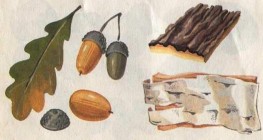
+ Types of leaves include: simple leaves, compound leaves, pine leaves, striped and patterned leaves, leaves with different colors and shades, leaves with interesting shapes and structures, fragrant leaves...;
+ Bark, roots and branches from many different trees with different shapes, sizes, patterns, textures and colors; Cut wood with grain and grooves, tree branches of different lengths…;
+ Fresh fruits and vegetables, dried or processed fruit peels and nuts;
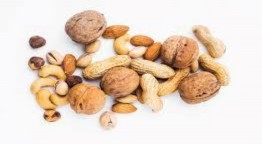
+ Seeds and nuts of different sizes, shapes and colors;
- Natural materials of animal origin: Shells and bones, feathers, teeth... of animals with different shapes, structures, colors...
- Natural materials originating from inorganic nature : Some types of soil, sand, stone, gravel have different colors, shapes, and sizes.
*/ Classification of VLTN according to aesthetic characteristics and features in shaping
- Natural materials have different surface structures: smooth, fine or rough, rugged...
- Natural materials have different sizes: long, short, big, small.
- Natural materials have different colors: bright colors or dark colors.
- Natural materials suitable for manipulation and shaping techniques: Natural materials that are easy to manipulate and bend can be used for children to shape immediately or natural materials that need to be processed and intervened before being used in shaping activities.
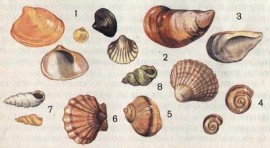
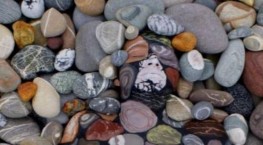

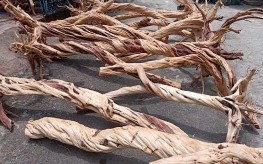
Figure 1.2. Some types of natural materials used in children's puzzle activities
1.5.2. Using natural materials in organizing activities to develop observation skills for preschool children
1.5.2.1. Concept of using natural materials
According to Hoang Phe's Vietnamese dictionary [51, p.1085]: "To use is to take as a means to serve a certain purpose."
From the concept of VLTN and the analysis of the application of VLTN in the process of organizing special educational activities, especially the teaching activities of 5-6 year old preschool children, it can be understood that: Using VLTN in organizing teaching activities of preschool children is using details, VLTN that are close, suitable, easy to find in nature to help children recreate models, structures, and objects in three-dimensional space according to their rich imagination and creativity.
The use of natural materials in organizing children's art activities includes determining, selecting and implementing: Purpose, Content, Method, Form of using materials collected from nature for art activities as educational means of this art activity. The effectiveness of using natural materials for art activities will be evaluated towards forming and nurturing children's emotions, feelings, aesthetic awareness, judgment and imagination, artistic creativity.
1.5.2.2. The role of using VLTN in organizing HĐCG with the development of preschool children's knowledge and skills.
According to NP Xakulina: "It is impossible to grasp the ability to create shapes without the development of visual perception with a clear purpose, that is, without the development of creative thinking skills." [84, p.4] Increasing the use of natural materials in the organization of creative activities brings great benefits, creating an interesting and ever-changing working environment, stimulating children's curiosity to explore, actively thinking and perceiving, this is an educational activity that affects many aspects of children's development in terms of morality, intelligence, aesthetics, physicality and especially it creates an environment to practice and develop creative thinking skills for children. Specifically:
- Help children determine the purpose and tasks for the observation process : The process of organizing teaching activities using natural materials always sets children many QS tasks corresponding to the requirements and demands of the process of organizing this activity such as: QS, searching, researching natural materials and objects described in teaching activities to accumulate information to form symbolic and figurative capital; QS operations, techniques for creating models; QS the process of creating products; QS, aesthetic appreciation and evaluation of assembled products... The QS tasks in the process of organizing teaching activities using natural materials can initially be set by teachers or oriented to children. Gradually, before the requirements of teaching activities, children must determine the correct QS tasks themselves, from which the skills of determining QS tasks are gradually formed in children.
- Enhance the coordination of senses for children's reception activities : With the QS tasks that have been identified during the organization of the learning activities using VLTN, children must quickly search and identify appropriate QS methods (QS mainly by tactile movement, QS mainly by vision, QS by coordinating senses such as hearing, children even use smell, taste or use support tools in QS) to easily grasp the attributes, qualities and characteristics of the QS object more accurately and completely. Children's senses are continuously used to directly contact and explore VLTN or the objects described in the learning activities, so they are increasingly perfected and become more sensitive and flexible.
- Enhance the positiveness of cognitive processes : The process of organizing creative activities using natural materials will stimulate children's curiosity, desire to search and explore, and examine objects and phenomena in nature to learn about the characteristics and properties of natural materials. Children's knowledge of objects and phenomena in the surrounding natural environment will thus become richer, helping children to create inspiration for their creative products, and train their aesthetic perception skills, which are important for artistic creativity.
Thinking and intellectual operations in the QS process such as: comparison, contrast, analysis, synthesis, generalization, abstraction, etc. are mobilized regularly, so they become increasingly sharp, active, supporting and making accurate the initial information provided by children's senses, helping children discover not only external characteristics and properties but also some internal attributes and regular relationships of things in nature, the aesthetic connection between natural materials and objects described in general and in particular.
- Enhance language development, form concepts: When participating in the process of creating composite products from natural materials, children must explore the richness and diversity of natural materials, research the objects described, learn about the morphological relationships between natural materials and the appearance of the objects described to choose the appropriate materials, techniques for creating composite products and finally evaluate and enjoy the composite products they create. During this process, children must regularly evaluate, compare, contrast and use language to comment, analyze, judge, describe the results of the composite products, and at the same time share their emotions, information and experiences of the composite products, name the aesthetic characteristics of the types of natural materials. The beauty, attractiveness and closeness of nature as well as natural materials stimulate the positivity of language activities, help children expand their vocabulary, form rich understanding and build concepts related to all things in nature. Thanks to that, children's speech becomes rich in imagery and emotion, language becomes coherent, effectively supporting the thinking process, perception and creative imagination as well as the ability to communicate and interact in HĐCG.
- Expanding and enriching the symbolic capital and impressions of the surrounding living environment: Regularly exploring and discovering nature, objects, phenomena, rich and diverse types of natural materials in the natural world, along with models and products assembled from natural materials during the organization of activities will provide children with a rich understanding of the world around them, making their knowledge and emotions increasingly profound and "rich" in both quantity and quality, promoting children's artistic emotions and rich creative imagination in activities.
From the above analysis, it can be affirmed that the use of VLTN in organizing HĐCG will create an educational environment with very favorable conditions and means to practice and develop the ability to think creatively as well as the ability to perceive aesthetics for 5-6 year old preschool children.