
education. Thanks to that, many international organizations and individuals in many countries around the world know about Dong Thap, care about and cooperate with Vietnam.
2.1.2. Natural and socio-economic characteristics
a. Characteristics of nature and natural resources
- Tram Chim Ramsar Site has all the common characteristics of the Dong Thap Muoi landscape: lagoons, ancient riverbeds, etc. These geomorphological forms create conditions for creating diversity in habitats and diversity in biological resources. Currently, despite significant impacts on the natural environment of this wetland, Tram Chim Ramsar Site still has many types of habitats of animals.
– typical plants of the wetlands of Dong Thap Muoi.
- The diversity of vegetation on the dynamic terrain - soil - hydrological conditions of the Tram Chim area is the basis for the biodiversity of this wetland ecosystem. Therefore, the conservation of vegetation diversity (first of all, the conservation of their living conditions) is the first activity to conserve the biodiversity of the wetland ecosystem.
b. Socio-economic characteristics
- Population
Currently, there are many households living in the buffer zone, about 41,000 people. The population density is highest on the Phu Hiep and Dong Tien canals, adjacent to the Ramsar Tram Chim Area. The lives of these households still face many difficulties. The main source of income is rice and Melaleuca cultivation and fishing for natural aquatic resources on the canals. The infrastructure system serving life and economic development is still poor, such as schools, clinics, electricity, clean water for daily life and communication, which is also one of the factors limiting economic development for the community in this area.
Table 2.1. Current population status in the Tram Chim Ramsar Site area in 2009
Status
Unit | Number of hamlets (hamlets) | Natural area (Km 2 ) | Number of households | Population People | Population density (people/km 2 ) | |
1 2 3 4 5 6 | Bird Sanctuary Center, Phu Duc Commune Tan Cong Sinh Commune Phu Thanh B Commune Phu Hiep Commune Phu Tho Commune | 5 3 4 4 4 5 | 12.32 51.74 77.39 51.61 50.70 63.60 | 2,604 2.001 1,601 1,085 2.102 2,651 | 9,934 8.002 5,867 4,560 8,120 10,929 | 808 155 76 88 160 172 |
Total | 307.36 | 12,044 | 47,412 |
Maybe you are interested!
-

 Identify Rating Levels and Rating Scales
zt2i3t4l5ee
zt2a3gstourism,quan lan,quang ninh,ecology,ecotourism,minh chau,van don,geography,geographical basis,tourism development,science
zt2a3ge
zc2o3n4t5e6n7ts
of the islanders. Therefore, this indicator will be divided into two sub-indicators:
a1. Natural tourism attractiveness a2. Cultural tourism attractiveness
b. Tourist capacity
The two island communes in Quan Lan have different capacities to receive tourists. Minh Chau Commune is home to many standard hotels and resorts, attracting high-income domestic and international tourists. Meanwhile, Quan Lan Commune has many motels mainly built and operated by local people, so the scale and quality are not high, and will be suitable for ordinary tourists such as students.
c. Time of exploitation of Quan Lan Island Commune:
Quan Lan tourism is seasonal due to weather and climate conditions and festivals only take place on certain days of the year, specifically in spring. In Quan Lan commune, the period from April to June and from September to November is considered the best time to visit Quan Lan because the cultural tourism activities are mainly associated with festivals taking place during this time.
Minh Chau island commune:
Tourism exploitation time is all year round, because this is a place with a number of tourist attractions with diverse ecosystems such as Bai Tu Long National Park Research Center, Tram forest, Turtle Laying Beach, so besides coming to the beach for tourism and vacation in the summer, Minh Chau will attract research groups to come for tourism combined with research at other times of the year.
d. Sustainability
The sustainability of ecotourism sites in Quan Lan and Minh Chau communes depends on the sensitivity of the ecosystems to climate changes.
landscape. In general, these tourist destinations have a fairly high level of sustainability, because they are natural ecosystems, planned and protected. However, if a large number of tourists gather at certain times, it can exceed the carrying capacity and affect the sustainability of the environment (polluted beaches, damaged trees, animals moving away from their habitats, etc.), then the sustainability of the above ecosystems (natural ecosystems, human ecosystems) will also be affected and become less sustainable.
e. Location and accessibility
Both island communes have ports to take tourists to visit from Van Don wharf:
- Quan Lan – Van Don traffic route:
Phuc Thinh – Viet Anh high-speed boat and Quang Minh high-speed boat, depart at 8am and 2pm from Van Don to Quan Lan, and at 7am and 1pm from Quan Lan to Van Don. There are also wooden boats departing at 7am and 1pm.
- Van Don - Minh Chau traffic route:
Chung Huong high-speed train, Minh Chau train, morning 7:30 and afternoon 13:30 from Van Don to Minh Chau, morning 6:30 and afternoon 13:00 from Minh Chau to Van Don.
f. Infrastructure
Despite receiving investment attention, the issue of infrastructure and technical facilities for tourism on Quan Lan Island is still an issue that needs to be resolved because it has a direct impact on the implementation of ecotourism activities. The minimum conditions for serving tourists such as accommodation, electricity, water, communication, especially medical services, and security work need to be given top priority. Ecotourism spots in Minh Chau commune are assessed to have better infrastructure and technical facilities for tourism because there are quite complete and synchronous conditions for serving tourists, meeting many needs of domestic and foreign tourists.
3.2.1.4. Determine assessment levels and assessment scales
Corresponding to the levels of each criterion, the index is the score of those levels in the order of 4, 3, 2, 1 decreasing according to the standard of each level: very attractive (4), attractive (3), average (2), less attractive (1).
3.2.1.5. Determining the coefficients of the criteria
For the assessment of DLST in the two communes of Quan Lan and Minh Chau islands, the students added evaluation coefficients to show the importance of the criteria and indicators as follows:
Coefficient 3 with criteria: Attractiveness, Exploitation time. These are the 2 most important criteria for attracting tourists to tourism in general and eco-tourism in particular, so they have the highest coefficient.
Coefficient 2 with criteria: Capacity, Infrastructure, Location and accessibility . Because the assessment area is an island commune of Van Don district, the above criteria are selected by the author with appropriate coefficients at the average level.
Coefficient 1 with criteria: Sustainability. Quan Lan has natural and human-made ecotourism sites, with high biodiversity and little impact from local human factors. Most of the ecotourism sites are still wild, so they are highly sustainable.
3.2.1.6. Results of DLST assessment on Quan Lan island
a. Assessment of the potential for natural tourism development
For Minh Chau commune:
+ Natural tourism attractiveness is determined to be very attractive (4 points) and the most important coefficient (coefficient 3), so the score of the Attractiveness criterion is 4 x 3 = 12.
+ Capacity is determined as average (2 points) and the coefficient is quite important (coefficient 2), then the score of Capacity criterion is 2 x 2 = 4.
+ Exploitation time is long (4 points), the most important coefficient (coefficient 3) so the score of the Exploitation time criterion is 4 x 3 = 12.
+ Sustainability is determined as sustainable (4 points), the important coefficient is the average coefficient (coefficient 1), so the score of the Sustainability criterion is 4 x 1 = 4 points
+ Location and accessibility are determined to be quite favorable (2 points), the coefficient is quite important (coefficient 2), the criterion score is 2 x 2 = 4 points.
+ Infrastructure is assessed as good (3 points), the coefficient is quite important (coefficient 2), then the score of the Infrastructure criterion is 3 x 2 = 6 points.
The total score for evaluating DLST in Minh Chau commune according to 6 evaluation criteria is determined as: 12 + 4 + 12 + 4 + 4 + 6 = 42 points
Similar assessment for Quan Lan commune, we have the following table:
Table 3.3: Assessment of the potential for natural ecotourism development in Quan Lan and Minh Chau communes
Attractiveness of self-tourismof course
Capacity
Mining time
Sustainability
Location and accessibility
Infrastructure
Result
Point
DarkMulti
Point
DarkMulti
Point
DarkMulti
Point
DarkMulti
Point
DarkMulti
Point
DarkMulti
CommuneMinh Chau
12
12
4
8
12
12
4
4
4
8
6
8
42/52
Quan CommuneLan
6
12
6
8
9
12
4
4
4
8
4
8
33/52
b. Assessment of the potential for humanistic tourism development
For Quan Lan commune:
+ The attractiveness of human tourism is determined to be very attractive (4 points) and the most important coefficient (coefficient 3), so the score of the Attractiveness criterion is 4 x 3 = 12.
+ Capacity is determined to be large (3 points) and the coefficient is quite important (coefficient 2), then the score of the Capacity criterion is 3 x 2 = 6.
+ Mining time is average (3 points), the most important coefficient (coefficient 3) so the score of the Mining time criterion is 3 x 3 = 9.
+ Sustainability is determined as sustainable (4 points), the important coefficient is the average coefficient (coefficient 1), so the score of the Sustainability criterion is 4 x 1 = 4 points.
+ Location and accessibility are determined to be quite favorable (2 points), the coefficient is quite important (coefficient 2), the criterion score is 2 x 2 = 4 points.
+ Infrastructure is rated as average (2 points), the coefficient is quite important (coefficient 2), then the score of the Infrastructure criterion is 2 x 2 = 4 points.
The total score for evaluating DLST in Quan Lan commune according to 6 evaluation criteria is determined as: 12 + 6 + 6 + 4 + 4 + 4 = 36 points.
Similar assessment with Minh Chau commune we have the following table:
Table 3.4: Assessment of the potential for developing humanistic eco-tourism in Quan Lan and Minh Chau communes
Attractiveness of human tourismliterature
Capacity
Mining time
Sustainability
Location and accessibility
Infrastructure
Result
Point
DarkMulti
Point
DarkMulti
Point
DarkMulti
Point
DarkMulti
Point
DarkMulti
Point
DarkMulti
Quan CommuneLan
12
12
6
8
9
12
4
4
4
8
4
8
39/52
Minh CommuneChau
6
12
4
8
12
12
4
4
4
8
6
8
36/52
Basically, both Minh Chau and Quan Lan localities have quite favorable conditions for developing ecotourism. However, Quan Lan commune has more advantages to develop ecotourism in a humanistic direction, because this is an area with many famous historical relics such as Quan Lan Communal House, Quan Lan Pagoda, Temple worshiping the hero Tran Khanh Du, ... along with local festivals held annually such as the wind praying ceremony (March 15), Quan Lan festival (June 10-19); due to its location near the port and long exploitation time, the beaches in Quan Lan commune (especially Quan Lan beach) are no longer hygienic and clean to ensure the needs of tourists coming to relax and swim; this is also an area with many beautiful landscapes such as Got Beo wind pass, Ong Phong head, Voi Voi cave, but the ability to access these places is still very limited (dirt hill road, lots of gravel and rocks), especially during rainy and windy times; In addition, other natural resources such as mangrove forests and sea worms have not been really exploited for tourism purposes and ecotourism development. On the contrary, Minh Chau commune has more advantages in developing ecotourism in the direction of natural tourism, this is an area with diverse ecosystems such as at Rua De Beach, Bai Tu Long National Park Conservation Center...; Minh Chau beach is highly appreciated for its natural beauty and cleanliness, ranked in the top ten most beautiful beaches in Vietnam; Minh Chau commune is also home to Tram forest with a large area and a purity of up to 90%, suitable for building bridges through the forest (a very effective type of natural ecotourism currently applied by many countries) for tourists to sightsee, as well as for the purpose of studying and researching.
Figure 3.1: Thenmala Forest Bridge (India) Source: https://www.thenmalaecotourism.com/(August 21, 2019)
3.2.2. Using SWOT matrix to evaluate Quan Lan island tourism
General assessment of current tourism activities of Quan Lan island is shown through the following SWOT matrix:
Table 3.5: SWOT matrix evaluating tourism activities on Quan Lan island
Internal agent
Strengths- There is a lot of potential for tourism development, especially natural ecotourism and humanistic ecotourism.- The unskilled labor force is relatively abundant.- resource environmentunpolluted, still
Weaknesses- Poorly developed infrastructure, especially traffic routes to tourist destinations on the island.- The team of professional staff is still weak.- Tourism products in general
quite wild, originalintact
general and DLST in particularalone is monotonous.
External agents
Opportunity- Tourism is a key industry in the socio-economic development strategy of the province and Van Don economic zone.- Quan Lan was selected as a pilot area for eco-tourism development within the framework of the green growth project between Quang Ninh province and the Japanese organization JICA.- The flow of tourists and especially ecotourism in the world tends toincreasing
Challenge- Weather and climate change abnormally.- Competition in tourism products is increasingly fierce, especially with other localities in the province such as Ha Long, Mong Cai...- Awareness of tourists, especially domestic tourists, about ecotourism and nature conservation is not high.
Through summary analysis using SWOT matrix we see that:
To exploit strengths and take advantage of opportunities, it is necessary to:
- Diversify products and service types (build more tourism routes aimed at specific needs of tourists: experiential tourism immersed in nature, spiritual cultural tourism...)
- Effective exploitation of resources and differentiated products (natural resources and human resources)
div.maincontent .p { color: black; font-family:"Times New Roman", serif; font-style: normal; font-weight: normal; text-decoration: none; font-size: 14pt; margin:0pt; } div.maincontent p { color: black; font-family:"Times New Roman", serif; font-style: normal; font-weight: normal; text-decoration: none; font-size: 14pt; margin:0pt; } div.maincontent .s1 { color: black; font-family:"Times New Roman", serif; font-style: normal; font-weight: normal; text-decoration: none; font-size: 13pt; } div.maincontent .s2 { color: black; font-family:"Times New Roman", serif; font-style: normal; font-weight: normal; text-decoration: none; font-size: 13pt; } div.maincontent .s3 { color: #0D0D0D; font-family:"Times New Roman", serif; font-style: normal; font-weight: bold; text-decoration: none; font-size: 14pt; } div.maincontent .s4 { color: black; font-family:"Times New Roman", serif; font-style: italic; font-weight: normal; text-decoration: none; font-size: 14pt; } div.maincontent .s5 { color: black; font-family:"Times New Roman", serif; font-style: italic; font-weight: bold; text-decoration: none; font-size: 14pt; } div.maincontent .s6 { color: black; font-family:"Times New Roman", serif; font-style: italic; font-weight: normal; text-decoration: none; font-size: 14pt; vertical-align: -3pt; } div.maincontent .s7 { color: black; font-family:"Times New Roman", serif; font-style: italic; font-weight: normal; text-decoration: none; font-size: 14pt; vertical-align: -2pt; } div.maincontent .s8 { color: black; font-family:"Times New Roman", serif; font-style: italic; font-weight: normal; text-decoration: none; font-size: 14pt; vertical-align: -1pt; } div.maincontent .s9 { color: black; font-family:"Times New Roman", serif; font-style: normal; font-weight: normal; text-decoration: none; font-size: 14pt; } div.maincontent .s10 { color: black; font-family:"Times New Roman", serif; font-style: normal; font-weight: bold; text-decoration: none; font-size: 14pt; } div.maincontent .s11 { color: black; font-family:"Times New Roman", serif; font-style: normal; font-weight: normal; text-decoration: none; font-size: 14pt; } div.maincontent .s12 { color: black; font-family:Symbol, serif; font-style: normal; font-weight: normal; text-decoration: none; font-size: 14pt; } div.maincontent .s13 { color: black; font-family:Wingdings; font-style: normal; font-weight: normal; text-decoration: none; font-size: 14pt; } div.maincontent .s14 { color: black; font-family:"Times New Roman", serif; font-style: normal; font-weight: normal; text-decoration: none; font-size: 9pt; vertical-align: 5pt; } div.maincontent .s15 { color: black; font-family:"Times New Roman", serif; font-style: normal; font-weight: normal; text-decoration: none; font-size: 9pt; vertical-align: 5pt; } div.maincontent .s16 { color: black; font-family:Cambria, serif; font-style: italic; font-weight: normal; text-decoration: none; font-size: 14pt; } div.maincontent .s17 { color: #080808; font-family:"Times New Roman", serif; font-style: normal; font-weight: bold; text-decoration: none; font-size: 14pt; } div.maincontent .s18 { color: #080808; font-family:"Times New Roman", serif; font-style: normal; font-weight: normal; text-decoration: none; font-size: 14pt; } div.maincontent .s19 { color: black; font-family:"Times New Roman", serif; font-style: normal; font-weight: normal; text-decoration: none; font-size: 11pt; } div.maincontent .s20 { color: black; font-family:"Times New Roman", serif; font-style: normal; font-weight: normal; text-decoration: none; font-size: 10pt; } div.maincontent .s21 { color: black; font-family:"Times New Roman", serif; font-style: normal; font-weight: bold; text-decoration: none; font-size: 11pt; } div.maincontent .s22 { color: black; font-family:"Times New Roman", serif; font-style: normal; font-weight: normal; text-decoration: none; font-size: 11pt; } div.maincontent .s23 { color: black; font-family:"Times New Roman", serif; font-style: italic; font-weight: normal; text-decoration: none; font-size: 14pt; } div.maincontent .s24 { color: #212121; font-family:"Times New Roman", serif; font-style: normal; font-weight: normal; tex
Identify Rating Levels and Rating Scales
zt2i3t4l5ee
zt2a3gstourism,quan lan,quang ninh,ecology,ecotourism,minh chau,van don,geography,geographical basis,tourism development,science
zt2a3ge
zc2o3n4t5e6n7ts
of the islanders. Therefore, this indicator will be divided into two sub-indicators:
a1. Natural tourism attractiveness a2. Cultural tourism attractiveness
b. Tourist capacity
The two island communes in Quan Lan have different capacities to receive tourists. Minh Chau Commune is home to many standard hotels and resorts, attracting high-income domestic and international tourists. Meanwhile, Quan Lan Commune has many motels mainly built and operated by local people, so the scale and quality are not high, and will be suitable for ordinary tourists such as students.
c. Time of exploitation of Quan Lan Island Commune:
Quan Lan tourism is seasonal due to weather and climate conditions and festivals only take place on certain days of the year, specifically in spring. In Quan Lan commune, the period from April to June and from September to November is considered the best time to visit Quan Lan because the cultural tourism activities are mainly associated with festivals taking place during this time.
Minh Chau island commune:
Tourism exploitation time is all year round, because this is a place with a number of tourist attractions with diverse ecosystems such as Bai Tu Long National Park Research Center, Tram forest, Turtle Laying Beach, so besides coming to the beach for tourism and vacation in the summer, Minh Chau will attract research groups to come for tourism combined with research at other times of the year.
d. Sustainability
The sustainability of ecotourism sites in Quan Lan and Minh Chau communes depends on the sensitivity of the ecosystems to climate changes.
landscape. In general, these tourist destinations have a fairly high level of sustainability, because they are natural ecosystems, planned and protected. However, if a large number of tourists gather at certain times, it can exceed the carrying capacity and affect the sustainability of the environment (polluted beaches, damaged trees, animals moving away from their habitats, etc.), then the sustainability of the above ecosystems (natural ecosystems, human ecosystems) will also be affected and become less sustainable.
e. Location and accessibility
Both island communes have ports to take tourists to visit from Van Don wharf:
- Quan Lan – Van Don traffic route:
Phuc Thinh – Viet Anh high-speed boat and Quang Minh high-speed boat, depart at 8am and 2pm from Van Don to Quan Lan, and at 7am and 1pm from Quan Lan to Van Don. There are also wooden boats departing at 7am and 1pm.
- Van Don - Minh Chau traffic route:
Chung Huong high-speed train, Minh Chau train, morning 7:30 and afternoon 13:30 from Van Don to Minh Chau, morning 6:30 and afternoon 13:00 from Minh Chau to Van Don.
f. Infrastructure
Despite receiving investment attention, the issue of infrastructure and technical facilities for tourism on Quan Lan Island is still an issue that needs to be resolved because it has a direct impact on the implementation of ecotourism activities. The minimum conditions for serving tourists such as accommodation, electricity, water, communication, especially medical services, and security work need to be given top priority. Ecotourism spots in Minh Chau commune are assessed to have better infrastructure and technical facilities for tourism because there are quite complete and synchronous conditions for serving tourists, meeting many needs of domestic and foreign tourists.
3.2.1.4. Determine assessment levels and assessment scales
Corresponding to the levels of each criterion, the index is the score of those levels in the order of 4, 3, 2, 1 decreasing according to the standard of each level: very attractive (4), attractive (3), average (2), less attractive (1).
3.2.1.5. Determining the coefficients of the criteria
For the assessment of DLST in the two communes of Quan Lan and Minh Chau islands, the students added evaluation coefficients to show the importance of the criteria and indicators as follows:
Coefficient 3 with criteria: Attractiveness, Exploitation time. These are the 2 most important criteria for attracting tourists to tourism in general and eco-tourism in particular, so they have the highest coefficient.
Coefficient 2 with criteria: Capacity, Infrastructure, Location and accessibility . Because the assessment area is an island commune of Van Don district, the above criteria are selected by the author with appropriate coefficients at the average level.
Coefficient 1 with criteria: Sustainability. Quan Lan has natural and human-made ecotourism sites, with high biodiversity and little impact from local human factors. Most of the ecotourism sites are still wild, so they are highly sustainable.
3.2.1.6. Results of DLST assessment on Quan Lan island
a. Assessment of the potential for natural tourism development
For Minh Chau commune:
+ Natural tourism attractiveness is determined to be very attractive (4 points) and the most important coefficient (coefficient 3), so the score of the Attractiveness criterion is 4 x 3 = 12.
+ Capacity is determined as average (2 points) and the coefficient is quite important (coefficient 2), then the score of Capacity criterion is 2 x 2 = 4.
+ Exploitation time is long (4 points), the most important coefficient (coefficient 3) so the score of the Exploitation time criterion is 4 x 3 = 12.
+ Sustainability is determined as sustainable (4 points), the important coefficient is the average coefficient (coefficient 1), so the score of the Sustainability criterion is 4 x 1 = 4 points
+ Location and accessibility are determined to be quite favorable (2 points), the coefficient is quite important (coefficient 2), the criterion score is 2 x 2 = 4 points.
+ Infrastructure is assessed as good (3 points), the coefficient is quite important (coefficient 2), then the score of the Infrastructure criterion is 3 x 2 = 6 points.
The total score for evaluating DLST in Minh Chau commune according to 6 evaluation criteria is determined as: 12 + 4 + 12 + 4 + 4 + 6 = 42 points
Similar assessment for Quan Lan commune, we have the following table:
Table 3.3: Assessment of the potential for natural ecotourism development in Quan Lan and Minh Chau communes
Attractiveness of self-tourismof course
Capacity
Mining time
Sustainability
Location and accessibility
Infrastructure
Result
Point
DarkMulti
Point
DarkMulti
Point
DarkMulti
Point
DarkMulti
Point
DarkMulti
Point
DarkMulti
CommuneMinh Chau
12
12
4
8
12
12
4
4
4
8
6
8
42/52
Quan CommuneLan
6
12
6
8
9
12
4
4
4
8
4
8
33/52
b. Assessment of the potential for humanistic tourism development
For Quan Lan commune:
+ The attractiveness of human tourism is determined to be very attractive (4 points) and the most important coefficient (coefficient 3), so the score of the Attractiveness criterion is 4 x 3 = 12.
+ Capacity is determined to be large (3 points) and the coefficient is quite important (coefficient 2), then the score of the Capacity criterion is 3 x 2 = 6.
+ Mining time is average (3 points), the most important coefficient (coefficient 3) so the score of the Mining time criterion is 3 x 3 = 9.
+ Sustainability is determined as sustainable (4 points), the important coefficient is the average coefficient (coefficient 1), so the score of the Sustainability criterion is 4 x 1 = 4 points.
+ Location and accessibility are determined to be quite favorable (2 points), the coefficient is quite important (coefficient 2), the criterion score is 2 x 2 = 4 points.
+ Infrastructure is rated as average (2 points), the coefficient is quite important (coefficient 2), then the score of the Infrastructure criterion is 2 x 2 = 4 points.
The total score for evaluating DLST in Quan Lan commune according to 6 evaluation criteria is determined as: 12 + 6 + 6 + 4 + 4 + 4 = 36 points.
Similar assessment with Minh Chau commune we have the following table:
Table 3.4: Assessment of the potential for developing humanistic eco-tourism in Quan Lan and Minh Chau communes
Attractiveness of human tourismliterature
Capacity
Mining time
Sustainability
Location and accessibility
Infrastructure
Result
Point
DarkMulti
Point
DarkMulti
Point
DarkMulti
Point
DarkMulti
Point
DarkMulti
Point
DarkMulti
Quan CommuneLan
12
12
6
8
9
12
4
4
4
8
4
8
39/52
Minh CommuneChau
6
12
4
8
12
12
4
4
4
8
6
8
36/52
Basically, both Minh Chau and Quan Lan localities have quite favorable conditions for developing ecotourism. However, Quan Lan commune has more advantages to develop ecotourism in a humanistic direction, because this is an area with many famous historical relics such as Quan Lan Communal House, Quan Lan Pagoda, Temple worshiping the hero Tran Khanh Du, ... along with local festivals held annually such as the wind praying ceremony (March 15), Quan Lan festival (June 10-19); due to its location near the port and long exploitation time, the beaches in Quan Lan commune (especially Quan Lan beach) are no longer hygienic and clean to ensure the needs of tourists coming to relax and swim; this is also an area with many beautiful landscapes such as Got Beo wind pass, Ong Phong head, Voi Voi cave, but the ability to access these places is still very limited (dirt hill road, lots of gravel and rocks), especially during rainy and windy times; In addition, other natural resources such as mangrove forests and sea worms have not been really exploited for tourism purposes and ecotourism development. On the contrary, Minh Chau commune has more advantages in developing ecotourism in the direction of natural tourism, this is an area with diverse ecosystems such as at Rua De Beach, Bai Tu Long National Park Conservation Center...; Minh Chau beach is highly appreciated for its natural beauty and cleanliness, ranked in the top ten most beautiful beaches in Vietnam; Minh Chau commune is also home to Tram forest with a large area and a purity of up to 90%, suitable for building bridges through the forest (a very effective type of natural ecotourism currently applied by many countries) for tourists to sightsee, as well as for the purpose of studying and researching.
Figure 3.1: Thenmala Forest Bridge (India) Source: https://www.thenmalaecotourism.com/(August 21, 2019)
3.2.2. Using SWOT matrix to evaluate Quan Lan island tourism
General assessment of current tourism activities of Quan Lan island is shown through the following SWOT matrix:
Table 3.5: SWOT matrix evaluating tourism activities on Quan Lan island
Internal agent
Strengths- There is a lot of potential for tourism development, especially natural ecotourism and humanistic ecotourism.- The unskilled labor force is relatively abundant.- resource environmentunpolluted, still
Weaknesses- Poorly developed infrastructure, especially traffic routes to tourist destinations on the island.- The team of professional staff is still weak.- Tourism products in general
quite wild, originalintact
general and DLST in particularalone is monotonous.
External agents
Opportunity- Tourism is a key industry in the socio-economic development strategy of the province and Van Don economic zone.- Quan Lan was selected as a pilot area for eco-tourism development within the framework of the green growth project between Quang Ninh province and the Japanese organization JICA.- The flow of tourists and especially ecotourism in the world tends toincreasing
Challenge- Weather and climate change abnormally.- Competition in tourism products is increasingly fierce, especially with other localities in the province such as Ha Long, Mong Cai...- Awareness of tourists, especially domestic tourists, about ecotourism and nature conservation is not high.
Through summary analysis using SWOT matrix we see that:
To exploit strengths and take advantage of opportunities, it is necessary to:
- Diversify products and service types (build more tourism routes aimed at specific needs of tourists: experiential tourism immersed in nature, spiritual cultural tourism...)
- Effective exploitation of resources and differentiated products (natural resources and human resources)
div.maincontent .p { color: black; font-family:"Times New Roman", serif; font-style: normal; font-weight: normal; text-decoration: none; font-size: 14pt; margin:0pt; } div.maincontent p { color: black; font-family:"Times New Roman", serif; font-style: normal; font-weight: normal; text-decoration: none; font-size: 14pt; margin:0pt; } div.maincontent .s1 { color: black; font-family:"Times New Roman", serif; font-style: normal; font-weight: normal; text-decoration: none; font-size: 13pt; } div.maincontent .s2 { color: black; font-family:"Times New Roman", serif; font-style: normal; font-weight: normal; text-decoration: none; font-size: 13pt; } div.maincontent .s3 { color: #0D0D0D; font-family:"Times New Roman", serif; font-style: normal; font-weight: bold; text-decoration: none; font-size: 14pt; } div.maincontent .s4 { color: black; font-family:"Times New Roman", serif; font-style: italic; font-weight: normal; text-decoration: none; font-size: 14pt; } div.maincontent .s5 { color: black; font-family:"Times New Roman", serif; font-style: italic; font-weight: bold; text-decoration: none; font-size: 14pt; } div.maincontent .s6 { color: black; font-family:"Times New Roman", serif; font-style: italic; font-weight: normal; text-decoration: none; font-size: 14pt; vertical-align: -3pt; } div.maincontent .s7 { color: black; font-family:"Times New Roman", serif; font-style: italic; font-weight: normal; text-decoration: none; font-size: 14pt; vertical-align: -2pt; } div.maincontent .s8 { color: black; font-family:"Times New Roman", serif; font-style: italic; font-weight: normal; text-decoration: none; font-size: 14pt; vertical-align: -1pt; } div.maincontent .s9 { color: black; font-family:"Times New Roman", serif; font-style: normal; font-weight: normal; text-decoration: none; font-size: 14pt; } div.maincontent .s10 { color: black; font-family:"Times New Roman", serif; font-style: normal; font-weight: bold; text-decoration: none; font-size: 14pt; } div.maincontent .s11 { color: black; font-family:"Times New Roman", serif; font-style: normal; font-weight: normal; text-decoration: none; font-size: 14pt; } div.maincontent .s12 { color: black; font-family:Symbol, serif; font-style: normal; font-weight: normal; text-decoration: none; font-size: 14pt; } div.maincontent .s13 { color: black; font-family:Wingdings; font-style: normal; font-weight: normal; text-decoration: none; font-size: 14pt; } div.maincontent .s14 { color: black; font-family:"Times New Roman", serif; font-style: normal; font-weight: normal; text-decoration: none; font-size: 9pt; vertical-align: 5pt; } div.maincontent .s15 { color: black; font-family:"Times New Roman", serif; font-style: normal; font-weight: normal; text-decoration: none; font-size: 9pt; vertical-align: 5pt; } div.maincontent .s16 { color: black; font-family:Cambria, serif; font-style: italic; font-weight: normal; text-decoration: none; font-size: 14pt; } div.maincontent .s17 { color: #080808; font-family:"Times New Roman", serif; font-style: normal; font-weight: bold; text-decoration: none; font-size: 14pt; } div.maincontent .s18 { color: #080808; font-family:"Times New Roman", serif; font-style: normal; font-weight: normal; text-decoration: none; font-size: 14pt; } div.maincontent .s19 { color: black; font-family:"Times New Roman", serif; font-style: normal; font-weight: normal; text-decoration: none; font-size: 11pt; } div.maincontent .s20 { color: black; font-family:"Times New Roman", serif; font-style: normal; font-weight: normal; text-decoration: none; font-size: 10pt; } div.maincontent .s21 { color: black; font-family:"Times New Roman", serif; font-style: normal; font-weight: bold; text-decoration: none; font-size: 11pt; } div.maincontent .s22 { color: black; font-family:"Times New Roman", serif; font-style: normal; font-weight: normal; text-decoration: none; font-size: 11pt; } div.maincontent .s23 { color: black; font-family:"Times New Roman", serif; font-style: italic; font-weight: normal; text-decoration: none; font-size: 14pt; } div.maincontent .s24 { color: #212121; font-family:"Times New Roman", serif; font-style: normal; font-weight: normal; tex -
 Concept, Characteristics and Requirements for Foreign Direct Investment in the Direction of Sustainable Development in Key Economic Zones
 -
 Impact of foreign direct investment on socio-economic development of Vinh Phuc province - 2
 -
 Impact of foreign direct investment on socio-economic development of Vinh Phuc province - 21
 -
 Domestic Investment Capital Demand for Tourism Development of Tourism Institutions under the Ministry of Culture, Sports and Tourism in the Period 2006-2013
(Source: Tam Nong District People's Committee - Dong Thap)
- Ethnic composition
The majority of the population living in Tam Nong are Kinh. Other ethnic groups are Chinese Vietnamese and Khmer.
- People's life
In general, the living conditions of local communities around Tram Chim Ramsar Site are quite poor. Most households in the area live on rice cultivation in the dry season, and fishing and wildlife hunting in the flood season. The main livelihoods of local people rely on three main resources: land (agricultural cultivation, mainly rice cultivation), natural resources (fishing, wildlife hunting; collection of non-timber forest products) and human resources (hired labor, small-scale trading, services).
While the Ramsar Site is currently being strictly managed, the outside community has a need to use resources to meet daily life needs. In fact, people still encroach on the Ramsar Site to exploit resources in many forms (especially using electric pulses to exploit aquatic resources), so the Ramsar Site cannot manage resources sustainably. On the one hand, when people illegally encroach and exploit in an unorganized manner, the resources are increasingly depleted. On the other hand, the relationship between the Ramsar Site and the community is increasingly deteriorating. Therefore, there is a need to manage resources sustainably, not to let them be exhausted and
resolve conflicts with the community. This can be resolved through the ecosystem approach, which considers humans as a component of the ecosystem. Resource users should be reorganized to exploit resources reasonably and under control. This has been developed into a plan submitted to the People's Committee of Dong Thap province for approval and implemented annually since 2009 until now.
2.1.3. Tourism resources in Tram Chim Ramsar Site
a. Terrain
Topography, climate, hydrology, biology, and outstanding landscape features create attractiveness for the development of tourism types and products that are attractive to tourists.
- Generally low-lying, average elevation ranges from 0.9 m to 2.3 m above sea level.
- Of which, the area located at elevation from 1.3 m to 1.45 m accounts for 44.4% of the total area of the Ramsar Site. Next, the areas located at elevation from 1.45 m to 1.60 m account for 20.6%.
- Low-lying areas occupy 152 hectares. High mound areas occupy 194 hectares. Flat areas occupy 5,858 hectares.
- Sub-zone A1 has the largest area and also has terrain that gradually decreases from the Northeast to the Southwest. Sub-zone A2 has an average ground elevation of 1.3 m to 1.4 m. Sub-zone A3 has an average ground elevation of 1.6 m.
m. Sub-area A4 has an average ground elevation ranging from 1.3 m to 2.2 m. Sub-area A5 has an average ground elevation ranging from 1.3 m to 1.5 m.
The seasonal fluctuations of hydrological regime on the low-lying geomorphological conditions create the biodiversity of Dong Thap Muoi, of which the Tram Chim Ramsar Site still preserves unique habitats of this region. Dong Thap Muoi used to have many habitats of cajuput forests and grasslands.
b. Climate
The temperature here is high all year round and relatively little fluctuation, the average annual temperature is about 27 o C, the temperature is about 1 - 2 o C lower at the end of the dry season (from December to February) and increases about 1 - 2 o C in the last months of the dry season, the beginning of the rainy season (from April to June). The highest temperature is 37 o C in April and the lowest is about 16 o C.
The average annual humidity is maintained between 82 – 83%. The highest humidity can reach 100% and the lowest is 35 – 40%.
From May to November, the prevailing wind direction in this area is southwest, with an average wind speed of 3 m/s, carrying a lot of moisture and causing rain. From December to April, there is an northeast wind, with an average wind speed of about 2 m/s. Storms hardly affect Tram Chim and therefore, high-speed winds during rainstorms have never occurred.
Rainfall is clearly distributed seasonally, averaging about 1,650 mm/year. The rainy season is concentrated from May to November, with more than 90% of the rainfall concentrated in this period. Meanwhile, January, February, March and April are the driest months, with almost no rain. The average number of rainy days measured at Tram Chim Ramsar Site is about 110 - 160 days/year.
The Tram Chim Ramsar Site is hydrologically influenced by the Mekong Delta, receiving water directly from the Mekong River through the irrigation canal system (Hong Ngu - Long An, Dong Tien, An Hoa and Phu Hiep canals) that overflow into the fields and are flooded annually from August to December. The Tram Chim Ramsar Site is divided into 5 different management areas (A1 - A5), each area is surrounded by a system of canals and dykes with a total length of up to 60 km. The water level inside the Ramsar Site is regulated through a system of sluices and discharge gates located on the surrounding embankments.
The natural river network in the Tram Chim Ramsar Site and surrounding areas is quite dense, with a large flow rate. In the absence of any dykes, the Tram Chim Ramsar Site is supplied with water mainly by large source canals from
Mekong River such as: Dong Tien Canal, Hong Ngu - Long An, An Hoa, Phu Hiep. The direct water source to the Ramsar Tram Chim area goes through two main water routes: Dong Tien Canal, An Hoa and Phu Hiep. The influence of the East Sea tide follows the semi-diurnal tide regime and is greatest in the dry season. However, the largest amplitude of water level fluctuation is also within the range of less than 0.5 m. This amplitude gradually decreases until the flood peak appears.
The average depth of flooding in deep areas of the region is 2.5 to 3 m in years of heavy flooding. The flooding period is 4 to 5 months. Due to the development and expansion of the canal network, the current flooding period is one month shorter than before. The deepest and longest flooded areas are still the areas with lakes and lowlands.
The Tram Chim area is located in an inland depression with an average elevation of 01 m above sea level. The hydrological regime is the main driving force controlling the ecosystem of the original Dong Thap Muoi region. During the rainy season, water from the Mekong River on the Cambodian side slowly overflows the banks and the local rainfall will flood the depression with a water depth of about 2 - 3 m.
The flood peak occurs annually between mid-September and November. Floodwaters maintain high water levels for a period of over five months. As the floodwaters recede, the low-lying areas are low in water and the wetlands dry out due to evaporation, vegetation and natural drainage during the dry season. At the end of the dry season, some areas are still flooded, while in others the surface water is below the ground, but the soil is still moist due to capillary action. Only the high sand dunes dry out completely. The high humidity during the dry season prevents oxidation of the acid sulfate soils into potential acid sulfate soils, which are characteristic of the area, into active acid sulfate soils over a wide area.
Today, to reduce the risk of fire during the dry season, water levels within the Ramsar Site are maintained at levels higher than those experienced in the past. Vegetation composition, distribution and growth rates have been affected by these impacts.
c. Flora and fauna ecosystem
- Flora
+ The diversity of the wetland ecosystem in Tram Chim is reflected in the diversity of plant communities. Plant communities live on different terrain and soil conditions and are completely suitable for the environmental conditions in which they live. The composition of the vegetation has been counted as 198 species, an increase of 68 species compared to the survey results in 1998.
+ Seasonally flooded grasslands, flooded for about 5 - 6 months/year and are susceptible to fire in the dry season. Seasonally flooded grasslands are often distributed right after the forest belt. Previously, in Tram Chim Ramsar Site, this type of habitat had the largest area, but now due to inappropriate water management, the area has decreased. The vegetation composition of grasslands today often includes many types of herbs living together.
- Fauna
+ Research of the project on conservation and sustainable use of Mekong wetlands (Nguyen Phuc Bao Hoa et al. 2006) shows that Ramsar Tram Chim Area has 231 bird species, including 32 rare bird species at different levels (from 1998 to 2006, the total number of species increased to 33 species, in 1998, the number of rare bird species recorded was only 16 species). Of the 32 rare species, 16 species are listed in the IUCN Red Book at levels (EN, VU, R, T, V, E), 14 species are listed in the Vietnam Red Book, 6 species are listed in Decree 32 of Vietnam in 2006; 14 species are listed in the CITES Convention.
+ Thus, Tram Chim is the Ramsar site with the largest number of bird species compared to other special-use forests in the Mekong Delta. In terms of habitat, 42% of species use freshwater swamps, 10% use grasslands, 8% use flooded forests, 2% use canals with shrubs and trees, and the remaining 38% use a combination of the above habitats.
+ Regarding aquatic products, compared to other regions in Dong Thap Muoi in particular and the Mekong Delta in general, Tram Chim still has aquatic resources from neighboring regions. Fish species have
High economic value fish in Tram Chim are Channa straita, Channa lucius, Notopterus notopterus, Clarias macrocephalus Clarias batrachus, Anabas testudineus, eel (Monopterus albus) and other river fish (white fish).
+ Fish is an important source of protein and nutrition in the daily diet of local people. Fishing is an important source of livelihood for communities living around the Tram Chim Ramsar Site, especially for the poor during the flood season. Fishing in water areas outside the core zone is not prohibited. However, poor households with low incomes living around the Ramsar Site often enter to exploit aquatic products during the flood season from August to November (Duong Van Ni et al. 1999, TTK Dinh 2004).
+ Tram Chim has 231 bird species, 191 plant species, 131 fish species (1/4 of the Mekong Delta) (WWF fish survey), with 07 bird species depending on the habitat inside Tram Chim, where the most Lua Ma remains, of great importance to maintain the biodiversity of the Dong Thap Muoi region.
+ Every year during the 6 months of the dry season (from January to June every year), Tram Chim has red-crowned cranes that often come to find food and live.
+ Tram Chim has 50,000 individuals of water birds. However, there is currently not enough funding to carry out a statistical program and accurate data to prove this.
According to a survey by the Mekong Wetlands Biodiversity Program (MWBP), Tram Chim Ramsar Site has thousands of hectares of green Melaleuca forests, with more than 130 native plants, more than 130 species of freshwater fish, accounting for 30% of the fish species of the Mekong River; nearly 40 species of amphibians and reptiles and 231 species of waterfowl. Of these, there are 32 species of birds of conservation value, 16 rare species, 12 species in the Red Book such as: White-winged Duck, Golden-rumped Dragon, Crested Kite, Red Kite, Brown-backed Owl, Black Eagle, Red-rumped Magpie...
2.1.4. Development investment: Domestic and foreign investment sources
a. Central capital
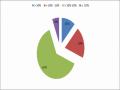
Mainly support for investment in technical infrastructure in key tourist areas and spots of the province from the National Target Program on Culture and Tourism. The total estimated cost is 180,219 billion VND, of which:
- Capital source of the National Target Program on culture: 92,809 billion VND;
- Capital source of the National Target Program on tourism: 87.41 billion VND
b. Provincial budget capital
Investing in upgrading the transport system; electricity, water supply and drainage systems; embellishing the landscape, maintaining existing works; preserving and promoting the value of historical and cultural relics and investing in building material and technical facilities for tourism in key tourist areas; tourism promotion; training and developing human resources.
The total estimated cost is 273,868 billion VND, of which
- Investment capital to upgrade the traffic system is 222,384 billion VND,
- Investment capital for electricity, water supply and drainage systems is 6.3 billion VND;
- Investment capital for maintenance of works, preservation, restoration and promotion of the value of historical - cultural relics and technical facilities is 39.94 billion VND;
- Capital to support tourism promotion is 4,078 billion VND;
- Capital to support human resource training is 1,166 billion VND.
c. Socialized capital
Total estimated cost: 1,405,947 billion VND. Of which:
- Socialized capital for some construction items at Go Thap Relic Site and Tram Chim Ramsar Site: 69,142 billion VND;
- Socialized capital for human resource training (contribution from tourism enterprises): 0.805 billion VND;
- Investment capital for tourism development of projects: 1,336 billion VND