
MINISTRY OF EDUCATION AND TRAINING MINISTRY OF AGRICULTURE AND RURAL DEVELOPMENT
FORESTRY UNIVERSITY
Maybe you are interested!
-
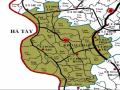
 Research on tourism potential of Khoai Chau district, Hung Yen province - 11
 -
 Research on tourism potential of Khoai Chau district, Hung Yen province - 1
 -
 Research on the potential of Southern Khmer cultural tourism in Tra Vinh - 2
 -
 Research on potential, current situation and proposed solutions for sustainable tourism development in Van Long Wetland Nature Reserve, Ninh Binh province - 13
 -
 Solutions for tourism development in Tien Lang - 10
zt2i3t4l5ee
zt2a3gstourism, tourism development
zt2a3ge
zc2o3n4t5e6n7ts
- District People's Committees and authorities of communes with tourist attractions should support, promote, and provide necessary information to people, helping them improve their knowledge about tourism. Raise tourism awareness for local people.
*
* *
Due to limited knowledge and research time, the thesis inevitably has shortcomings. Therefore, I look forward to receiving guidance from teachers, experts as well as your comments to make the thesis more complete.
Chapter III Conclusion
Through the issues presented in Chapter II, we can come to some conclusions:
Based on the strengths of available tourism resources, the types of tourism in Tien Lang that need to be promoted in the coming time are sightseeing and resort tourism, discovery tourism, weekend tourism. To improve the quality and diversify tourism products, Tien Lang district needs to combine with local cultural tourism resources, at the same time combine with surrounding areas, build rich tourism products. The strengths of Tien Lang tourism are eco-tourism and cultural tourism, so developing Tien Lang tourism must always go hand in hand with restoring and preserving types of cultural tourism resources. Some necessary measures to support and improve the efficiency of exploiting tourism resources in Tien Lang are: strengthening the construction of technical facilities and labor force serving tourism, actively promoting and advertising tourism, and expanding forms of capital mobilization for tourism development.
CONCLUDE
I Conclusion
1. Based on the results achieved within the framework of the thesis's needs, some basic conclusions can be drawn as follows:
Tien Lang is a locality with great potential for tourism development. The relatively abundant cultural tourism resources and ecological tourism resources have great appeal to tourists. Based on this potential, Tien Lang can build a unique tourism industry that is competitive enough with other localities within Hai Phong city and neighboring areas.
In recent years, the exploitation of the advantages of resources to develop tourism and build tourist routes in Tien Lang has not been commensurate with the available potential. In terms of quantity, many resource objects have not been brought into the purpose of tourism development. In terms of time, the regular service time has not been extended to attract more visitors. Infrastructure and technical facilities are still weak. The labor force is still thin and weak in terms of expertise. Tourism programs and routes have not been organized properly, the exploitation content is still monotonous, so it has not attracted many visitors. Although resources have not been mobilized much for tourism development, they are facing the risk of destruction and degradation.
2. Based on the results of investigation, analysis, synthesis, evaluation and selective absorption of research results of related topics, the thesis has proposed a number of necessary solutions to improve the efficiency of exploiting tourism resources in Tien Lang such as: promoting the restoration and conservation of tourism resources, focusing on investment and key exploitation of ecotourism resources, strengthening the construction of infrastructure and tourism workforce. Expanding forms of capital mobilization. In addition, the thesis has built a number of tourist routes of Hai Phong in which Tien Lang tourism resources play an important role.
Exploiting Tien Lang tourism resources for tourism development is currently facing many difficulties. The above measures, if applied synchronously, will likely bring new prospects for the local tourism industry, contributing to making Tien Lang tourism an important economic sector in the district's economic structure.
REFERENCES
1. Nhuan Ha, Trinh Minh Hien, Tran Phuong, Hai Phong - Historical and cultural relics, Hai Phong Publishing House, 1993
2. Hai Phong City History Council, Hai Phong Gazetteer, Hai Phong Publishing House, 1990.
3. Hai Phong City History Council, History of Tien Lang District Party Committee, Hai Phong Publishing House, 1990.
4. Hai Phong City History Council, University of Social Sciences and Humanities, VNU, Hai Phong Place Names Encyclopedia, Hai Phong Publishing House. 2001.
5. Law on Cultural Heritage and documents guiding its implementation, National Political Publishing House, Hanoi, 2003.
6. Tran Duc Thanh, Lecture on Tourism Geography, Faculty of Tourism, University of Social Sciences and Humanities, VNU, 2006
7. Hai Phong Center for Social Sciences and Humanities, Some typical cultural heritages of Hai Phong, Hai Phong Publishing House, 2001
8. Nguyen Ngoc Thao (editor-in-chief, Tourism Geography, Hai Phong Publishing House, two volumes (2001-2002)
9. Nguyen Minh Tue and group of authors, Hai Phong Tourism Geography, Ho Chi Minh City Publishing House, 1997.
10. Nguyen Thanh Son, Hai Phong Tourism Territory Organization, Associate Doctoral Thesis in Geological Geography, Hanoi, 1996.
11. Decision No. 2033/QD – UB on detailed planning of Tien Lang town, Hai Phong city until 2020.
12. Department of Culture, Information, Hai Phong Museum, Hai Phong relics
- National ranked scenic spot, Hai Phong Publishing House, 2005. 13. Tien Lang District People's Committee, Economic Development Planning -
Culture - Society of Tien Lang district to 2010.
14.Website www.HaiPhong.gov.vn
APPENDIX 1
List of national ranked monuments
STT
Name of the monument
Number, year of decisiondetermine
Location
1
Gam Temple
938 VH/QĐ04/08/1992
Cam Khe Village- Toan Thang commune
2
Doc Hau Temple
9381 VH/QĐ04/08/1992
Doc Hau Village –Toan Thang commune
3
Cuu Doi Communal House
3207 VH/QĐDecember 30, 1991
Zone II of townTien Lang
4
Ha Dai Temple
938 VH/QĐ04/08/1992
Ha Dai Village –Tien Thanh commune
APPENDIX II
STT
Name of the monument
Number, year of decision
Location
1
Phu Ke Pagoda Temple
178/QD-UBJanuary 28, 2005
Zone 1 - townTien Lang
2
Trung Lang Temple
178/QD-UBJanuary 28, 2005
Zone 4 – townTien Lang
3
Bao Khanh Pagoda
1900/QD-UBAugust 24, 2006
Nam Tu Village -Kien Thiet commune
4
Bach Da Pagoda
1792/QD-UB11/11/2002
Hung Thang Commune
5
Ngoc Dong Temple
177/QD-UBNovember 27, 2005
Tien Thanh Commune
6
Tomb of Minister TSNhu Van Lan
2848/QD-UBSeptember 19, 2003
Nam Tu Village -Kien Thiet commune
7
Canh Son Stone Temple
2160/QD-UBSeptember 19, 2003
Van Doi Commune –Doan Lap
8
Meiji Temple
2259/QD-UBSeptember 19, 2002
Toan Thang Commune
9
Tien Doi Noi Temple
477/QD-UBSeptember 19, 2005
Doan Lap Commune
10
Tu Doi Temple
177/QD-UBJanuary 28, 2005
Doan Lap Commune
11
Duyen Lao Temple
177/QD-UBJanuary 28, 2005
Tien Minh Commune
12
Dinh Xuan Uc Pagoda
177/QD-UBJanuary 28, 2005
Bac Hung Commune
13
Chu Khe Pagoda
177/QD-UBJanuary 28, 2005
Hung Thang Commune
14
Dong Dinh
2848/QD-UBNovember 21, 2002
Vinh Quang Commune
15
President's Memorial HouseTon Duc Thang
177/QD-UBJanuary 28, 2005
NT Quy Cao
Ha Dai Temple
Ben Vua Temple
Tien Lang hot spring
div.maincontent .p { color: black; font-family:"Times New Roman", serif; font-style: normal; font-weight: normal; text-decoration: none; font-size: 14pt; margin:0pt; } div.maincontent p { color: black; font-family:"Times New Roman", serif; font-style: normal; font-weight: normal; text-decoration: none; font-size: 14pt; margin:0pt; } div.maincontent .s1 { color: black; font-family:"Times New Roman", serif; font-style: normal; font-weight: normal; font-size: 16pt; } div.maincontent .s2 { color: black; font-family:"Times New Roman", serif; font-style: italic; font-weight: bold; text-decoration: none; font-size: 14pt; } div.maincontent .s3 { color: black; font-family:"Times New Roman", serif; font-style: italic; font-weight: normal; text-decoration: none; font-size: 14pt; } div.maincontent .s4 { color: black; font-family:"Times New Roman", serif; font-style: normal; font-weight: normal; font-size: 14pt; } div.maincontent .s5 { color: black; font-family:"Times New Roman", serif; font-style: normal; font-weight: bold; font-size: 14pt; } div.maincontent .s6 { color: black; font-family:"Times New Roman", serif; font-style: normal; font-weight: normal; text-decoration: none; font-size: 14pt; } div.maincontent .s7 { color: black; font-family:"Times New Roman", serif; font-style: normal; font-weight: bold; text-decoration: none; font-size: 14pt; } div.maincontent .s8 { color: black; font-family:"Times New Roman", serif; font-style: normal; font-weight: normal; text-decoration: none; font-size: 9pt; vertical-align: 6pt; } div.maincontent .s9 { color: black; font-family:"Times New Roman", serif; font-style: normal; font-weight: bold; text-decoration: none; font-size: 12pt; } div.maincontent .s11 { color: black; font-family:"Times New Roman", serif; font-style: normal; font-weight: normal; tex
Solutions for tourism development in Tien Lang - 10
zt2i3t4l5ee
zt2a3gstourism, tourism development
zt2a3ge
zc2o3n4t5e6n7ts
- District People's Committees and authorities of communes with tourist attractions should support, promote, and provide necessary information to people, helping them improve their knowledge about tourism. Raise tourism awareness for local people.
*
* *
Due to limited knowledge and research time, the thesis inevitably has shortcomings. Therefore, I look forward to receiving guidance from teachers, experts as well as your comments to make the thesis more complete.
Chapter III Conclusion
Through the issues presented in Chapter II, we can come to some conclusions:
Based on the strengths of available tourism resources, the types of tourism in Tien Lang that need to be promoted in the coming time are sightseeing and resort tourism, discovery tourism, weekend tourism. To improve the quality and diversify tourism products, Tien Lang district needs to combine with local cultural tourism resources, at the same time combine with surrounding areas, build rich tourism products. The strengths of Tien Lang tourism are eco-tourism and cultural tourism, so developing Tien Lang tourism must always go hand in hand with restoring and preserving types of cultural tourism resources. Some necessary measures to support and improve the efficiency of exploiting tourism resources in Tien Lang are: strengthening the construction of technical facilities and labor force serving tourism, actively promoting and advertising tourism, and expanding forms of capital mobilization for tourism development.
CONCLUDE
I Conclusion
1. Based on the results achieved within the framework of the thesis's needs, some basic conclusions can be drawn as follows:
Tien Lang is a locality with great potential for tourism development. The relatively abundant cultural tourism resources and ecological tourism resources have great appeal to tourists. Based on this potential, Tien Lang can build a unique tourism industry that is competitive enough with other localities within Hai Phong city and neighboring areas.
In recent years, the exploitation of the advantages of resources to develop tourism and build tourist routes in Tien Lang has not been commensurate with the available potential. In terms of quantity, many resource objects have not been brought into the purpose of tourism development. In terms of time, the regular service time has not been extended to attract more visitors. Infrastructure and technical facilities are still weak. The labor force is still thin and weak in terms of expertise. Tourism programs and routes have not been organized properly, the exploitation content is still monotonous, so it has not attracted many visitors. Although resources have not been mobilized much for tourism development, they are facing the risk of destruction and degradation.
2. Based on the results of investigation, analysis, synthesis, evaluation and selective absorption of research results of related topics, the thesis has proposed a number of necessary solutions to improve the efficiency of exploiting tourism resources in Tien Lang such as: promoting the restoration and conservation of tourism resources, focusing on investment and key exploitation of ecotourism resources, strengthening the construction of infrastructure and tourism workforce. Expanding forms of capital mobilization. In addition, the thesis has built a number of tourist routes of Hai Phong in which Tien Lang tourism resources play an important role.
Exploiting Tien Lang tourism resources for tourism development is currently facing many difficulties. The above measures, if applied synchronously, will likely bring new prospects for the local tourism industry, contributing to making Tien Lang tourism an important economic sector in the district's economic structure.
REFERENCES
1. Nhuan Ha, Trinh Minh Hien, Tran Phuong, Hai Phong - Historical and cultural relics, Hai Phong Publishing House, 1993
2. Hai Phong City History Council, Hai Phong Gazetteer, Hai Phong Publishing House, 1990.
3. Hai Phong City History Council, History of Tien Lang District Party Committee, Hai Phong Publishing House, 1990.
4. Hai Phong City History Council, University of Social Sciences and Humanities, VNU, Hai Phong Place Names Encyclopedia, Hai Phong Publishing House. 2001.
5. Law on Cultural Heritage and documents guiding its implementation, National Political Publishing House, Hanoi, 2003.
6. Tran Duc Thanh, Lecture on Tourism Geography, Faculty of Tourism, University of Social Sciences and Humanities, VNU, 2006
7. Hai Phong Center for Social Sciences and Humanities, Some typical cultural heritages of Hai Phong, Hai Phong Publishing House, 2001
8. Nguyen Ngoc Thao (editor-in-chief, Tourism Geography, Hai Phong Publishing House, two volumes (2001-2002)
9. Nguyen Minh Tue and group of authors, Hai Phong Tourism Geography, Ho Chi Minh City Publishing House, 1997.
10. Nguyen Thanh Son, Hai Phong Tourism Territory Organization, Associate Doctoral Thesis in Geological Geography, Hanoi, 1996.
11. Decision No. 2033/QD – UB on detailed planning of Tien Lang town, Hai Phong city until 2020.
12. Department of Culture, Information, Hai Phong Museum, Hai Phong relics
- National ranked scenic spot, Hai Phong Publishing House, 2005. 13. Tien Lang District People's Committee, Economic Development Planning -
Culture - Society of Tien Lang district to 2010.
14.Website www.HaiPhong.gov.vn
APPENDIX 1
List of national ranked monuments
STT
Name of the monument
Number, year of decisiondetermine
Location
1
Gam Temple
938 VH/QĐ04/08/1992
Cam Khe Village- Toan Thang commune
2
Doc Hau Temple
9381 VH/QĐ04/08/1992
Doc Hau Village –Toan Thang commune
3
Cuu Doi Communal House
3207 VH/QĐDecember 30, 1991
Zone II of townTien Lang
4
Ha Dai Temple
938 VH/QĐ04/08/1992
Ha Dai Village –Tien Thanh commune
APPENDIX II
STT
Name of the monument
Number, year of decision
Location
1
Phu Ke Pagoda Temple
178/QD-UBJanuary 28, 2005
Zone 1 - townTien Lang
2
Trung Lang Temple
178/QD-UBJanuary 28, 2005
Zone 4 – townTien Lang
3
Bao Khanh Pagoda
1900/QD-UBAugust 24, 2006
Nam Tu Village -Kien Thiet commune
4
Bach Da Pagoda
1792/QD-UB11/11/2002
Hung Thang Commune
5
Ngoc Dong Temple
177/QD-UBNovember 27, 2005
Tien Thanh Commune
6
Tomb of Minister TSNhu Van Lan
2848/QD-UBSeptember 19, 2003
Nam Tu Village -Kien Thiet commune
7
Canh Son Stone Temple
2160/QD-UBSeptember 19, 2003
Van Doi Commune –Doan Lap
8
Meiji Temple
2259/QD-UBSeptember 19, 2002
Toan Thang Commune
9
Tien Doi Noi Temple
477/QD-UBSeptember 19, 2005
Doan Lap Commune
10
Tu Doi Temple
177/QD-UBJanuary 28, 2005
Doan Lap Commune
11
Duyen Lao Temple
177/QD-UBJanuary 28, 2005
Tien Minh Commune
12
Dinh Xuan Uc Pagoda
177/QD-UBJanuary 28, 2005
Bac Hung Commune
13
Chu Khe Pagoda
177/QD-UBJanuary 28, 2005
Hung Thang Commune
14
Dong Dinh
2848/QD-UBNovember 21, 2002
Vinh Quang Commune
15
President's Memorial HouseTon Duc Thang
177/QD-UBJanuary 28, 2005
NT Quy Cao
Ha Dai Temple
Ben Vua Temple
Tien Lang hot spring
div.maincontent .p { color: black; font-family:"Times New Roman", serif; font-style: normal; font-weight: normal; text-decoration: none; font-size: 14pt; margin:0pt; } div.maincontent p { color: black; font-family:"Times New Roman", serif; font-style: normal; font-weight: normal; text-decoration: none; font-size: 14pt; margin:0pt; } div.maincontent .s1 { color: black; font-family:"Times New Roman", serif; font-style: normal; font-weight: normal; font-size: 16pt; } div.maincontent .s2 { color: black; font-family:"Times New Roman", serif; font-style: italic; font-weight: bold; text-decoration: none; font-size: 14pt; } div.maincontent .s3 { color: black; font-family:"Times New Roman", serif; font-style: italic; font-weight: normal; text-decoration: none; font-size: 14pt; } div.maincontent .s4 { color: black; font-family:"Times New Roman", serif; font-style: normal; font-weight: normal; font-size: 14pt; } div.maincontent .s5 { color: black; font-family:"Times New Roman", serif; font-style: normal; font-weight: bold; font-size: 14pt; } div.maincontent .s6 { color: black; font-family:"Times New Roman", serif; font-style: normal; font-weight: normal; text-decoration: none; font-size: 14pt; } div.maincontent .s7 { color: black; font-family:"Times New Roman", serif; font-style: normal; font-weight: bold; text-decoration: none; font-size: 14pt; } div.maincontent .s8 { color: black; font-family:"Times New Roman", serif; font-style: normal; font-weight: normal; text-decoration: none; font-size: 9pt; vertical-align: 6pt; } div.maincontent .s9 { color: black; font-family:"Times New Roman", serif; font-style: normal; font-weight: bold; text-decoration: none; font-size: 12pt; } div.maincontent .s11 { color: black; font-family:"Times New Roman", serif; font-style: normal; font-weight: normal; tex
CAN VAN NGUYEN
RESEARCH ON ASSESSMENT OF TOURISM POTENTIAL WITH FOREST PRODUCTS IN BA VI NATIONAL PARK, BA VI DISTRICT, HANOI CITY
MAJOR: ENVIRONMENTAL SCIENCE CODE: 8440301
MASTER'S THESIS IN ENVIRONMENTAL SCIENCE
SCIENTIFIC INSTRUCTOR: PROFESSOR, DR. VUONG VAN QUYNH
Hanoi, 2019
COMMITMENT
I certify that this is my own research work. The data and results presented in this thesis are true and have never been published in any other research work.
If the content of my research overlaps with any published research, I will take full responsibility and comply with the results of the thesis evaluation of the Scientific Council.
Hanoi, date month year 2019
The pledger
(Author signs and prints full name)
Can Van Nguyen
ACKNOWLEDGEMENTS
To complete the Forestry Master's training program, course 2016 - 2018, with the consent of the Graduate School - Forestry University, I conducted a graduation thesis research: "Research on evaluating tourism potential with forest products at Ba Vi National Park, Ba Vi district, Hanoi city" .
To have this thesis, I would like to express my deep gratitude to the Board of Directors, the teachers in the Faculty of Postgraduate Training, the teachers who directly taught me who created conditions to help and encourage me to complete this thesis. In particular, I would like to express my sincere and deep gratitude to Prof. Dr. Vuong Van Quynh for his dedicated guidance and advice to help me complete this thesis. I would like to sincerely thank Associate Professor Dr. Nguyen Hai Hoa for his guidance and comments to complete the thesis.
I would like to sincerely thank the attention, enthusiastic support and facilitation of the Board of Directors of the agencies and units, officers, comrades, colleagues, friends and relatives who have created all favorable conditions to help me complete this thesis.
Although I have tried my best, due to limitations in many aspects, this thesis is difficult to avoid shortcomings. I look forward to receiving comments and contributions and sincerely accept all comments and contributions.
Thank you very much!
Hanoi, date month year 2019
Student
Can Van Nguyen
INDEX
COMMITMENT i
ACKNOWLEDGEMENTS ii
LIST OF ABBREVIATIONS vi
LIST OF TABLES vii
LIST OF FIGURES ix
PROBLEM STATEMENT 1
Chapter 1. OVERVIEW OF RESEARCH PROBLEM 3
1.1. Overview of ecotourism 3
1.1.1. Concept of ecotourism 3
1.1.2. Concept of tourism resources 4
1.1.3. Characteristics of ecotourism 5
1.1.4. Necessary conditions for developing ecotourism 7
1.1.5. Ecotourism development 8
1.2. Ecotourism in the World 9
1.3. Ecotourism in Vietnam 13
1.4. Ecotourism activities at Ba Vi National Park, Ba Vi district, Hanoi city 15
Chapter 2. OBJECTIVES, CONTENT AND METHODS OF RESEARCH ..21
2.1. Research objectives 21
2.1.1. General Objective 21
2.1.2. Specific objectives 21
2.2. Subject and scope of research topic 21
2.3. Research content 21
2.3.1. Assessment of the potential for exploiting forest resources to serve tourist needs at Ba Vi National Park, Ba Vi District, Hanoi City 21
2.3.2. Assessment of the current status of exploitation of tourism products from forests at Ba Vi National Park, Ba Vi district, Hanoi city 22
2.3.3. Orientation of solutions for sustainable exploitation of forest tourism products in Ba Vi National Park, Hanoi City 22
2.4. Research methods 22
2.4.1. Approach 22
2.4.2. Data collection and processing methods 24
Chapter 3. RESEARCH RESULTS AND DISCUSSION 27
3.1. Assessment of the potential for exploiting forest resources to serve tourist needs at Ba Vi National Park, Ba Vi district, Hanoi city 27
3.1.1. Characteristics of the ecosystem of Ba Vi National Park, Ba Vi district, Hanoi city 27
3.1.2. Potential for exploiting animal and plant species as food - medicine - raw materials for handicrafts 28
3.1.3. Human potential for tourism development in Ba Vi National Park 50
3.1.4. Tourism potential from community tourism products 52
3.1.5. Potential for exploiting forest landscapes to satisfy the need for enjoyment53
3.1.6. Potential for exploiting relevant indigenous knowledge to satisfy the need for forestry experience 56
3.2. Assessment of the current status of exploitation of tourism products from forests 57
3.2.1. Purpose of tourists coming to Ba Vi National Park 57
3.2.2. Assessment of tourist satisfaction with tourism activities at Ba Vi National Park - Hanoi 60
3.2.3. Ecotourism activities at Ba Vi National Park 62
3.2.4 Guiding principles for tourism activities in Ba Vi National Park 65
3.2.5. Advantages in tourism development and sustainable exploitation of forest products 69
3.2.6. Difficulties in tourism development and sustainable exploitation of forest products 72
3.3. Orientation of solutions for sustainable exploitation of tourism products from forests... 75
3.3.1. Solutions to build policy mechanisms and organize the completion of the management apparatus 75
3.3.2. Improve the construction of infrastructure and technical facilities serving tourism ... 76
3.3.3. Solutions to conserve resources, ensure economic and social benefits for the community 77
3.3.4. Solutions for conservation of wild animals, plants and ecological landscapes 78
3.3.5. Solutions for market research, marketing and promotion of tourism image and tourism products at Ba Vi National Park 79
3.3.6. Human resource solutions 80
3.3.7. Solutions to improve the quality of products and tourism programs of Ba Vi National Park 84
3.3.8. Propaganda solutions to raise awareness and encourage community participation 86
CONCLUSION, PROBLEMS AND RECOMMENDATIONS 88
REFERENCES APPENDIX
LIST OF ABBREVIATIONS
Abbreviation Abbreviation Meaning
Management Board
Biodiversity Biodiversity
DLST Ecotourism
IUCN World Conservation Union
KBT Conservation Area
People's Committee People's Committee
UNWTO World Tourism Organization
National Park National Park
LIST OF TABLES
Table 1.1. Statistics of the number of tourists visiting Ba Vi National Park from 2012 - 2017 17
Table 3.1. List of some forest food plant species in Ba Vi National Park ...30 Table 3.2. Average yield of forest food species per hectare per year (kg/ha/year) 33
Table 3.3. Food value from forest ecosystems serving tourism (1000 VND/ha/year) 34
Table 3.4. The most exploited medicinal plant species in Ba Vi National Park36 Table 3.5. Average yield of medicinal plants and handicraft materials (kg/ha/year) 40
Table 3.6. Value of medicinal herbs and handicraft materials (1000 VND/ha/year)41 Table 3.7. Average consumption of products by tourists 42
(Kg/person) 42
Table 3.8. Average consumption by tourists for each interview group (kg/person) 43
Table 3.9. Average forest product consumption per person 43
Table 3.10. Number of tourists whose food needs are met from the forest 44
Table 3.11 List of some animal species providing forest food in Ba Vi National Park 46
Table 3.12. Average yield of animal foods per hectare per year (kg/ha/year) 47
Table 3.13. Average value of food from wild animals for tourism (1000 VND/ha/year) 47
Table 3.14. Average consumption of forest animal products by tourists (Kg/person) 48