
If there are results of the determination, they must be managed as hazardous waste (packaging contaminated with hazardous components, sludge from wastewater treatment systems, fly ash, ash from industrial waste incinerators, rags contaminated with hazardous components, etc.).
- Group two stars “**”: Naturally defined as hazardous waste, no need for classification results such as: waste oil, waste batteries, chemicals, paint residue, printing ink, oil-contaminated water,.... [6]
1.1.1.2. Hazardous waste from industrial activities
According to the Law on Environmental Protection 2005, waste is solid, liquid, gaseous matter discharged from production, business, services, daily life or other activities. A block of waste is called hazardous waste when it contains at least one of the following elements: toxic, radioactive, flammable, explosive, corrosive, infectious, toxic or other hazardous properties. From the above concept, we can see that: Industrial hazardous waste is waste generated from industrial production areas containing at least one of the following elements: toxic, radioactive, flammable, explosive, corrosive, infectious, toxic, etc. [6].
Maybe you are interested!
-

 Classification of Wood Processing Enterprises by Economic Sector
 -
 Applying some statistical methods to study the situation of income distribution in enterprises in the Vietnamese industrial sector - 23
 -
 Financial activities of industrial enterprises on the stock market in Vietnam - 1
 -
 Number of Employees in Enterprises in the Industrial Zone in Hue City
 -
 Financial performance of industrial enterprises on the stock market in Vietnam - 16
According to the provisions of Circular No. 12/2011/TT-BTNMT dated April 14, 2011 of the Ministry of Natural Resources and Environment on promulgating regulations on hazardous waste management, a block of waste is only called hazardous waste when it is on the list issued with this Circular, so we can fully understand: Industrial hazardous waste is waste generated from production and service business organizations, on the list of hazardous waste or containing at least one of the hazardous elements as prescribed by law [4].
Within the scope of the thesis, the author focuses on studying industrial hazardous waste, which is also the scope and objective of the study to propose a perfect model for effective management of industrial hazardous waste.
1.1.2. Classification of hazardous wastes and hazardous wastes of industrial activities
The purpose of classifying hazardous waste is to enhance information related to hazardous waste. Depending on the purpose and requirements for using specific information, there are different ways of classifying:
1.1.2.1. General classification system
This is a classification system for professionals to ensure uniformity in statutory categories and terminology.
This classification system is based on the List specifically defined in the issued legal documents and the characteristics of hazardous waste specifically regulated in the Basel Convention on Transboundary Movement of Hazardous Waste and the Regulations on Management of Hazardous Waste of Vietnam.
The application of a classification system according to the characteristics of hazardous waste or according to the list aims to ensure that the classification, storage and transportation of hazardous waste are absolutely safe, limiting interactions caused by hazardous waste: fire, explosion, corrosion, chemical reactions, etc. In addition, each type of hazardous waste has a treatment method suitable for its own characteristics, so this classification also helps to make the treatment of hazardous waste convenient, fast, thorough and save maximum treatment costs.
1.1.2.2. Classification by law
Statutory classification is a classification system specifically prescribed in legal documents of Vietnam and international conventions to which Vietnam is a party.
- According to the Basel Convention: Based on 20 sources of hazardous waste (from Y1 - Y18, Y46, Y47) and according to 27 components contained in hazardous waste (from Y19 - Y45) - Appendix I and II. Appendix III classifies hazardous waste according to the characteristics of hazardous waste into the following 10 groups: (1) Explosive materials/waste; (2) Flammable materials/waste; (3) Materials/waste that are fuel for combustion - Organic peroxide; (4) Materials/waste with acute toxicity; (5) Materials/waste that cause the spread of epidemics; (6) Corrosive materials/waste; (7) Materials/waste that release toxic gases when in contact with air and water; (8) Materials/waste that can cause harm to humans; (9) Materials/waste that can cause harm to the ecosystem; (10) Materials/waste after destruction may generate products containing one of the above characteristics [21].
- According to the Regulation on Management of Hazardous Waste issued with Circular No. 12/2011/TT-BTNMT dated April 14, 2011 of the Ministry of Natural Resources and Environment, the classification is also divided into two main groups: Classification by characteristics including seven groups and classification by source and main waste stream including 19 groups.
In addition, there is a classification system for management: This classification system aims to ensure that hazardous waste is strictly controlled from the source, the transportation process to the final treatment and disposal site. This classification system consists of 02 component systems: (1) Classification system by source; (2) Classification system by characteristics of hazardous waste [4].
1.1.3. Properties and composition of industrial hazardous waste
1.1.3.1. Properties of CTNH
Waste is classified as hazardous waste when it has at least one of the following properties:
- Flammable : Flammable liquids are liquids, liquid mixtures or liquids containing dissolved or suspended solids with a flash point not exceeding 55 0 C; flammable solid waste: are solids that are likely to readily catch fire or ignite due to friction under transport conditions; waste that is likely to spontaneously combust is a solid or liquid that can spontaneously heat up under normal transport conditions, or spontaneously heat up due to contact with air and is likely to catch fire. Flammability will cause fires, burns, air and water pollution.
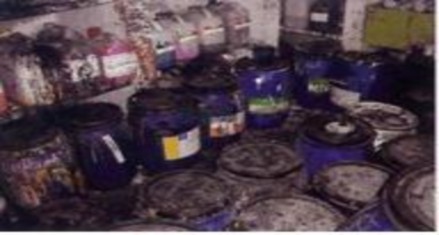
Figure 1.1. Industrial hazardous waste
- Explosive : Solid or liquid wastes can explode as a result of chemical reactions when exposed to fire or due to impact, friction will create gases at temperatures, pressures and speeds that cause damage to the surrounding environment. Because they are explosive, they can cause skin damage, burns and even death; destroy structures and
even deadly.
- Corrosive : Wastes that, through chemical reactions, will cause serious damage to living tissue upon contact, or in the case of leakage, will destroy materials, goods and means of transport. Usually these are substances or mixtures of substances that are strongly acidic (pH less than or equal to 2), or strongly alkaline (pH greater than or equal to 12.5).

Figure 1.2. Hazardous waste generated from agriculture
- Oxidation : Wastes that can undergo strong exothermic oxidation reactions when in contact with other substances can cause or contribute to the combustion of those substances. Oxidation can cause fires and explosions, and contaminate water and air sources.
- Infectious : Waste containing microorganisms or toxins known to cause disease in humans and animals.
- Toxicity includes: Acute toxicity is waste that can cause death, serious injury or harm to health through ingestion, inhalation or through the skin. Delayed or chronic toxicity is waste that can cause slow or chronic effects, including cancer, through ingestion, inhalation or lack of safety measures when exposed to the skin. Gaseous toxicity is waste containing components that when exposed to air or water will release gas.
toxic, dangerous to humans and creatures, especially serious water pollution.
- Ecotoxicity : Wastes that can cause immediate or delayed harm to the environment, through bioaccumulation or through effects on living systems.
- Easily infectious: If waste is not strictly managed and safety is not ensured in collection, storage, transportation and treatment, risks and incidents will cause very serious consequences, affecting the living environment and public health. Depending on the characteristics and nature of the waste, when discharged into the environment, it will cause different impacts and spread diseases [4].
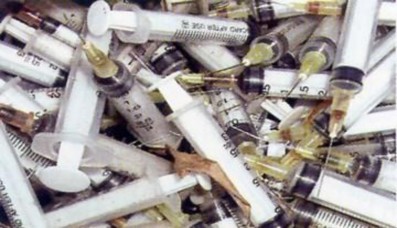
Figure 1.3. Hazardous wastes arising from healthcare
1.1.3.2. Components of industrial hazardous waste:
- Organic solvents;
- Corrosive waste;
- Waste paint residue;
- Waste containing oxidizing substances;
- Used catalyst;
- Waste oil;
- Waste contaminated with hazardous ingredients (packaging contaminated with grease, chemicals, printing ink, etc.);
- Sludge containing heavy metals;
- Waste fluorescent lamps, waste batteries, etc.
- Toxic waste: acid, cyanide, aniline,… [4]
1.1.4. Effects/harms of industrial hazardous waste
1.1.4.1. Environmental impact
According to the investigation results of the Institute of Environmental Health under the Institute of Environmental Technology and the Center for Consulting and Technology Transfer under the General Department of Environment, the basic environmental impacts are related to the improper burial of hazardous wastes or the emission of hazardous components into the environment due to evaporation, spreading through water or seeping into the ground. Surface water pollution leads to soil and air pollution.
Hazardous waste is buried in unsanitary landfills, leaks cause pollution of soil, surface water and groundwater, from here, hazardous components in water are dispersed through surface flow, underground flow can easily spread quickly, causing pollution of water environment in a large area.
When hazardous waste is discharged directly into the soil environment, it unintentionally destroys the ecosystem of the waste disposal area. Burying and storing hazardous waste is a necessary task at hazardous waste management plants or sometimes at the place where hazardous waste is generated, see Figure 1.4 below.
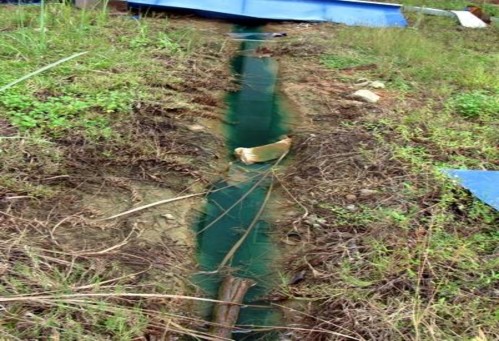
Figure 1.4. Soil environment exposed to industrial hazardous waste
However, if hazardous waste is not properly buried, it is associated with potential impacts on surface water and groundwater. In some inspected companies, due to incomplete identification of hazardous waste types, inadequate covering, and inadequate collection, the possibility of leakage of hazardous components into the lower soil layer and groundwater contamination can be considered a long-term risk, which can create risks to the groundwater environment.
Pollution caused by hazardous waste (waste oil) that is not collected and managed properly can be clearly seen at mechanical manufacturing facilities, auto and motorbike repair services, electromechanical workshops of enterprises, etc.
There are cases of very serious air pollution due to poor management of hazardous waste; solvents and chemicals are not stored in sealed containers or packaging containing hazardous ingredients is kept for too long in the production area causing evaporation; asbestos cement roofing sheet production facilities discharge hundreds of tons of sludge in the facility, generating dust that pollutes the air without any control measures leading to the spread of hazardous dust to the surrounding area,... for details see Figure 1.5.
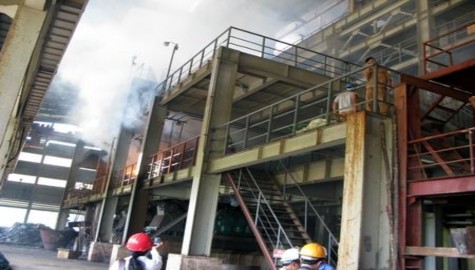
Figure 1.5. An area with polluted air environment
1.1.4.2. Harmful effects on human health
Hazardous substances affect humans through contact of waste with the environment and humans. Hazardous substances are released into the environment and humans operating in that environment are exposed to hazardous substances. For example, humans use packaging contaminated with hazardous substances (typically chemical waste containers) for domestic purposes. In Vietnam, surface water and groundwater are often used as drinking water, domestic water, agricultural water and aquaculture water. Any pollution of water sources can affect the health of local people. According to research results of the Institute of Occupational Medicine and Environmental Hygiene, hazardous substances affect health through the respiratory tract, through the skin due to frequent contact with polluted environments; toxic substances enter the body through consumption of contaminated food or through the use of unclean kitchen utensils that contaminate food, through eating or smoking, etc.
Because hazardous waste is flammable, explosive, highly chemically active, and corrosive, it directly affects human life, causing burns, blisters, blindness, etc.; at the same time, when the burning and explosion process occurs, many other secondary toxic substances are also generated, causing suffocation due to loss of oxygen, which can lead to death. In addition, hazardous waste also destroys materials quickly, penetrates objects, and indirectly affects human safety and health. Hazardous substances cause damage to organs in the body, irritation, allergies, acute and chronic toxicity, can cause gene mutations, infections, cell dysfunction, etc., leading to serious effects, causing epidemics, causing cancer in humans and animals, affecting heredity, reducing the quality of offspring and health, see Figure 1.6 below.